Santa Barbara County California Fairgrounds Events
Santa Barbara County Fairgrounds is located in Santa Maria, in the northern part of Santa Barbara County, California. The venue is best known for hosting the Santa Barbara County Fair, an annual summer gathering that brings together livestock exhibitors, agricultural organizations, local businesses, families, and visitors from across the Central Coast.
The fairgrounds serve a wider purpose than the annual fair. The property accommodates exhibitions, equestrian activities, community gatherings, commercial events, and other public programs throughout the year. For visitors, that means the calendar can include agricultural competitions, entertainment, vendor displays, and events organized by outside promoters.
The fair is particularly relevant to residents of Santa Maria, Orcutt, Lompoc, Guadalupe, and surrounding agricultural communities. While southern Santa Barbara County is often associated with coastal tourism and wine country, the Santa Maria Valley has a strong agricultural identity shaped by farming, ranching, and related industries. The county fair provides a place where that working landscape meets family entertainment and youth education.
Anyone planning a visit should distinguish between the annual fair schedule and the fairgrounds’ year-round event calendar. Admission, parking, operating hours, and permitted activities vary by event, so the specific event announcement is the most useful planning reference.
Overview of Santa Barbara County Fairgrounds
Location and address

The Santa Barbara County Fairgrounds is at 937 South Thornburg Street, Santa Maria, CA 93458. It is in northern Santa Barbara County, within the Santa Maria urban area and accessible from the US-101 corridor.
Santa Maria is a practical base for fair visitors arriving from other parts of the county. The city is north of the communities of Lompoc and Goleta, while visitors from the southern county generally travel through the US-101 corridor to reach the fairgrounds.
The grounds contain exhibition buildings, livestock facilities, outdoor event areas, and spaces for vendors and public gatherings. Exact building availability, event capacities, and access arrangements depend on the facility booked for a particular event.
Who operates the fairgrounds?
The property is associated with the Santa Barbara County Fair Board, which oversees the annual fair and the fairgrounds’ public-facing operations. The fair’s administration coordinates event programming, exhibitor participation, vendor arrangements, and the facilities needed for the annual exhibition.
Youth agricultural programs also involve local 4-H and FFA organizations, with program requirements established by the relevant fair departments and participating groups. Exhibitors should follow the current fair rules rather than assume that the procedures used by other California county fairs also apply in Santa Barbara County.
Agricultural and community significance
Santa Maria’s agricultural surroundings give the fair a distinctive local context. Farming, livestock production, horticulture, and youth agricultural education have long been part of the region’s community life.
The county fair brings those activities together with rides, food vendors, entertainment, creative competitions, and commercial displays. For young people, the livestock and project exhibits provide opportunities to develop practical skills. For local businesses, the event offers a setting to meet customers from across the Central Coast.
Upcoming Events at Santa Barbara County Fairgrounds

Types of events throughout the year
The Santa Barbara County Fair is the best-known event at the venue, but the calendar can extend beyond fair week. Depending on the year and confirmed bookings, the grounds may accommodate:
- Livestock exhibitions, youth agricultural activities, and horse-related events.
- Commercial vendor displays, consumer shows, and specialty exhibitions.
- Community celebrations, fundraisers, and educational programs.
- Outdoor entertainment, concerts, and family-oriented attractions.
- Private events and gatherings arranged through facility rental agreements.
These categories describe the kinds of activities associated with the venue and fairground operations; they do not establish that every event returns annually. Rodeos, demolition derbies, tractor pulls, gun shows, flea markets, and motorsports events should be treated as unconfirmed unless they appear in the current schedule.
Seasonal patterns
Summer is the key period for the Santa Barbara County Fair, when livestock competitions, youth exhibits, entertainment, and carnival attractions come together. Other months may feature individual exhibitions, horse events, community functions, or commercial bookings.
The exact number and type of off-season events depend on organizer demand and facility availability. Visitors looking for upcoming events in Santa Barbara County should check the fairgrounds’ current calendar rather than assume that a past event will be repeated.
Facility rentals and private events
The fairgrounds provide facilities for organized events beyond the annual fair. Businesses, community groups, and event organizers can inquire about suitable buildings and outdoor areas for exhibitions, meetings, public gatherings, and other approved uses.
Rental applicants should confirm availability, rates, insurance requirements, equipment access, setup and cleanup times, and any restrictions on food service or amplified sound with fairgrounds management.
The Santa Barbara County Fair Itself
Fair dates and annual schedule
The Santa Barbara County Fair takes place at Santa Maria Fairpark in July. The 2026 fair ran July 3–5 and July 8–12, with the grounds closed to the public on July 6 and 7. The 2027 dates have not yet been confirmed in the available public schedule, so visitors should not assume the same dates or format will return.
The 2026 edition used an extended, two-weekend format rather than the five-day run that had been typical for more than 25 years. Its organizers also introduced changes to the layout, carnival, vendor spaces, and parking arrangements. The 2027 schedule may differ again.
Livestock, youth projects, and creative exhibits
The fair’s livestock program is a major part of its agricultural identity. Its published exhibitor materials include large-animal competitions and rules for market animals, with categories such as beef cattle, swine, sheep, and goats. Small-animal and other youth exhibits are also part of the fair’s competitive program, subject to the current guidebook.
Other competitive entries may include artwork, photography, crafts, flowers, baking, and home arts. The official exhibitor guide establishes the exact classes, eligibility requirements, deadlines, and judging arrangements for each year.
Livestock exhibitors should pay particular attention to animal identification, weight requirements, health documentation, arrival times, and auction eligibility. These rules are specific to the fair and can change from one season to the next.
Carnival rides, food, and entertainment

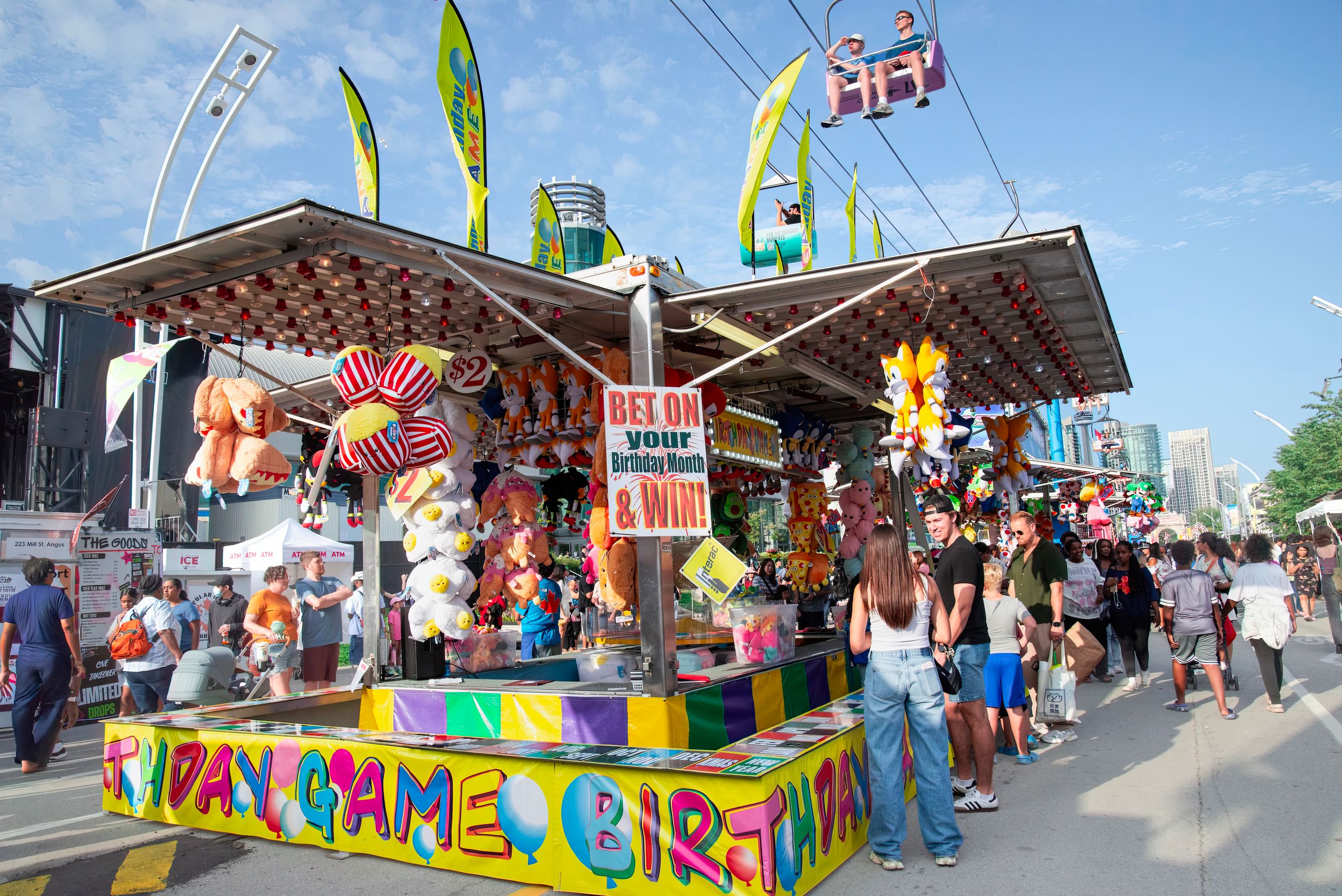
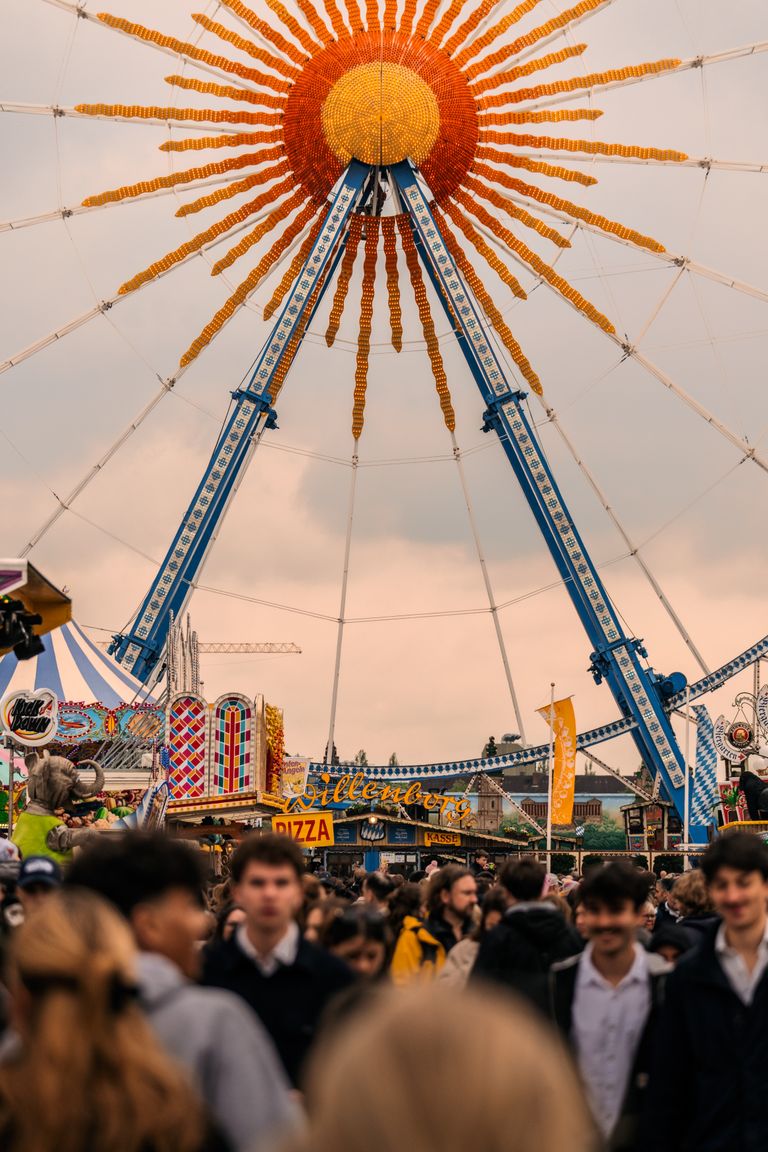
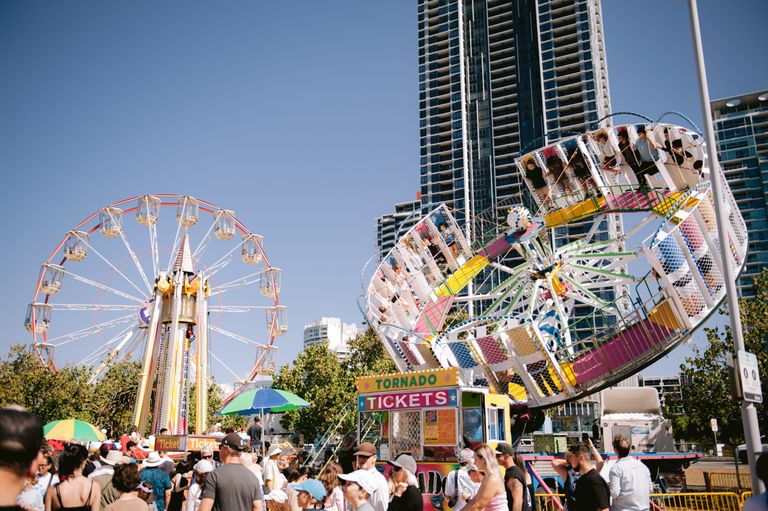
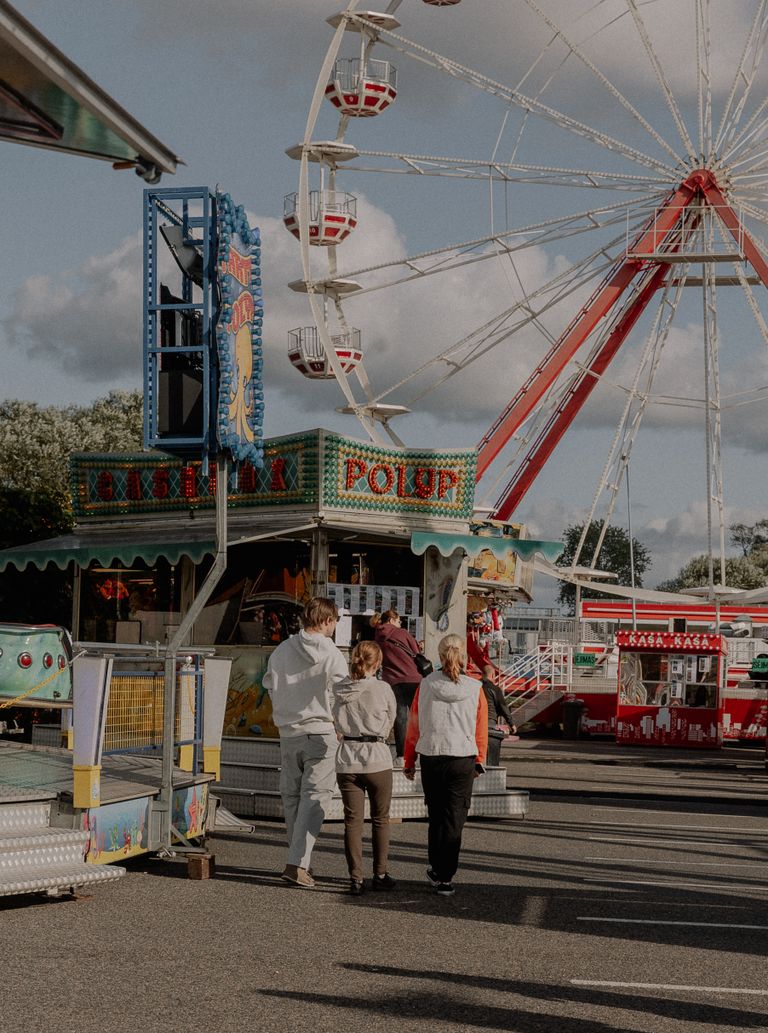
The fair’s carnival midway, food concessions, vendor booths, and entertainment are among its main public attractions. The 2026 edition included an expanded carnival and a revised fair layout. Ride packages and promotional admission offers were available for selected dates.
Fair food typically includes familiar midway favorites, while individual vendors determine the menu and prices. The current vendor list is the best way to establish which food stands, specialty items, and local businesses will participate in a future fair.
Concerts and other entertainment are announced as part of the fair program. Visitors should check whether a concert is included with fair admission or requires a separate ticket. Seating policies, VIP upgrades, and ride wristbands can also differ by event or date.
Admission and parking
The 2026 fair’s published ticket information listed $10 parking. It also advertised a special opening-day admission and unlimited-rides promotion for July 3, 2026. These were specific to that year’s event and should not be treated as 2027 prices.
Future admission rates, senior or child discounts, season passes, free-entry policies, and parking fees should be confirmed once the next ticket schedule is released.
Visitors interested in Santa Barbara County California Fairgrounds Events can also explore community activities through San Mateo County California Fairgrounds Events. Both counties provide opportunities to discover local traditions, enjoy seasonal celebrations, and experience community gatherings across California.
Facilities and Grounds
Exhibition halls, livestock areas, and outdoor spaces
Santa Maria Fairpark combines exhibition and event areas with livestock facilities and open space for the carnival and outdoor activities. Buildings and pens are allocated according to the fair’s program, and the layout can change when organizers add attractions or reorganize vendor areas.
Livestock exhibitors should use the designated load-in instructions rather than the general public entrance. Vehicle access, trailer parking, animal unloading, and movement around livestock areas are controlled by the event’s operating rules.
Grandstand and event space
The fair uses its entertainment areas for concerts and other scheduled performances. The available seating arrangement depends on the act and event format. A verified seating capacity was not established for this guide, so visitors needing particular seating arrangements should check the event’s published details.
Commercial vendors can apply for designated indoor or outdoor spaces, subject to acceptance and availability. Booth size, location, setup hours, electrical needs, and permitted products are governed by the rental agreement.
Parking, accessibility, and amenities
Parking arrangements can change between fair years. The 2026 fair included changes to the layout and use of parking areas, so visitors should follow the instructions issued with their ticket or event announcement.
People who need accessible parking, step-free access, or other accommodations should contact fair administration before arriving. The availability of accessible routes, restrooms, seating, and other amenities may vary by location and event setup.
Do not assume that camping, overnight RV parking, or public access to livestock barns is included with admission. Ask fair administration about RV permissions, facility use, and any special requirements before making travel arrangements.
Vendor and Exhibitor Information
How to apply for a commercial booth
Santa Barbara County Fair accepts applications for commercial merchandise and food concessions. The 2026 commercial application required a non-refundable $25 application fee per booth, completed application forms, photographs of the proposed booth, and a product or menu list.
For that edition, the published application deadline was May 31, 2026. The fee, deadline, and space rates are historical details; vendors should wait for the next year’s application package before budgeting or submitting payment.
The fair may select which products a vendor can sell and where the booth is located. Acceptance is not guaranteed simply because an application has been submitted. Vendors should also confirm insurance, food permits, payment processing, power requirements, and whether they must supply their own internet connection.
Entering livestock and other competitive exhibits
The fair publishes an exhibitor guidebook, livestock entry information, schedules, and other materials to explain how to participate. Youth and independent exhibitors should review the appropriate rules before acquiring an animal or preparing an entry.
For livestock questions, the fair’s published 2026 materials identified a livestock superintendent and an entries office manager. Contact details and staff assignments should be reconfirmed for the next season.
Fair office contact
For general questions about the fair, facilities, and vendor opportunities, contact Santa Maria Fairpark at (805) 925-8824 or email [email protected]. The office is located at 937 South Thornburg Street, Santa Maria, California.
Getting to Santa Barbara County Fairgrounds
Driving directions from nearby communities
Santa Maria Fairpark is in Santa Maria, in the northern portion of Santa Barbara County.
- From downtown Santa Maria: Head toward South Thornburg Street and follow event signage to the fairgrounds at 937 South Thornburg Street.
- From Lompoc: Travel north toward Santa Maria using the available regional routes and follow local directions to the fairpark.
- From Santa Barbara and Goleta: US-101 north is the main regional route toward Santa Maria. Allow extra time for traffic, especially during holiday weekends.
- From San Luis Obispo: Take US-101 south toward Santa Maria, then follow the designated approach to the fairgrounds.
US-101 is the principal highway connecting Santa Maria with the wider Central Coast. Local traffic, parking queues, and event-specific entrance changes can affect arrival times during fair week.
Public transportation and rideshare
Visitors without a car can investigate Santa Maria Regional Transit services and regional connections serving Santa Maria. Confirm routes, service hours, and return trips before traveling, because public transit schedules may not align with late-night entertainment.
Rideshare users should follow the pickup and drop-off instructions provided for their specific event. During the fair, temporary traffic controls may change the most convenient approach to the entrance.
4-H and FFA at Santa Barbara County Fairgrounds
Youth agricultural programs
The Santa Barbara County Fair gives young exhibitors a place to demonstrate livestock care, animal husbandry, showmanship, and other practical skills. Local 4-H clubs and FFA chapters can provide routes into agricultural education and competitive projects.
Participants should contact their club leaders, agricultural education teachers, or the fair’s entries office to establish eligibility and registration requirements. Club membership, project supervision, record books, and animal identification may all be relevant to a livestock entry.
Junior livestock auction
The fair’s livestock program includes a market-animal sale process governed by its exhibitor rules. Eligible youth exhibitors present animals according to the published sale order, while registered buyers can bid under the auction’s procedures.
The fair’s 2026 guidebook includes detailed requirements for animal weighing, seller eligibility, documentation, and sale order. Buyers should obtain the current livestock buyers guide to understand bidding, payment, processing arrangements, and any applicable fees.
The number of participating 4-H clubs, active FFA chapters, and eligible exhibitors can vary by year. These figures should be obtained from the relevant local organizations rather than estimated.
Special Events Beyond the Annual Fair

Strawberry Festival and community events
Santa Maria Fairpark is also associated with the Santa Maria Valley Strawberry Festival, a separate event traditionally held in spring. Its dates and format should be checked independently from the county fair schedule.
The venue’s year-round use can include car shows, concerts, private parties, commercial exhibitions, and community events. These bookings make the fairpark relevant even outside July.
Horse shows, rodeos, and other attractions
Equestrian and livestock-related activities fit the agricultural character of the Santa Maria Valley, but the presence of a permanent fairground does not mean every rodeo, horse show, tractor pull, demolition derby, or motorsports event is held there annually.
Likewise, gun shows, flea markets, swap meets, and holiday festivals should be treated as individual bookings rather than guaranteed recurring attractions. Check the event listing before traveling or purchasing tickets.
History of Santa Barbara County Fairgrounds
The fair’s agricultural roots
The Santa Barbara County Fair developed as a public showcase for the region’s agriculture, livestock, local products, and community organizations. Santa Maria became the fair’s home, linking the annual event to the farming and ranching communities of the northern county.
Over time, the fair grew beyond agricultural displays to include carnival rides, concerts, commercial vendors, and broader family entertainment. Livestock competitions and youth exhibits continue to preserve its agricultural role.
Changes to the modern fair
The 2026 edition marked a notable change in scheduling: the fair operated across two weekends, July 3–5 and July 8–12, rather than following the five-day format used for many years. Organizers also changed the layout and expanded the carnival.
That recent change illustrates why historical dates should not be used as a substitute for the next year’s announcement. The fair has evolved to accommodate changing attendance patterns, entertainment options, and operational needs.
For historical attendance records, past cancellations, and the reasons behind individual schedule changes, consult fair records or local reporting rather than repeating unverified claims.
Frequently Asked Questions
When is the Santa Barbara County Fair in 2026–2027?
The 2026 Santa Barbara County Fair ran July 3–5 and July 8–12, closing July 6 and 7. The 2027 dates have not been confirmed in the available schedule.
What time does Santa Barbara County Fairgrounds open?
Opening times depend on the event and the day’s program. Check the current fair schedule or your event ticket for gate opening, livestock access, and entertainment times.
Is there camping at Santa Barbara County Fairgrounds?
Overnight camping and RV availability should be confirmed with Santa Maria Fairpark administration. Do not assume that general fair parking includes an overnight stay.
How do I enter livestock in the Santa Barbara County Fair?
Review the current livestock guidebook and entry instructions. These explain registration, animal identification, weight requirements, health documentation, arrival times, judging, and auction eligibility.
Are dogs allowed at Santa Barbara County Fairgrounds?
Check the current fair’s animal and visitor policies before bringing a pet. Service animals and ordinary pets may be subject to different rules.
Where do I park at Santa Barbara County Fairgrounds?
The fairgrounds are at 937 South Thornburg Street in Santa Maria. Follow the parking instructions issued for your event because entrances and parking arrangements can change during fair week.
Who do I contact to rent Santa Barbara County Fairgrounds?
Contact Santa Maria Fairpark at (805) 925-8824 or [email protected] to ask about event rentals, availability, and facility requirements.
How much does it cost to get into the Santa Barbara County Fair?
Admission prices depend on the year and ticket type. The 2026 ticket program included separate admission and carnival offers; 2027 prices should be confirmed when the next ticket schedule is announced.
Does the Santa Barbara County Fair have carnival rides?
Yes. Carnival rides and midway attractions were part of the 2026 fair. Ride wristbands, promotions, and operating hours depend on the current year’s program.
Can I sell products at the Santa Barbara County Fair?
Yes. Commercial vendors can apply for booth space through the fair’s vendor application process. Applications may require a fee, product photographs, a merchandise or menu list, and other documentation.
Where is the Santa Barbara County Fair held?
The Santa Barbara County Fair is held at Santa Maria Fairpark, 937 South Thornburg Street, Santa Maria, California 93458, in northern Santa Barbara County.
One Comment