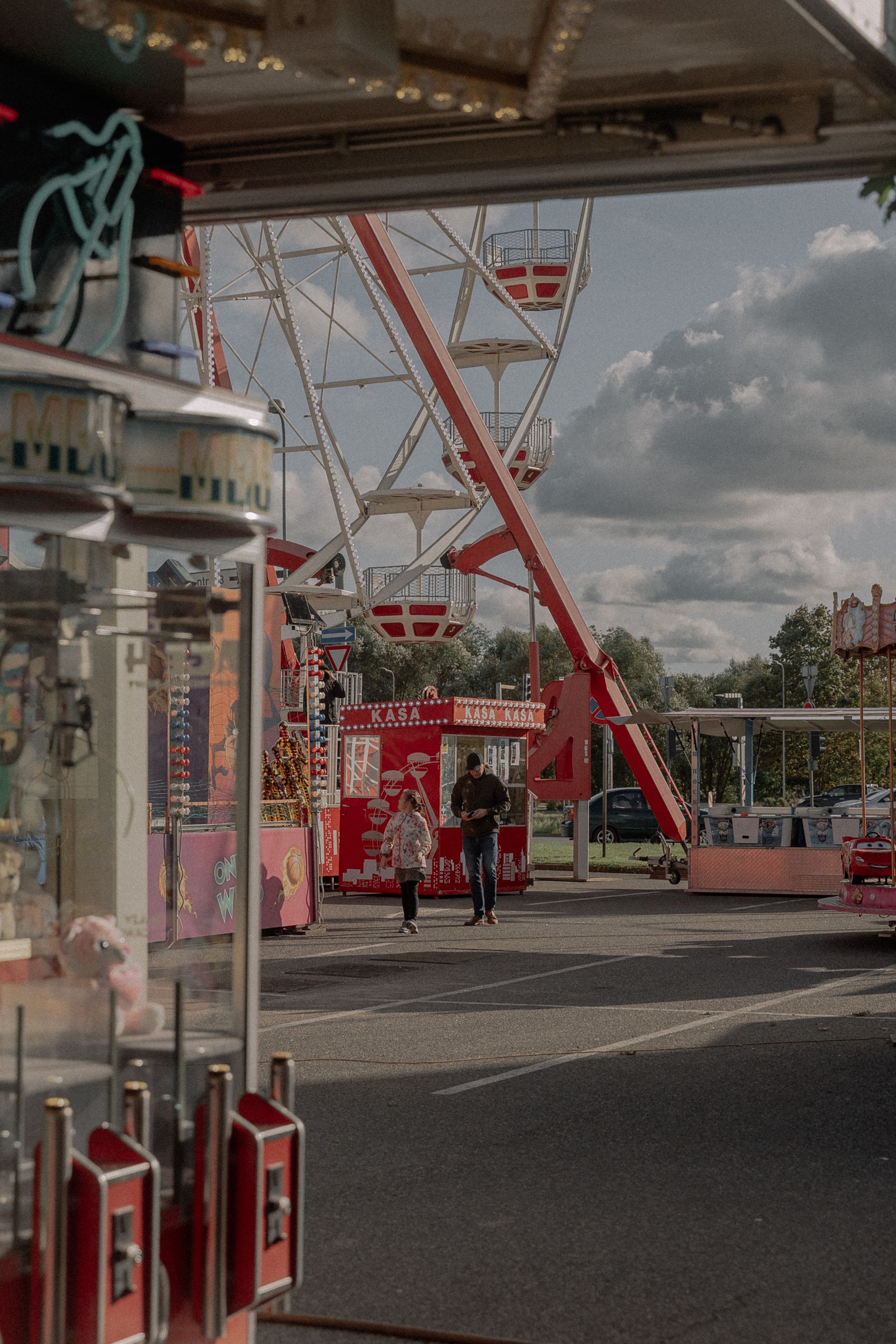
Story County Iowa Fairgrounds Events
Story County Fairgrounds in Nevada, Iowa, is a gathering place for agricultural exhibitions, youth competitions, livestock shows, and community events throughout the year. Located in the county seat of Nevada, the fairgrounds serve residents from Ames, Gilbert, Huxley, Roland, Story City, and other communities across central Iowa.
The fairgrounds’ listed address is 90 I Avenue, Nevada, IA 50201. Some event listings identify the grounds using nearby H Avenue or G Avenue addresses, so visitors should confirm the destination and entrance for their particular event before driving.
The main annual event is the Story County 4-H Fair, also commonly referred to as the Story County Fair or Story County Youth Fair. Its emphasis on youth development, livestock exhibitions, and practical agricultural education reflects the importance of farming and 4-H programs in Story County.
The property includes livestock barns, arenas, exhibition and meeting spaces, and facilities for community gatherings. Its buildings serve purposes beyond the summer fair, allowing local organizations, exhibitors, families, and event organizers to use the grounds throughout the year.
The Story County Fair Association oversees fairground operations, with a fair board responsible for organizational decisions and property management. Iowa State University Extension and Outreach in Story County plays an important role in 4-H education and youth fair participation.
Upcoming Events at Story County Fairgrounds
Story County Fairgrounds hosts the annual summer fair as well as other scheduled activities. The types of events held at the property depend on organizer bookings, seasonal requirements, and the availability of individual buildings.
Annual fair and agricultural events
The principal recurring activities include:
- 4-H livestock exhibitions and judging.
- Youth agricultural education and project displays.
- Horse shows and other arena-based activities.
- Community gatherings and agricultural events.
- Special programs and meetings organized by local groups.
- Private functions and celebrations in rentable buildings.
The grounds’ arena is suitable for rodeos, horse shows, livestock exhibitions, and selected community events. However, individual activities should not be assumed to take place every year without confirmation from the event organizer.
Seasonal event patterns
Summer is the busiest period because the county fair brings livestock exhibitors, families, volunteers, food vendors, and visitors to Nevada. Other activities can occur during spring, autumn, and winter, depending on bookings and facility availability.
The official fairgrounds event calendar is the most useful place to check upcoming events in Story County. Visitors should look for the event’s date, opening time, building location, admission rules, and parking instructions rather than relying solely on an older calendar listing.
Facility rentals and private events
The grounds are available for selected private and community functions. Weddings, receptions, reunions, meetings, livestock activities, and other organized gatherings can use different buildings depending on capacity and facility requirements.
Rental availability, deposits, cleaning requirements, insurance, and permitted activities should be confirmed directly with fairground management.
The Story County Fair Itself
When is the Story County Fair?
Typical fair week: Mid-July
The 2026 Story County Fair was scheduled for July 15–19, 2026, in Nevada. That year’s fair has already taken place. The dates for the 2027 fair should be confirmed through the fair board’s published schedule rather than assumed from the previous year’s calendar.
The five-day summer gathering gives young exhibitors an opportunity to present their projects, participate in judging, and share their work with families and the wider community.
Livestock competitions and agricultural exhibits
Livestock and youth project exhibitions are central to the Story County Fair. Depending on the year’s official fair book, exhibitors may enter animals and other projects in designated classes.
Typical 4-H fair categories can include:
- Beef cattle, swine, sheep, and goats.
- Poultry and rabbits.
- Horse projects and related demonstrations.
- Agricultural and horticultural projects.
- Photography, art, woodworking, and other creative work.
- Food preparation, baking, sewing, and home economics projects.
The official fair book establishes the actual classes, judging criteria, age requirements, and deadlines for each season. Visitors interested in livestock should consult the schedule for the relevant species because weighing, check-in, judging, and show times may differ.
Explore Story County Iowa Fairgrounds Events for information about local fairs agricultural exhibits livestock shows and community activities. Visitors can also check Sioux County Iowa Fairgrounds Events for additional information about Iowa fairs.
Carnival rides, food, and entertainment
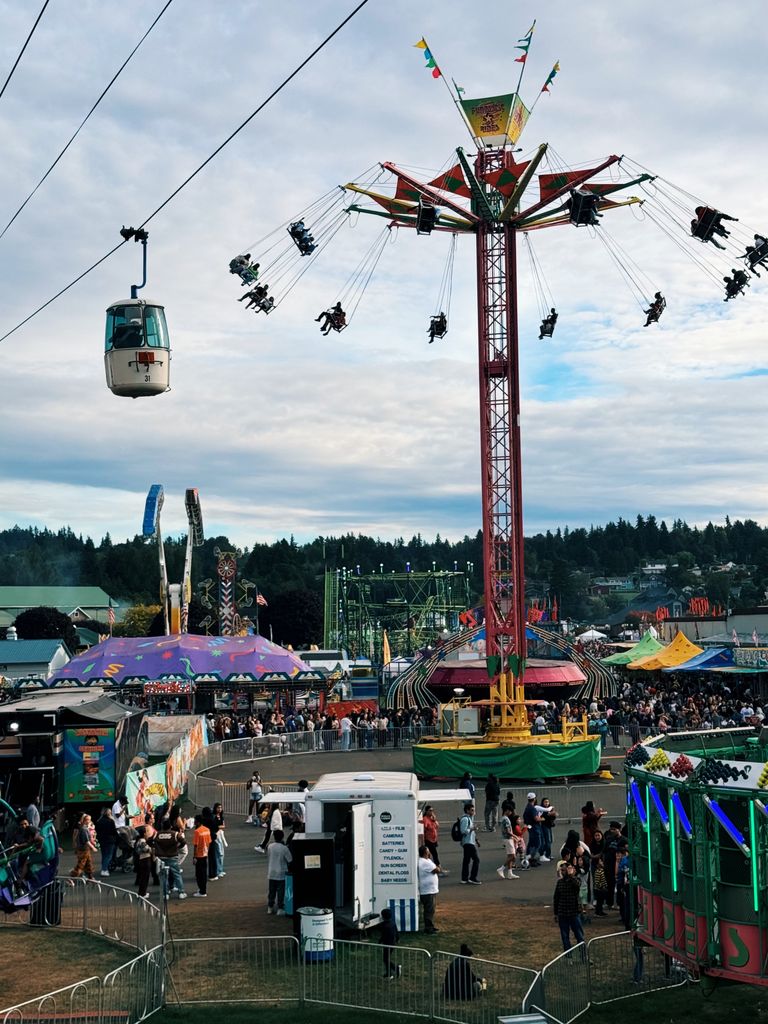
The fair combines educational exhibitions with activities for families. Food vendors provide refreshments and fair-style meals, while scheduled entertainment and special activities depend on the year’s program.
Do not assume that a traveling carnival, a particular number of rides, a demolition derby, a tractor pull, or a concert is included every year. These attractions require confirmation in the current schedule.
Admission arrangements are also worth checking before arrival. Nevada’s published event information has described the Story County Youth Fair as having no gate admission, and local reporting in July 2026 likewise reported free admission. Individual ticketed attractions or special events may have separate charges.
Facilities and Grounds

The Story County Fairgrounds has several buildings designed for different kinds of agricultural and community activities.
Exhibition halls and event buildings
The Community Building dates to 1941 and has been restored for modern gatherings. Its upper level can accommodate approximately 220 guests, while the lower level can accommodate approximately 120. The climate-controlled facility is suitable for wedding receptions and other private functions.
Christy Hall provides approximately 5,000 square feet of space, a full kitchen, tables, chairs, and accessible facilities. Its listed maximum capacity is 350 people, making it a practical option for meetings and organized gatherings.
Dueland Pavilion provides approximately 7,200 square feet, with a concrete floor, sound system, seating, and holding pens. Bob Williams Arena is another livestock and community-event space, with approximately 10,500 square feet.
Livestock barns and arena
The East and West Stall Barns each provide 4,000 square feet of space. The West Stall Barn has 39 stalls, while the East Stall Barn has 32. Both include electricity and access to water, with wash racks available.
The goat barn provides approximately 3,600 square feet of insulated space with a concrete floor. A larger arena of approximately 28,000 square feet supports rodeos, horse shows, livestock exhibitions, and other activities. It includes an announcer’s stand, lighting, holding pens, and seating.
These facilities are useful for exhibitors and event organizers, but stall reservations and access arrangements depend on the activity being held.
Camping, parking, and accessibility
Camping spots are available at the fairgrounds, and reservations should be arranged ahead of busy events. Confirm electrical hookups, water access, fees, length-of-stay limits, and arrival procedures with management before bringing an RV.
Visitors should follow event-specific parking directions and posted signs. Overflow arrangements can vary with attendance, weather, and other bookings.
Some facilities advertise accessible features, including accessible facilities at Christy Hall. Visitors who need accessible parking, step-free access, or particular restroom arrangements should verify which areas will be open during their visit.
Food service, first aid, ATMs, and other amenities should not be assumed available at every event. Check the event information or ask the organizer about the facilities provided on the day.
Vendor and Exhibitor Information
Businesses, food sellers, artisans, and agricultural suppliers interested in participating should contact fairground management or the fair association before planning their booth.
Commercial vendor applications
Vendor opportunities depend on the event and the space available. Applicants should ask about:
- Booth dimensions and indoor versus outdoor locations.
- Application deadlines and fees.
- Electrical access and equipment restrictions.
- Food handling permits and insurance requirements.
- Setup times, vehicle access, and teardown rules.
- Payment arrangements and cancellation policies.
A general facility rental does not necessarily guarantee a commercial booth at the annual fair. Vendors should request the appropriate application for the specific event.
Competitive exhibits and entry deadlines
Youth and adult exhibitors should consult the current fair book for project divisions, eligibility, required paperwork, judging schedules, and entry fees. Online registration has been used for Story County Fair entries, with separate guidance available for 4-H and FFA families.
The 2026 entry system listed a registration period from June 1 through July 1, 2026, with late-entry conditions specified for that year. Those dates should not be reused for 2027 without confirmation.
Getting to Story County Fairgrounds
The fairgrounds are in Nevada, the Story County seat, northeast of Des Moines and east of Ames. Visitors driving from Ames can travel toward Nevada using the area’s connecting state highways and local roads. Drivers coming from Des Moines generally approach through the central Iowa highway network before continuing into Nevada.
Because the fairground property has multiple buildings and event entrances, the correct destination may differ from the mailing or management-office address. Check the event’s directions before setting out.
Public transportation and event shuttles should not be assumed to operate during fair week. Visitors using rideshare services can arrange a drop-off with their driver, but should confirm the appropriate entrance and pickup point when traffic restrictions are in place.
Parking, road access, and pedestrian routes may change during livestock arrivals or major events. Allow extra time when arriving for a scheduled show.
4-H and FFA at Story County Fairgrounds
Youth education is one of the most important parts of the Story County Fair. Through 4-H and FFA, young people develop practical skills in animal care, agriculture, public speaking, project planning, and responsibility.
Story County Extension and 4-H
Iowa State University Extension and Outreach in Story County supports 4-H families with project guidance, educational activities, and fair participation. Young exhibitors prepare projects throughout the year before presenting their work for judging.
The county includes youth and agricultural programs associated with communities such as Nevada, Ames, Roland, Ballard, and Collins-Maxwell. The number of active clubs and participating members can change, so a current directory from the Extension office is the best source for exact figures.
FFA participation and junior livestock sales
The fairgrounds’ published contacts identify FFA chapters associated with Roland-Story, Ballard, Collins-Maxwell, Colo-NESCO, Nevada, and Ames.
Livestock sale arrangements vary by the official fair program. Where a junior livestock auction is scheduled, eligible exhibitors present qualifying animals, and buyers may bid according to the sale’s rules. Proceeds and payment arrangements depend on the auction format, buyer agreements, and applicable fair policies.
Families planning to exhibit animals should confirm identification requirements, weigh-in dates, health documentation, class eligibility, and sale procedures with the Extension office or fair management.
Special Events Beyond the Annual Fair
The fairgrounds’ arena and indoor facilities allow the property to serve different community needs throughout the year.
Horse shows, rodeos, and livestock activities
The arena is equipped for horse shows, rodeos, livestock displays, and selected community events. Its holding pens, lighting, and seating support activities that require more room than a conventional meeting hall.
Community celebrations and private functions
The Community Building, Christy Hall, and other rentable spaces can accommodate receptions, reunions, meetings, and organized gatherings. These bookings allow the property to remain useful outside the main summer fair.
Swap meets, flea markets, gun shows, motocross events, concerts, and seasonal festivals should be treated as possible event categories rather than confirmed annual fixtures. Check the current calendar before travelling for a specific attraction.
History of Story County Fairgrounds
Story County’s fair tradition reflects central Iowa’s agricultural history and the role of youth organizations in rural education. The fair provides a public setting where livestock projects, agricultural skills, creative work, and community involvement can be recognized.
The Community Building, constructed in 1941, is one identifiable part of the grounds’ history. Its restoration has allowed an older facility to continue serving modern events and private functions.
A notable recent challenge occurred in July 2026, when flooding associated with Indian Creek affected the fairgrounds shortly before the annual fair. Volunteers helped clean the property, restore livestock pens, and rebuild poultry-barn shelving so the fair could open as scheduled on July 15.
The response demonstrated how much preparation takes place behind the scenes before fair week. Livestock exhibitors, volunteers, fair organizers, and community supporters all contribute to getting the grounds ready for visitors.
A complete chronology of the fair’s founding, historical attendance records, and earlier cancellations should be confirmed through the fair association’s historical records rather than inferred from the current facility information.
Frequently Asked Questions
When is the Story County Fair in 2027?
The 2026 fair took place July 15–19. The 2027 dates should be confirmed through the Story County Fair Association’s official calendar once published.
What time does Story County Fairgrounds open?
Opening times depend on the event. Livestock check-in, judging, building access, and public activities may begin at different times. Check the schedule for the specific day.
Is admission free at Story County Fairgrounds?
The 2026 Story County Fair was reported as having free admission. Future admission policies and charges for individual attractions should be verified before visiting.
Is there camping at Story County Fairgrounds?
Yes. Camping spots are available at the grounds. Contact management to confirm reservations, rates, hookup options, and availability for your dates.
How do I enter livestock in the Story County Fair?
Review the current fair book and online entry instructions. Contact Story County Extension and Outreach for 4-H questions or fair management for FFA-related entry guidance.
Are dogs allowed at Story County Fairgrounds?
Do not assume that pets are permitted throughout the grounds. Ask the fair office about the current animal policy, leash requirements, and exceptions for service animals before arriving.
Where do I park at Story County Fairgrounds?
Follow the signs and event-specific parking directions in Nevada. Parking arrangements and overflow areas can change depending on attendance, weather, and activities taking place.
Who do I contact to rent Story County Fairgrounds?
Contact the Property and Fair Operations Manager at 515-520-1394 or [email protected] to ask about available buildings, rental terms, and scheduling.
How much does it cost to get into the Story County Fair?
The 2026 fair was reported as free to enter. Confirm the admission policy for the next fair, as special attractions or separately ticketed activities may have their own fees.
Can I rent a building for a wedding or family reunion?
Yes. The Community Building and other facilities are available for selected private functions. Capacity, availability, deposits, and rental conditions depend on the building and date.
Where can I find the Story County Fair schedule?
Check the fairgrounds’ official event calendar and current fair book. These provide the most relevant information about event times, exhibits, vendor applications, and youth competitions.
One Comment