Mississippi County Arkansas Fairgrounds Events
The Mississippi County Fair has been running out of Walker Park in Blytheville for roughly ninety-five years, and it is still the one event most families in northeast Arkansas mention when they talk about late summer. If you are looking for the next fair, the grounds calendar, or how to enter a pig, a quilt, or a pumpkin, this guide covers what is known, what changes from year to year, and where to confirm the details.
Overview of Mississippi County Fairgrounds
Where the grounds are
The fairgrounds sit inside Walker Park in Blytheville, the largest city in Mississippi County and the easternmost incorporated town in Arkansas. Blytheville is also one of the county’s two seats. Its courthouse, the Chickasawba District courthouse, was dedicated in 1921 and has served the northern half of the county since 1901. The county’s other seat, Osceola, is about the same distance away, so people coming from the south of the county usually have the longer drive. Walker Park is the public park where the fair has been held for decades, and the older generation in town still refers to the event as “down at Walker Park.”
Who runs the fair
The Mississippi County Fair is operated by the Mississippi County Fair Association, a nonprofit 501(c)(3) run by a volunteer board. The board handles the budget, contracts the midway, lines up grandstand entertainment, and oversees the exhibit departments. Fair manager Ray Lawrence has been a familiar name in local coverage, and James Phaxton is the current association president. Local newspapers have also referred to the fairgrounds board, which suggests the day-to-day work is shared between the fair association and the people who manage the grounds.
Money has always been tight. For years the association relied on two fundraisers, a spring carnival and the fall fair, to cover the cost of running the event. When the COVID-19 pandemic canceled both in 2020, the association asked local businesses and former fairgoers for donations to keep the gates open. The fair came back, and the volunteers still lean on local sponsors and donors.
How long it has operated
The fair’s 2026 edition was billed as its 95th year, which puts the start in the early 1930s. A 2020 news story described it as an 89-year tradition, which lines up with that count. Blytheville’s agricultural roots go back much further. Mississippi County has long been the top cotton-producing county in Arkansas, and the fair grew out of that farm economy. Cotton competitions appeared in local archives as early as 1941, and the fair board was planning a women’s exhibit building at Walker Park in the late 1940s.
Why it matters here
For many residents, the fair is the one time each year when the whole county gathers in one place. Farm families, factory workers from the steel plant east of town, church groups, and retirees who grew up coming to the fair all show up for the same few days. Longtime exhibitors have built careers and family traditions around it. One local woman, Nell Johnson, was preparing to enter her items for the fiftieth time in 2012, and she had won more than 1,600 ribbons by then. Stories like hers explain why the fair still draws attention in Blytheville even as other small-town events have faded.
Upcoming Events at Mississippi County Fairgrounds
The types of events held here
The fairgrounds host more than the annual fair. Past seasons have included carnivals, petting zoos, demolition derbies, and livestock shows, with the youth livestock show first appearing on the grounds in 2010 alongside goat and sheep classes. The most recent fair added a truck pull and a magician, the first truck pull in about forty years, according to the association. Reliable details on private rentals, gun shows, swap meets, or motocross events at Walker Park are harder to confirm, so check with the fair association before planning any of those.
Seasonal patterns
The main event is the late-summer fair. In recent years it has run for five days in late August, with 2025 running August 19 through 23 and 2026 running August 25 through 29. The spring carnival used to be a second fundraiser, and it has been canceled at least once because of rain. A fall fair has also been part of the calendar in past years, so the association’s current schedule is the place to check whether one is planned. Winter and spring indoor events at the grounds are not something local coverage has documented in detail.
Finding the current schedule
The most reliable place to find current dates and event listings is the fair association’s own updates and the Mississippi County Fairgrounds page on Facebook, which posts schedules and last-minute changes. Local news outlets, including the Courier News in Blytheville and KAIT, also publish fair dates and previews each summer. Since the event dates shift a little from year to year, confirm the exact days before you plan a trip.
Visitors exploring Mississippi County Arkansas Fairgrounds Events can also discover community gatherings through Miller County Arkansas Fairgrounds Events. Exploring both counties helps visitors learn about local traditions, discover seasonal activities, and enjoy regional celebrations throughout Arkansas.
The County Fair Itself
Recent dates and admission
The 2026 fair ran from August 25 through 29 and was reported to charge $5 for adults. Last year’s fair, held August 19 through 23, had a published schedule of admission prices that gave a clearer picture of the usual structure. Gate admission was $4 for ages 13 and up, $2 for ages 4 through 12, and free for children three and under. Ride armbands cost $20. Gates opened at 6 p.m. Tuesday through Friday and closed at 10 p.m., with the Saturday opening moved up to 3 p.m. Expect prices and hours to shift in 2027, so treat these numbers as a guide.
Competitions and exhibits
The fair’s competitive exhibits have traditionally covered crops, baked goods, canning, needlework and quilts, photography, art, and home economics. Livestock shows have added beef, dairy, swine, sheep, goats, and rabbits over the years. Historically, exhibit entry has been free, but entrants must live in Mississippi County, and the items must be their own work, completed within the past year unless the category says otherwise. Entries have come through the exhibit hall, and in the past drop-off was scheduled over a few hours in the days before the fair opened. Check the current premium book for categories, entry forms, and deadlines.
Carnival and midway
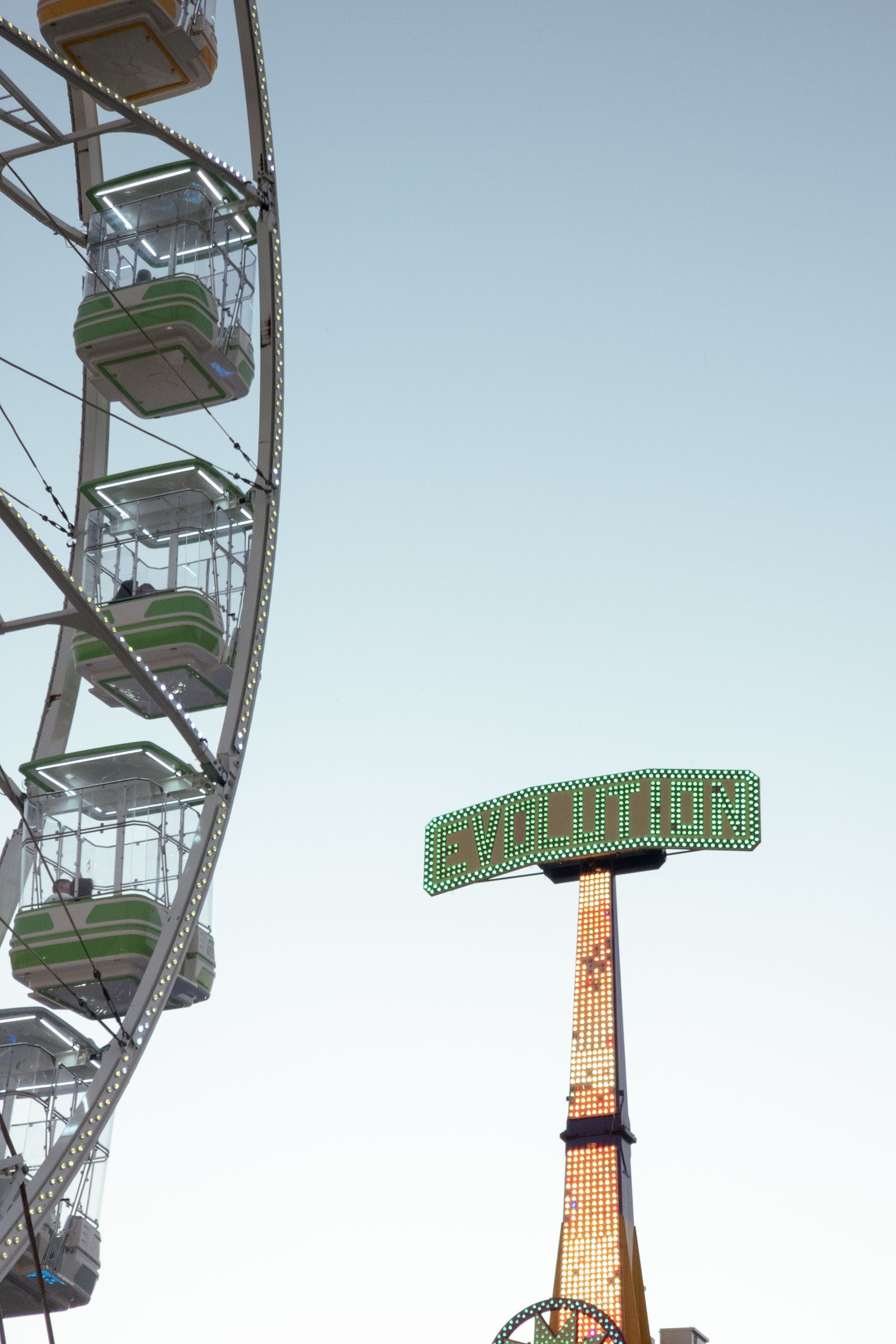
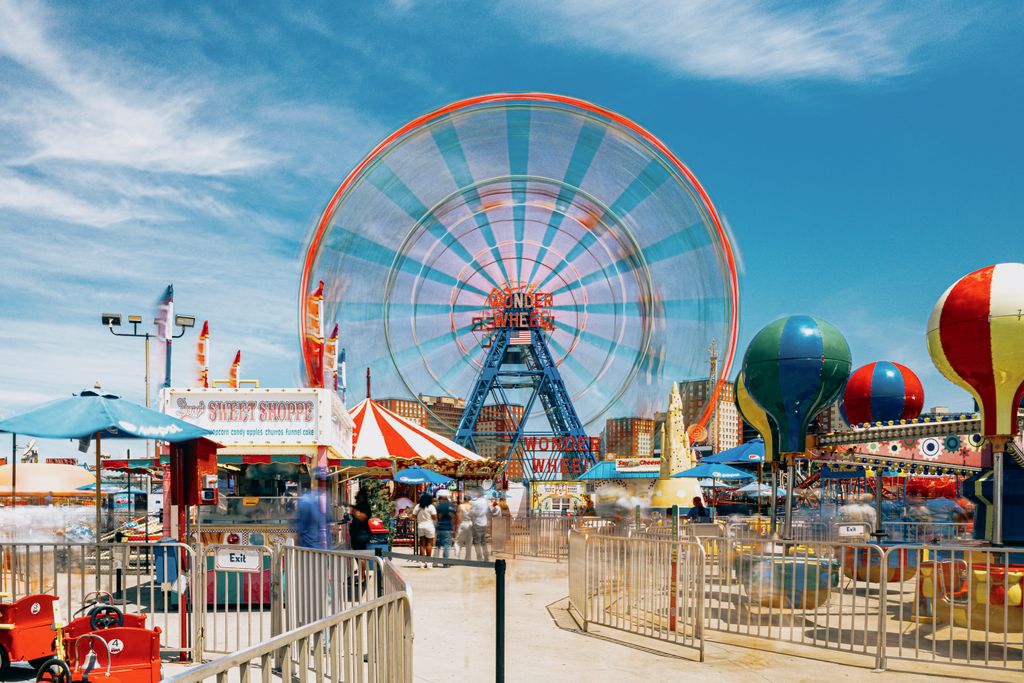
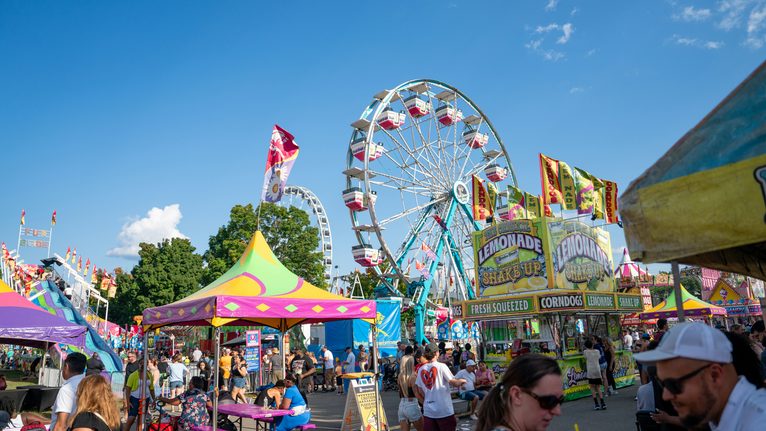
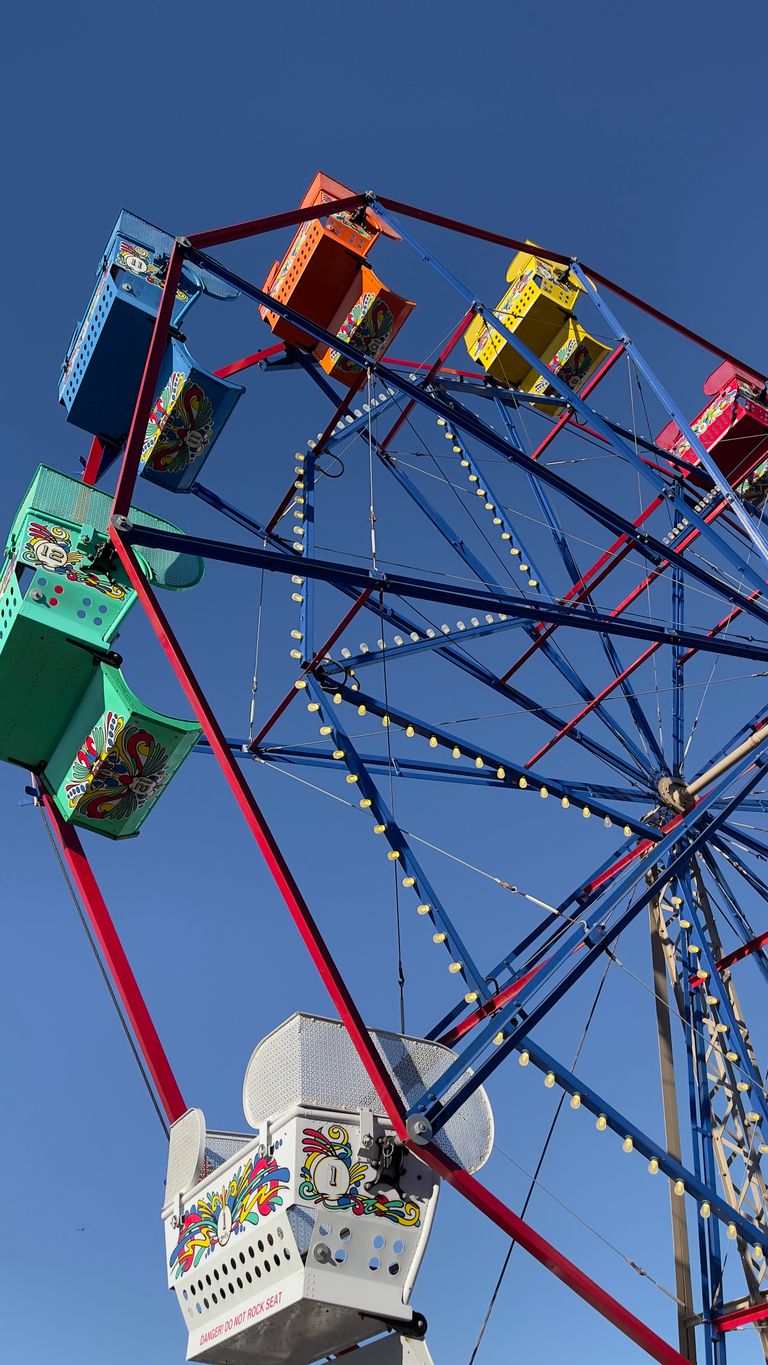
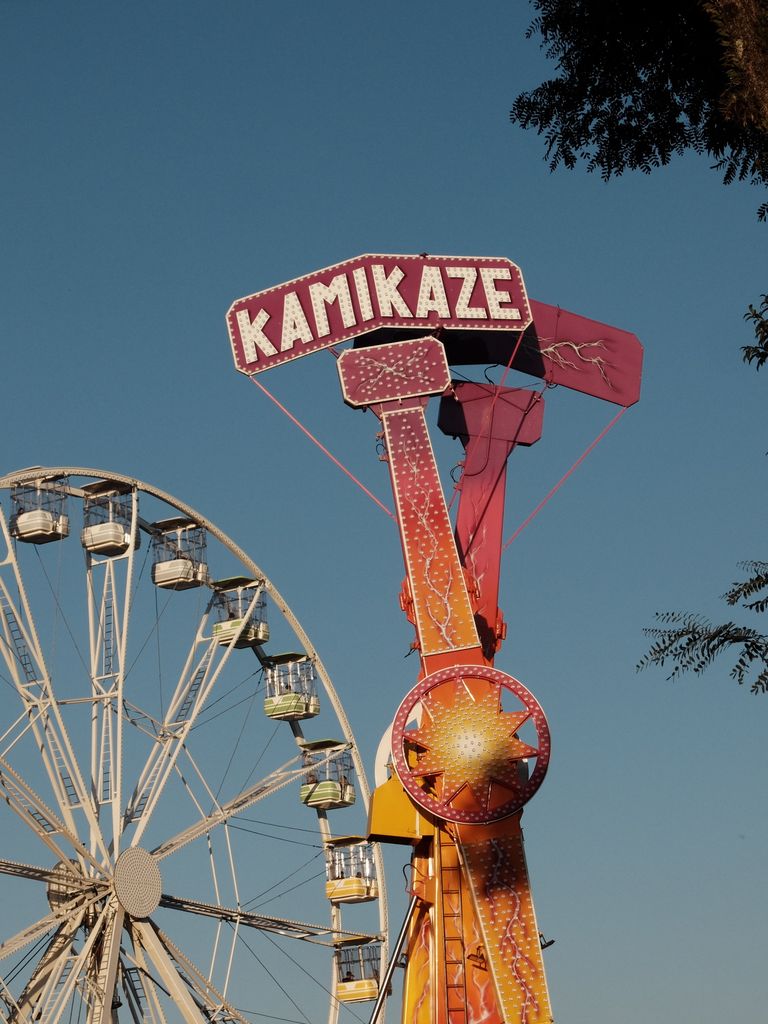
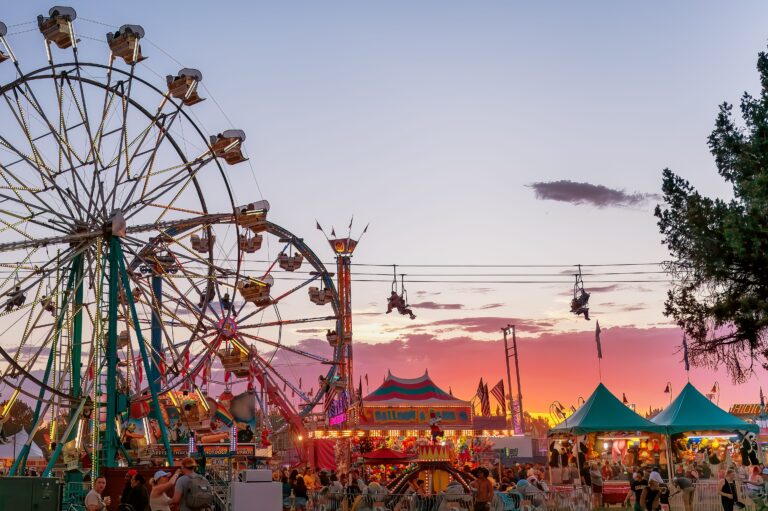
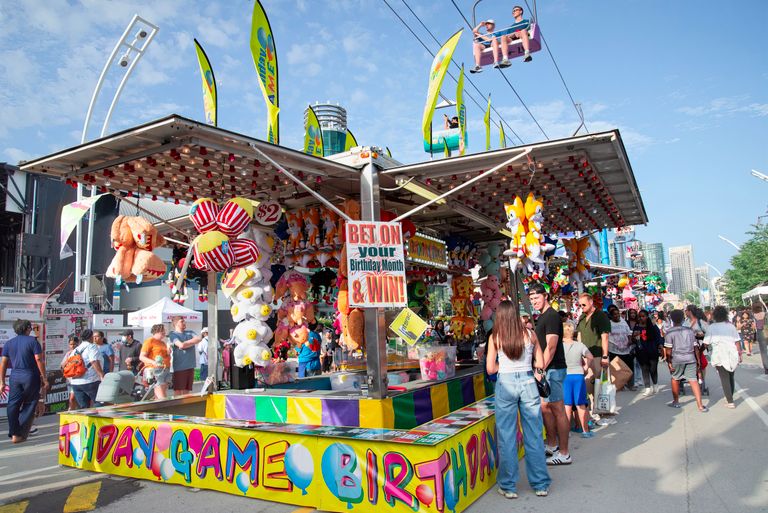
The fair has traditionally hired a traveling carnival company to run the midway, and the 2025 fair used PBJ Happy Day Shows. Armbands sold for $20 last year, which gave riders unlimited rides during the evening session. Ride counts vary from year to year, and the association has said it hopes more attendance will bring bigger rides in future years, so expect the midway to change.
Food and entertainment
Fair food in Blytheville follows the familiar pattern of funnel cakes, corn dogs, caramel apples, and cotton candy. Older residents still bring up caramel apples and cotton candy as their childhood favorites, and several local stories mention those treats by name. Grandstand entertainment has included local acts and special shows, and the 2026 additions were the truck pull on opening weekend and a magician. Talent contests and pageants have appeared in past years, but confirm this season’s lineup with the association.
Youth and junior fair programs
Youth take a central role at the Mississippi County Fair, from 4-H and FFA exhibits to junior livestock classes. Families with children often treat the fair as the first place a child shows an animal or enters a project for judging. Exact 4-H club counts and FFA chapter details for Mississippi County were not confirmed for this guide, so ask the county extension office or the local FFA advisors for current numbers.
Gate, parking, and passes
Season passes, parking fees, and any free-admission days should be confirmed each year through the association. Last year’s published gate prices included reduced rates for children and free entry for small children, which is the typical structure. Seniors and military discounts were not confirmed for this guide.
Facilities and Grounds
Walker Park layout
The fairgrounds share space with Walker Park, which means the fair uses park land, shelters, and open areas during the event. Specific acreage and a complete site map were not confirmed in the sources reviewed for this article. Visitors who want to know where the exhibit hall, livestock barns, or grandstand sit should call the fair office or check the association’s posted map before the event.
Exhibit buildings
The exhibit hall has long been the center of the competitive side of the fair. Historically, it has been reached from Missouri Street, and exhibit drop-off happened at that entrance. The building houses the displays for crops, baked goods, arts, and home economics, and the rows of ribbons and display cases are a big part of the fair’s character.
Livestock barns and arenas
Livestock shows take place on the grounds, but specific barn counts, stall rental procedures, and arena seating capacity were not confirmed here. Exhibitors who need stall space should ask the fair association directly about availability and fees.
Grandstand and concert seating
The grandstand hosts fair entertainment, and the new truck pull was staged for opening weekend. Seating capacity is not documented in this guide, so ask the association if you need accessible seating or have a large group.
Accessibility, camping, and amenities
Information on ADA parking, accessible restrooms, paved paths, camping and RV hookups, on-site first aid, and ATMs was not verified for this article. These are important details for families with mobility needs, so plan to call ahead rather than relying on assumptions.
Vendor and Exhibitor Information
Exhibiting your work
The exhibit departments are the most accessible way to take part. Local residents can enter crops, baking, canning, handiwork, photography, and art without paying an entry fee, provided they meet the residency and handmade requirements. Enter early and read the premium book for the year’s categories and rules.
Commercial booths
Commercial vendors and food booths have been part of the fair for years, and the fair association is the contact for booth applications. Booth size, fees, insurance requirements, and application deadlines change, so request the current vendor packet directly from the association. Many fairs require proof of insurance and a food permit for food vendors.
Contact the fair office
Historically the fair office was staffed during the fair itself and listed a local phone number. That number may have changed, so confirm the current contact through the fair association or the official Facebook page before calling or mailing an application.
Getting to Mississippi County Fairgrounds
From Blytheville
Walker Park is inside Blytheville, so most local drivers reach the fair on city streets. U.S. Highway 61 runs through Blytheville and is one of the main routes into town. Confirm the exact street entrance for the fair each year, especially during the first days of the event when traffic can back up.
From Osceola and other towns
Visitors from the southern part of the county usually travel north toward Blytheville on the main county routes. Visitors from the Missouri and Tennessee sides of the Mississippi River use the regional highways and bridges that connect to Blytheville. Because road names and exact routes vary by starting point, use a current mapping app for turn-by-turn directions.
Shuttles and rideshare
Public transportation and shuttle service during fair week were not confirmed for this article. Rideshare drop-off at Walker Park may be limited during peak hours, so plan a pickup spot in advance.
4-H and FFA at Mississippi County Fairgrounds
The role of the extension office
The county extension office plays a key role in organizing 4-H competitions, enrollment, and project deadlines, and it typically helps coordinate youth exhibits and livestock check-in with the fair association. Mississippi State University Extension publishes livestock program information for the state, and it lists the county fairs and jackpot shows as a regular place for 4-H livestock competition. Mississippi County’s local extension details should be confirmed directly with the office.
4-H clubs and FFA chapters
Local 4-H clubs and high school FFA chapters are the backbone of the youth side of the fair. The exact number of 4-H clubs in Mississippi County and the list of participating FFA chapters were not confirmed for this guide. Ask the extension office or your local high school agriculture department for current numbers.
Junior livestock auction
Youth livestock auctions are a long-standing part of county fairs across the region, and the Mississippi County Fair typically includes one. Auction timing, bidder rules, and how the proceeds are divided between the exhibitor and the program were not verified here. Local 4-H and FFA leaders are the best source for those details.
Special Events Beyond the Annual Fair
Beyond the late-summer fair, Walker Park and the fairgrounds have hosted community fundraisers, cotton and farm competitions, and other seasonal gatherings. Historic coverage shows that the grounds have been used for demolition derbies and carnival events alongside the fair itself. Gun shows, swap meets, flea markets, rodeos, motocross, concerts beyond the grandstand fair acts, and holiday festivals are not confirmed as regular events at this site, so check the fair association or local event listings before counting on them.
History of Mississippi County Fairgrounds
The fair’s roots run back to the county’s farm economy. Blytheville was founded in the late 1880s on land cleared of timber, and its fertile soil quickly made cotton the county’s main crop. The fair became the place where that work was celebrated, judged, and displayed. By the late 1940s the fair association was planning new buildings at Walker Park, including a women’s building that would be used for exhibits and community events. Those plans reflected a fair that was growing alongside the town.
The fair has faced hard years. A 2010 livestock show was introduced as a new feature, and a 2010 letter to the editor complained about declining exhibits and the feel of a late-summer carnival rather than a county fair. That tension between tradition and change has returned in each decade. The COVID-19 pandemic brought the most serious threat in recent memory. The spring carnival was canceled, and the fall fair was uncertain. The fair association asked for donations, and the community responded in time to hold the event in later years.
Notable attendance records, famous visitors, and major grounds renovations were not confirmed in the sources reviewed for this article. Anyone with photographs, programs, or memories of past fairs can help preserve that record through the local newspaper or the fair association.
Frequently Asked Questions
When is the Mississippi County Fair in 2027?
The 2026 fair ran August 25 through 29, and the fair has typically been held in late August. The 2027 dates had not been announced in the sources reviewed, so check the fair association or the local newspaper for the official schedule.
What time does Mississippi County Fairgrounds open?
Last year’s gates opened at 6 p.m. Tuesday through Friday and at 3 p.m. on Saturday, closing at 10 p.m. Hours can change, so confirm the current schedule before visiting.
Is there camping at Mississippi County Fairgrounds?
Camping and RV hookups were not confirmed for this site. Ask the fair association before planning an overnight stay.
How do I enter livestock in the Mississippi County Fair?
Livestock entries are handled through the fair association and the county extension office. Check the premium book for species, classes, check-in dates, and any required paperwork. Youth should also confirm 4-H or FFA enrollment requirements.
Are dogs allowed at Mississippi County Fairgrounds?
Pet policies were not confirmed for this guide. Because livestock and exhibit areas are involved, many fairs restrict pets. Contact the fair association before bringing a dog.
Where do I park at Mississippi County Fairgrounds?
Parking is handled at Walker Park during the fair. Parking capacity, overflow lots, and any fees were not confirmed here, so plan to arrive early on busy nights.
Who do I contact to rent Mississippi County Fairgrounds?
Rental inquiries should go to the Mississippi County Fair Association or the fairgrounds board. The association can confirm availability and rates for the grounds and buildings.
How much does it cost to get into the Mississippi County Fair?
The 2026 fair was reported at $5 for adults. Last year’s published gate prices were $4 for ages 13 and up, $2 for ages 4 through 12, and free for children three and under, with ride armbands at $20. Check the current year’s pricing before you go.
Does the Mississippi County Fair have a carnival?
Yes. The fair has long included a traveling carnival, and the 2025 midway was run by PBJ Happy Day Shows. Ride selection changes from year to year.
Can I enter baked goods or crafts without living in the county?
Historically, exhibit entrants have needed to be residents of Mississippi County, and items must be their own handiwork completed within the past year unless the category says otherwise. Confirm the current rules in the premium book.

One Comment