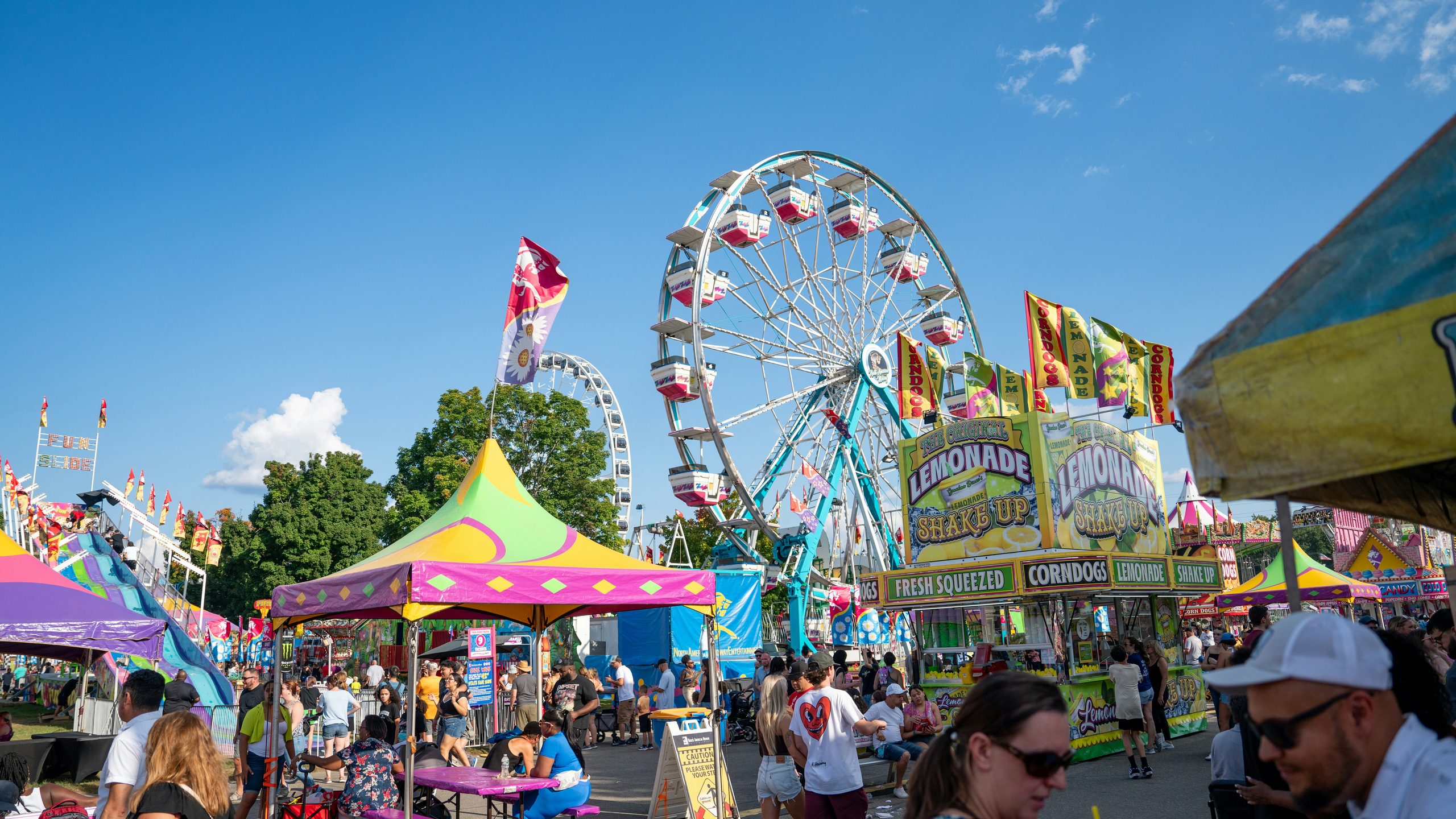
Des Moines County Iowa Fairgrounds Events
The Des Moines County Fairgrounds are located at 1015 South Gear Avenue, West Burlington, Iowa 52655. Although the county shares its name with Iowa’s capital city, Des Moines County is in southeastern Iowa, along the Mississippi River. Burlington serves as the county seat, while West Burlington hosts the county fairgrounds.
The grounds provide a gathering place for agricultural exhibitions, youth competitions, livestock activities, community events, and the annual Des Moines County Fair. Their location in the Burlington area makes the fair accessible to residents from nearby communities, including Middletown, Danville, Mediapolis, and surrounding rural townships.
The Des Moines County Fair Association oversees the county fair. Its work connects local agricultural traditions with opportunities for young people, families, exhibitors, and businesses to participate in the fair.
The site includes space for fair activities and exhibitor displays, although a verified acreage figure and a complete current inventory of permanent buildings are not readily established. Visitors planning a particular activity should confirm which facilities will be available during their visit.
Upcoming Events at Des Moines County Fairgrounds

The main event on the Des Moines County fair calendar is the annual county fair, when livestock exhibitors, 4-H members, families, and fair visitors come together in West Burlington. Other activities depend on the association’s schedule and the availability of the grounds.
Types of events to look for
The fair’s agricultural focus makes livestock exhibitions, youth project displays, animal judging, and related educational activities important parts of its program. Depending on the published schedule, visitors may also find:
- Livestock shows and agricultural demonstrations.
- 4-H project judging and youth exhibits.
- Food stands, commercial vendors, and community displays.
- Carnival attractions and family entertainment during fair week.
- Special competitions, presentations, and scheduled entertainment.
These are event categories to check for, not a guarantee that every activity will be offered each year. Specific concerts, tractor pulls, demolition derbies, flea markets, rodeos, and other independent events should not be assumed without a confirmed listing.
Seasonal schedule and facility rentals
The county fair is a summer agricultural event. Exhibitor preparations and registration take place before fair week, making spring an important time for participants to review entry requirements and deadlines.
For upcoming events in 2026 and 2027, check the fair association’s latest announcements and contact its secretary or manager. Publicly available information does not establish a complete, verified calendar of off-season events or confirm that every building is available for private rentals.
Groups interested in holding meetings, fundraisers, or other gatherings should ask the association about rental options, capacity, insurance requirements, and available dates.
The Des Moines County Fair
When is the Des Moines County Fair held?

The Des Moines County Fair is traditionally held during the summer. Exact dates for the 2026 and 2027 fairs should be confirmed with the fair association before making travel arrangements. A confirmed current schedule is necessary before publishing particular opening days, grandstand performances, or ticket information.
The fair’s agricultural program reflects the importance of livestock, farm skills, and youth education in southeastern Iowa. Its history also shows how the event has changed alongside the county’s agricultural community.
Livestock, agricultural exhibits, and competitions
Livestock activities are an important part of the county’s fair tradition. Depending on the year’s premium book and program, exhibitors may enter beef cattle, swine, sheep, goats, poultry, rabbits, or other approved classes.
Participants should check the current rules for animal identification, health documentation, weigh-in times, judging procedures, and required arrival dates. Not every species or competition necessarily appears in every year’s schedule.
Other competitive exhibits may include photography, arts and crafts, baking, canning, gardening, sewing, woodworking, and educational projects. The official entry guide determines which categories are available, their judging criteria, and the deadlines for submitting work.
Carnival rides, food, and entertainment
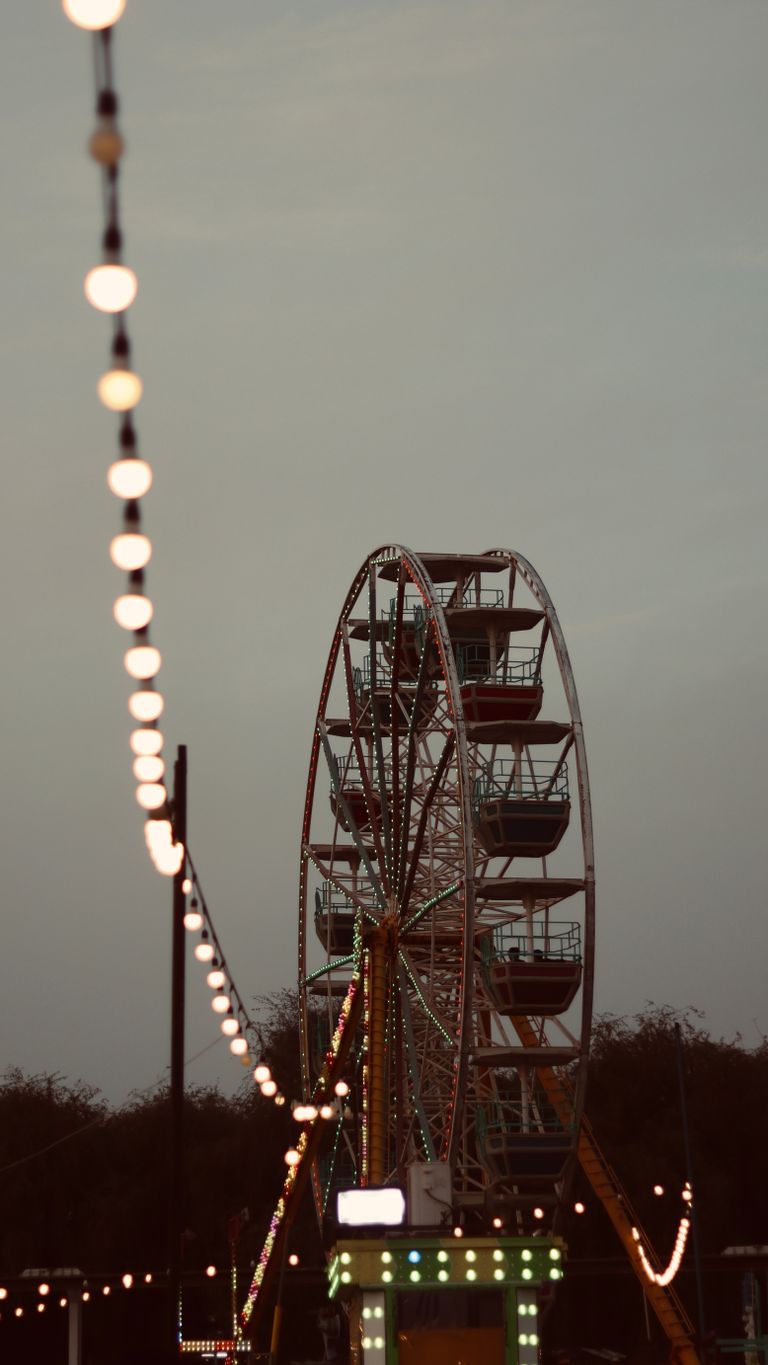
Carnival rides and midway attractions can be part of the summer fair experience when scheduled. The specific carnival operator, number of rides, wristband offers, and operating hours should be verified for the year of attendance rather than assumed from another Iowa county fair.
Fair food may include familiar Midwestern fair staples such as sandwiches, burgers, fried foods, sweet treats, and refreshments. The actual vendors and any special local food traditions depend on the current program.
Grandstand entertainment, local performances, contests, and other family activities should be checked against the published daily schedule. Visitors planning around a particular performance should confirm whether its ticket is included with general admission or requires separate payment.
Junior fair and youth participation
Youth activities connect the Des Moines County Fair with local 4-H programs and agricultural education. Young exhibitors can gain practical experience in animal care, project planning, public speaking, recordkeeping, and presenting their work to judges.
A junior livestock sale may be offered as part of the annual program, but its date, eligible exhibitors, bidding rules, and payment arrangements must be verified in the current year’s materials. Visitors interested in supporting youth exhibitors should ask the organizers how buyers register and how proceeds are handled.
Admission, parking, and opening hours
Admission prices, parking charges, children’s policies, senior discounts, and season passes can change from year to year. Do not rely on an old event flyer for current prices.
Before leaving for West Burlington, confirm the fair’s daily opening time, the hours for livestock buildings, any separately ticketed events, and whether parking is available at the grounds. Opening times for exhibitors and livestock participants may differ from public admission hours.
Facilities and Grounds

The Des Moines County Fairgrounds are organized around agricultural fair activities and the needs of exhibitors and visitors. Exact building counts, seating capacities, total acreage, and the number of parking spaces should be obtained from the fair association rather than estimated.
Exhibition buildings and livestock areas
Exhibition space supports the display and judging of approved projects. Livestock areas allow animals to be housed and prepared for scheduled competitions. The facilities required depend on the species entered and the fair’s arrangements for that year.
Exhibitors should confirm stall assignments, bedding requirements, cleaning responsibilities, feeding arrangements, water access, and the permitted arrival and departure windows. Commercial exhibitors should also establish whether their assigned space is indoors or outdoors.
Explore Des Moines County Iowa Fairgrounds Events for details about local fairs agricultural exhibitions livestock activities and community celebrations. Visitors can also check Delaware County Iowa Fairgrounds Events for more county fairground information.
Arena and entertainment space
Any arena, show ring, or grandstand area used for a scheduled competition or performance may have its own access rules and seating arrangements. A specific seating capacity or a guarantee that a particular arena is available for an event cannot be established without current facility information.
Camping, accessibility, and visitor amenities
Visitors traveling in recreational vehicles should ask whether camping is offered directly on the grounds, whether reservations are required, and whether electrical hookups are available. Nearby private campgrounds are not the same as on-site fair camping.
Visitors with disabilities should contact the association about accessible parking, routes between buildings, restroom access, and seating accommodations. The availability of paved pathways and accessible facilities throughout the property should be confirmed before arrival.
Parking arrangements can change during busy fair days. Follow posted signs and instructions from parking attendants, particularly when livestock trailers, delivery vehicles, and general visitor traffic share access areas.
Do not assume that ATMs, first-aid stations, permanent concession stands, or public shuttle services operate throughout the year. Ask about these amenities when planning a visit with young children, older relatives, or someone who requires mobility assistance.
Vendor and Exhibitor Information
The fair provides an opportunity for businesses and community organizations to introduce their services, sell approved products, and connect with residents from across Des Moines County.
How to apply for a vendor booth
Commercial vendors should contact the Des Moines County Fair Association for the latest application and participation requirements. A previously published vendor application identifies the fair’s physical location as 1015 South Gear Avenue in West Burlington and provides a contact route through the association.
A complete application may require the business name, contact details, product or service description, booth category, space requirements, and payment. Vendors should ask about electricity, setup times, permitted merchandise, insurance, food-service requirements, and cancellation policies.
Applications and fees from previous years may be outdated. Confirm the current deadline and pricing directly with the organizer.
Entering competitive exhibits
Livestock exhibitors and participants entering arts, crafts, agricultural products, or home economics categories should obtain the current premium book or exhibitor guide.
The guide should explain eligibility, entry deadlines, class requirements, judging schedules, and any fees. Livestock participants may have additional identification, health, and transportation obligations. Missing a registration deadline or required animal document can prevent an otherwise eligible entry from participating.
Getting to Des Moines County Fairgrounds
The fairgrounds are in West Burlington, near Burlington in southeastern Iowa. Visitors should use 1015 South Gear Avenue, West Burlington, IA 52655 as the destination when planning their journey.
Driving directions
From downtown Burlington, travel toward West Burlington and follow directions for South Gear Avenue. Because traffic patterns and preferred entrances can change, use current navigation instructions and follow temporary fair signs when approaching the grounds.
Visitors coming from Middletown or other nearby communities can plan their approach through the local road network toward West Burlington. Travelers from farther away should plan their route through southeastern Iowa and check road conditions before departure.
Public transportation and rideshare
Do not assume that a special fair shuttle or dedicated public transit service will be available. Confirm local transit arrangements if you are traveling without a car.
Rideshare passengers should agree on a pickup and drop-off point that does not obstruct livestock trailers or the main entrance. During busy periods, a designated location outside the busiest traffic flow may be easier for drivers and passengers to use.
4-H and FFA at Des Moines County Fairgrounds
The Des Moines County Fair has a long connection with youth agricultural education. The county’s 4-H history records that the Tri-State Fair began in 1915 and included youth exhibits from Des Moines County and neighboring counties in Iowa, Illinois, and Missouri.
The role of Iowa State University Extension and 4-H
The local Iowa State University Extension and Outreach office is an important point of contact for information about 4-H enrollment, youth projects, and fair participation. Families should consult the current county program for club meetings, project requirements, training opportunities, and fair deadlines.
Youth projects have historically included livestock, crops, gardening, sewing, canning, and other practical skills. Current offerings depend on the county’s active clubs and program arrangements.
FFA participation and livestock sales
FFA members from area high schools may participate in agricultural education and livestock activities where the annual rules permit. However, the specific chapters participating in a given year’s fair should be confirmed rather than inferred from the schools located nearby.
A junior livestock auction, if included in the current schedule, gives eligible youth an opportunity to present their animals to prospective buyers. Buyers should ask the organizers about registration, bidding procedures, payment, animal disposition, and how sale proceeds are distributed. These details matter because a livestock sale may operate differently from a conventional public auction.
Special Events Beyond the Annual Fair
The annual county fair is the principal event associated with the grounds, but visitors and local organizations may also inquire about other activities.
Potential uses of fairground facilities include community gatherings, agricultural meetings, educational events, vendor activities, and fundraisers. The availability of each type of event depends on the fair association’s calendar, facilities, and approval process.
Shows, markets, and seasonal gatherings
People searching for flea markets, swap meets, horse shows, rodeos, gun shows, motocross events, or tractor pulls should check for a specific listing before visiting. These activities are not automatically part of the Des Moines County Fair program, and their appearance at other Iowa fairgrounds does not establish that they occur in West Burlington.
The same caution applies to concerts, demolition derbies, holiday events, and seasonal festivals. For a reliable calendar, confirm the organizer, venue, date, ticket requirements, and any age or entry restrictions.
History of Des Moines County Fairgrounds
Des Moines County’s fair history includes an important regional agricultural event: the Tri-State Fair, which began in 1915 and brought together participants from several counties across Iowa, Illinois, and Missouri.
The Tri-State Fair operated in Burlington until 1946, when financial difficulties led to its disbandment. The Des Moines County Fair Association was approved in April 1947 and subsequently sponsored the county fair.
Between 1951 and 1974, the event was known as the Burlington Hawkeye Fair. In 1974, it adopted the name Des Moines County Fair, which more directly identified the county it served.
The fairgrounds also experienced a significant location change during the 1970s. Construction of a freeway through Burlington required the grounds to be relocated in 1973. Nearby Middletown facilities were used for 4-H competitions and displays for several years during this transition.
This history illustrates that the county fair is more than a summer entertainment event. It has served as a place for agricultural learning, youth achievement, community participation, and the continuation of local traditions. Its changing name and location reflect the practical challenges of maintaining an agricultural gathering place as the surrounding region develops.
The documented history provides a useful foundation, but specific attendance records, notable visitors, detailed construction dates for individual buildings, and any additional fair cancellations should be confirmed through historical records before being reported as facts.
Frequently Asked Questions
When is the Des Moines County Fair in 2026 or 2027?
The Des Moines County Fair is a summer event in West Burlington, Iowa. Exact dates for 2026 and 2027 should be confirmed with the Des Moines County Fair Association before making plans.
What time does Des Moines County Fairgrounds open?
Public opening hours vary according to the fair’s daily schedule and other events. Check the current program for gate opening times, livestock judging, and evening entertainment.
Is there camping at Des Moines County Fairgrounds?
On-site camping availability and RV facilities should be confirmed with the fair association. Ask about reservations, electrical hookups, fees, and any restrictions on vehicle size.
How do I enter livestock in the Des Moines County Fair?
Obtain the current exhibitor guide or premium book and follow its registration deadlines, identification requirements, health rules, and arrival instructions. Contact the local Extension and Outreach office for information about youth 4-H participation.
Are dogs allowed at Des Moines County Fairgrounds?
Pet policies may differ between public fair days, livestock areas, and special events. Confirm the current rules before bringing a dog, including leash requirements, vaccination rules, and any restrictions on animals entering exhibition buildings.
Where do I park at Des Moines County Fairgrounds?
Visitors should follow the posted parking signs and instructions at the South Gear Avenue entrance. Confirm accessible parking, trailer parking, and any overflow arrangements before arriving during busy events.
Who do I contact to rent Des Moines County Fairgrounds?
Contact the Des Moines County Fair Association and ask whether the desired facility is available for private events. Rental rates, capacity, insurance requirements, and permitted uses should be confirmed directly.
How much does it cost to get into the Des Moines County Fair?
Admission prices vary by year and may differ for individual events. Check the current fair schedule for general admission, advance tickets, parking charges, children’s policies, and separately ticketed entertainment.
What activities are available for children?
Depending on the annual schedule, children may enjoy agricultural exhibits, livestock displays, 4-H projects, educational demonstrations, food vendors, and carnival attractions. Check the published program for age restrictions and specific family activities.
How can I become a vendor at the county fair?
Contact the fair association for the current vendor application, available booth spaces, fees, deadlines, and setup rules. Food vendors should also ask about applicable permits and health requirements.
One Comment