Yolo County California Fairgrounds Events
Yolo County Fairgrounds is a gathering place for agriculture, youth exhibitors, local businesses, and families in Woodland, the county seat of Yolo County, California. The grounds host the annual Yolo County Fair along with other events that bring people from Woodland, Davis, West Sacramento, Winters, and surrounding farming communities together.
The fair has a distinctly agricultural foundation. Yolo County’s farms produce crops including tomatoes, rice, almonds, grapes, and other field and specialty crops, and the fair gives local residents a place to showcase livestock, creative projects, farm-related skills, and community organizations. For visitors, it offers a mix of fair food, exhibits, entertainment, and seasonal activities.
If you are planning a visit, entering an exhibit, or looking for a place to hold an event, the key is to distinguish the annual fair schedule from the grounds’ year-round calendar. Event dates, admission charges, and facility availability can vary.
Overview of Yolo County Fairgrounds
Location and address
Yolo County Fairgrounds is located at 1250 East Gum Avenue, Woodland, CA 95776. Woodland sits in the Sacramento Valley, northwest of Sacramento, and is readily reached from Interstate 5 and nearby state highways.
The grounds are within Woodland’s developed area, making them accessible to local residents as well as visitors driving from Davis, Dixon, Winters, and West Sacramento. Before traveling for a particular show, check the event’s own arrival instructions because gate locations, parking arrangements, and vehicle access may differ by event.

Who operates the fairgrounds?
The Yolo County Fair is organized through the local fair organization, which manages fair programming, exhibitor information, and event operations. The fairgrounds also host activities beyond fair week, with arrangements depending on the event organizer and the space being used.
The grounds serve several purposes: they provide a public venue for the county’s annual fair, support agricultural and youth competitions, and offer space for community gatherings and commercial events. Exact acreage, building-by-building capacities, and availability of individual facilities should be confirmed with the fair office rather than assumed.
Why the grounds matter to Yolo County
Agriculture remains a defining part of Yolo County’s economy and identity. The fair connects that working landscape with the public through livestock exhibitions, agricultural displays, youth projects, competitive exhibits, and opportunities for residents to meet local producers and organizations.
For 4-H and FFA participants, the fair can also be a major milestone in a year of raising animals, preparing projects, learning record-keeping, and presenting work to judges. For many families, attending the fair is an annual tradition tied to the end of summer.
Upcoming Events at Yolo County Fairgrounds

The annual Yolo County Fair is the best-known event at the grounds, but the calendar may also include livestock activities, exhibitions, community gatherings, vendor events, and other public or private bookings. Do not assume an event is returning simply because it has appeared in a previous year’s calendar.
Year-round event patterns
The schedule changes from season to season. Agricultural and youth activities may take place outside the main fair week, while indoor spaces can accommodate gatherings and exhibitions at other times of the year. Summer is the main period to watch for the county fair and its associated competitions, midway, food vendors, and entertainment.
Other event types sometimes found at county fairgrounds include:
- Agricultural, livestock, and youth organization activities
- Community expos, vendor markets, and public sales
- Craft, hobby, and specialty exhibitions
- Fundraisers and local organization gatherings
- Private events and facility rentals, subject to availability
These are general categories of activities associated with fairgrounds, not a guarantee that each one is scheduled at Yolo County Fairgrounds. Confirm individual events before making travel plans.
How to check the current calendar
For upcoming events in Yolo County, consult the fairgrounds’ current event calendar or contact the fair office directly. Event organizers may publish separate details covering admission, parking, entry times, age restrictions, and exhibitor registration.
If you are attending a specific show, rely on that event’s current announcement rather than an older listing. A fairgrounds calendar can change as bookings are added or revised.
The Yolo County Fair

When is the fair held?
The Yolo County Fair is traditionally held in August, making it a late-summer event for Woodland and surrounding communities. Exact dates, opening hours, ticket prices, and the entertainment lineup change from year to year.
For 2026–2027, confirm the published dates with the fair organizers before planning around a particular day. Do not rely on a previous year’s schedule as proof of this year’s dates.
Livestock, agriculture, and competitive exhibits
Agricultural displays and youth entries are central to the fair’s identity. Depending on the current premium book and competition schedule, exhibitors may be able to enter livestock, agricultural projects, creative work, and household exhibits.
Common county-fair competition categories can include:
- Beef cattle, sheep, goats, swine, poultry, and rabbits, where offered
- Crop, garden, and other agricultural displays
- Baking, preserves, canning, and home arts
- Photography, fine arts, crafts, and handmade projects
- Youth projects prepared through 4-H, FFA, and other eligible programs
The exact classes, age groups, entry fees, and judging times are set by the fair’s current rules. Prospective exhibitors should read the applicable entry guide before preparing an animal or project.
Carnival rides, food, and entertainment
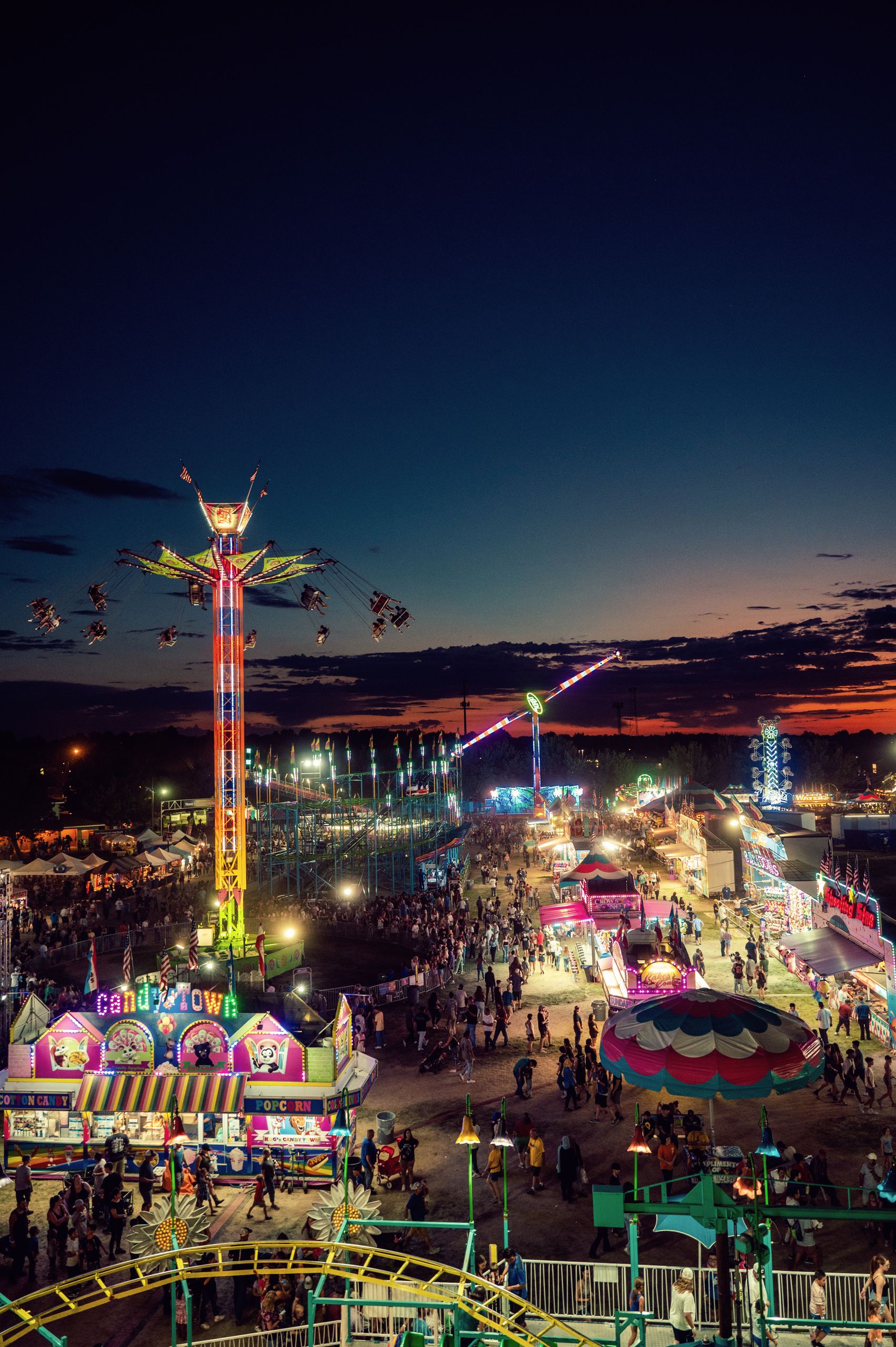
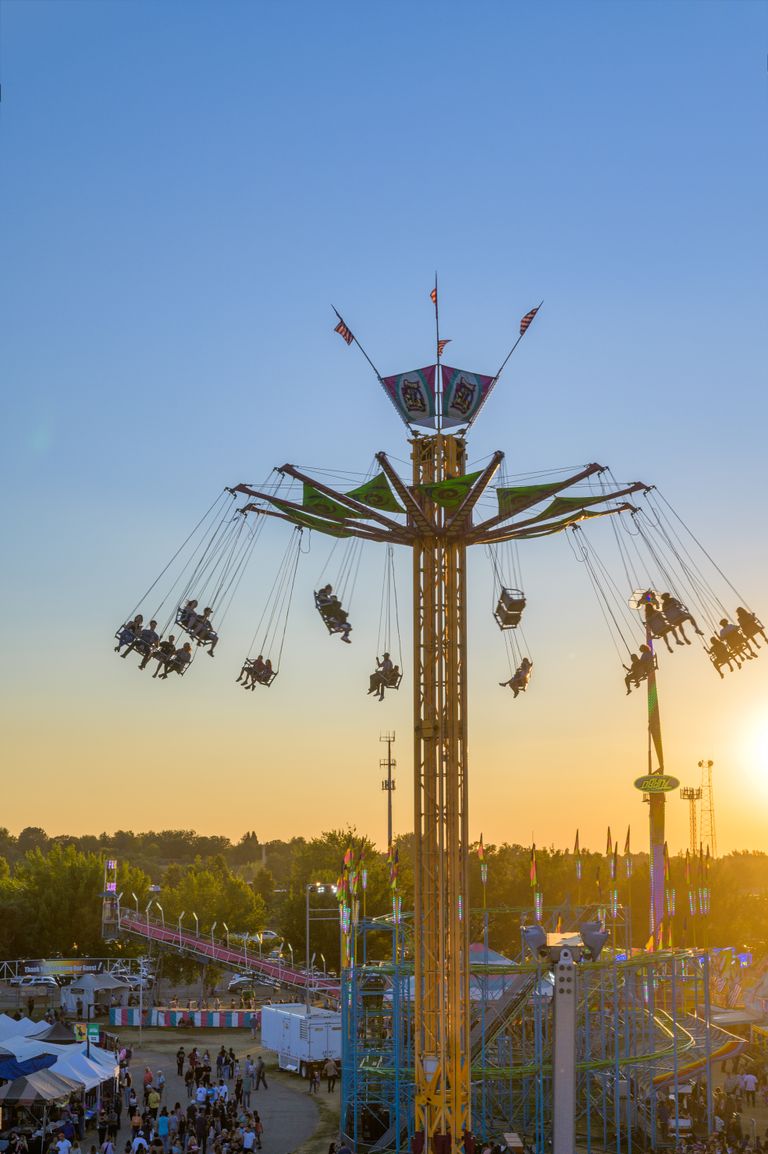
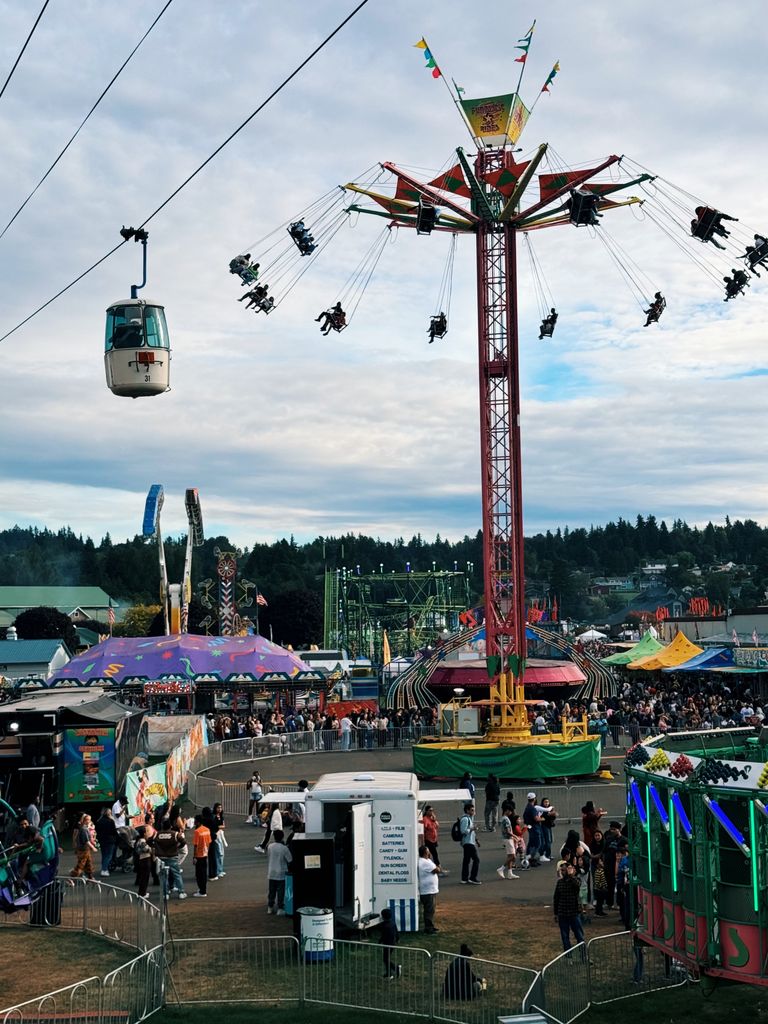
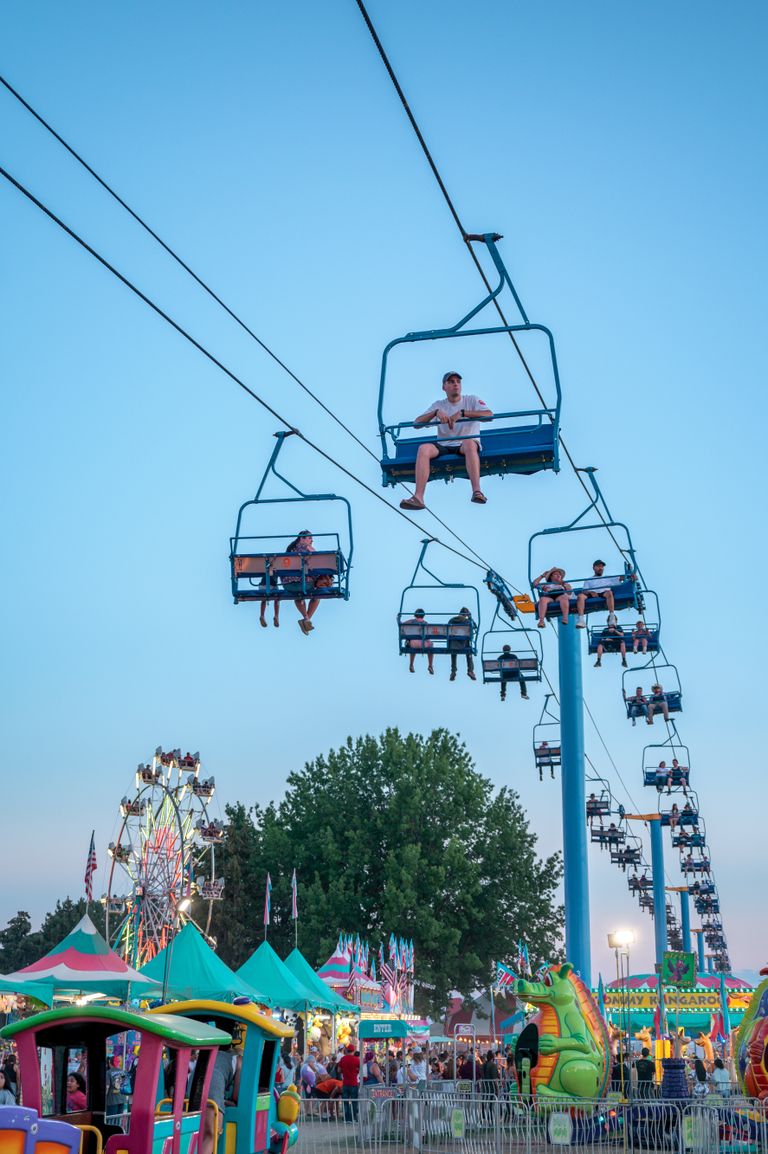
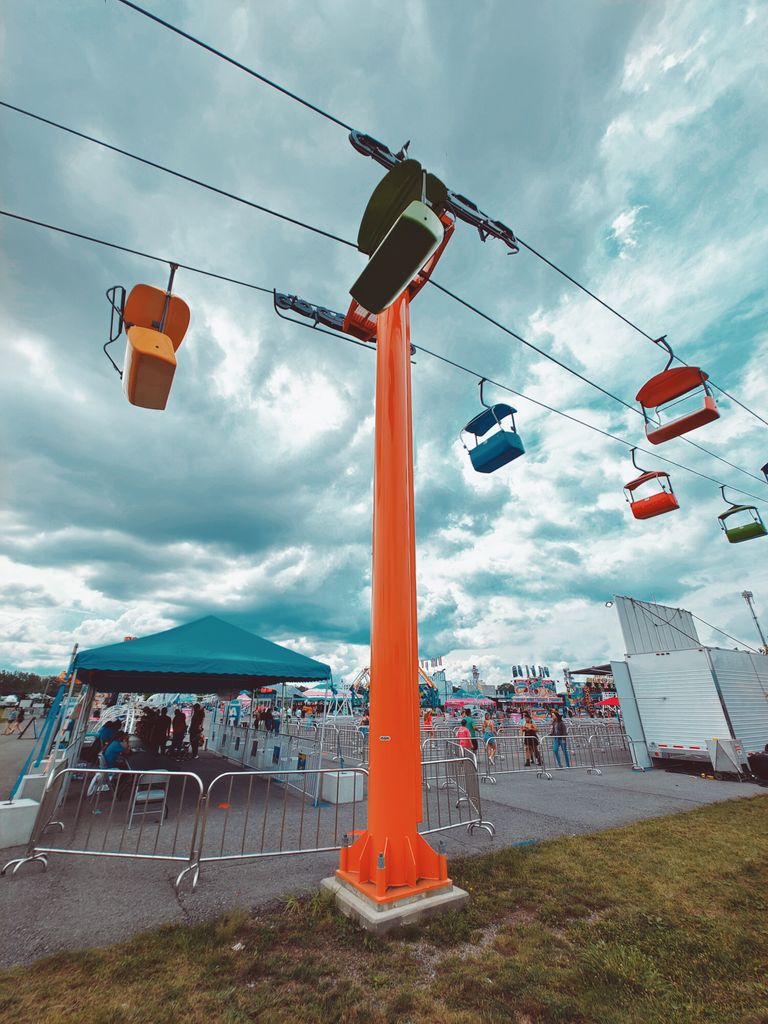
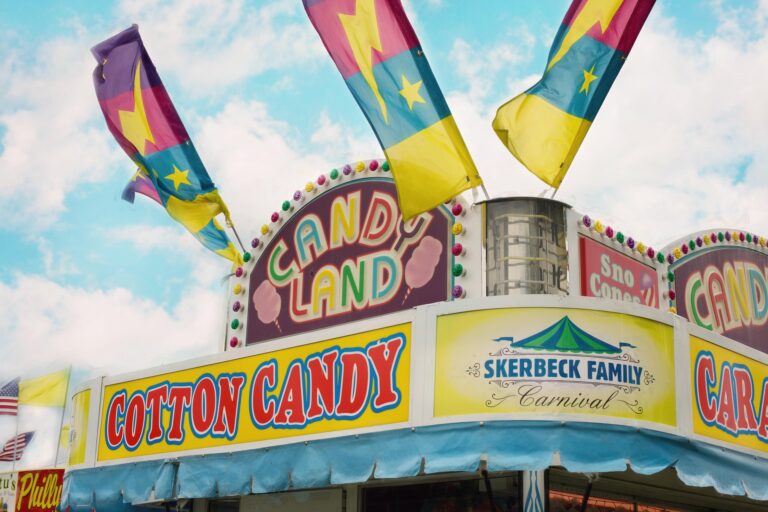
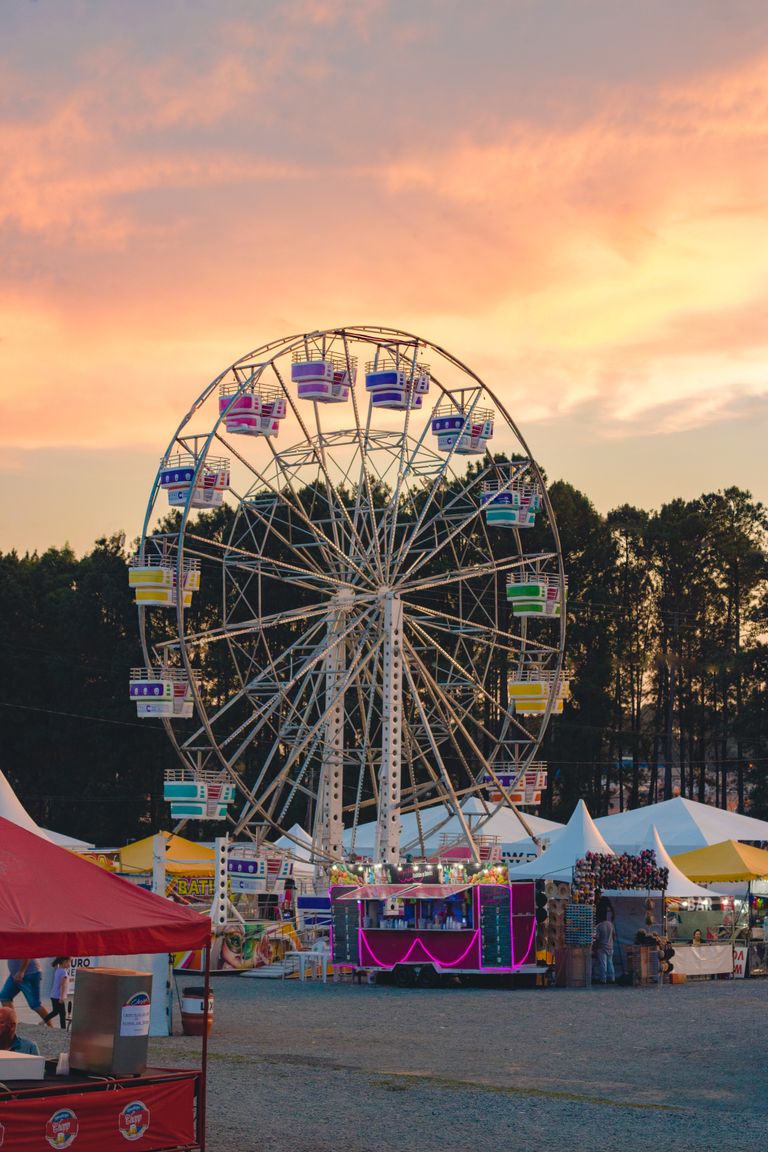
The midway is often a major attraction at county fairs, with rides and games alongside food stalls and vendor booths. The availability of rides, ride wristbands, and discounted admission packages depends on the year’s arrangements. Check current ticket information before assuming that a particular wristband or unlimited-ride offer is available.
Visitors may encounter familiar fair foods such as corn dogs, funnel cakes, fries, barbecue, lemonade, and sweet treats, along with food sold by commercial vendors or local groups when participating. Specific vendors and menus vary.
Entertainment can include live music, stage programming, family activities, contests, and other booked attractions. The current schedule—not a past lineup—is the reliable guide to performers and showtimes.
Junior fair and youth programs
The fair gives young exhibitors a public setting to demonstrate skills learned through agriculture and youth development programs. Livestock projects can require months of feeding, care, record-keeping, and preparation before the animal is shown.
A junior livestock auction, when scheduled, gives eligible exhibitors a chance to present market animals to buyers. Auction rules determine who can bid, how lots are ordered, and how payments are handled. Buyers should review the current fair information and ask the organizers about registration, payment deadlines, and the disposition of purchased animals.
Visitors exploring Yolo County California Fairgrounds Events can also discover local gatherings through Ventura County California Fairgrounds Events. Exploring both counties helps families and travelers discover regional heritage, enjoy seasonal activities, and experience community celebrations throughout California.
Facilities and Grounds

Exhibition buildings and event spaces
The fairgrounds include indoor exhibition areas and outdoor spaces used for fair displays, livestock activities, arena events, vendors, and community bookings. During the main fair, exhibit halls accommodate competitive entries and displays that are separate from the midway and outdoor entertainment.
The specific buildings available for rent, their capacities, included equipment, and setup rules depend on the booking. Event organizers should ask the fair office which space best fits their attendance, layout, and power or equipment needs.
Livestock and arena areas
Livestock facilities support animal housing and judging during fair activities. Exhibitors must follow the current livestock handbook for arrival times, animal health requirements, bedding, feed, showmanship, and release procedures. Stall assignments and species categories are set by the fair’s livestock staff.
Arena and outdoor areas can accommodate selected fairtime performances and other scheduled events. Rodeos, demolition derbies, horse shows, or motor sports should not be assumed to be part of every year’s program; check the current calendar for confirmed bookings.
RV camping, parking, and accessibility
Yolo County Fairgrounds has an RV park, but visitors should confirm current availability, reservation procedures, length-of-stay limits, hookups, and rates before arriving. Camping during a large event may have different conditions from ordinary RV stays.
For the annual fair, the published main entrance and public parking are at 1250 East Gum Avenue. The 2026 fair listed parking at $10 per car; that price should not be treated as a guaranteed rate for future years or unrelated events. Some event days may use different traffic plans.
Accessible parking, entrances, restrooms, and walking routes can vary by building and event setup. Visitors who need a specific accommodation should contact the organizers ahead of time. Ask about designated drop-off points, paved routes, accessible seating, and the distance from parking to the event area.
Vendor and Exhibitor Information
Commercial vendors and food concessions
Businesses interested in selling merchandise or serving food should apply through the fair’s vendor process. Commercial merchandise vendors and concession operators may have different application requirements, fees, insurance obligations, health permits, and space rules.
The fair has identified its office at 1125 East Street, Woodland, CA 95776, with the fairgrounds themselves at 1250 East Gum Avenue. Vendor inquiries can be directed to 530-402-2222. Applicants should ask about availability, application deadlines, electrical needs, setup and teardown times, and whether a particular product category is already restricted or fully booked.
A vendor application does not automatically guarantee a booth. Approval, placement, and operating conditions depend on the event and the organizer’s requirements.
Entering competitive exhibits
People interested in displaying art, photography, plants, home arts, or other eligible projects should use the current competitive-exhibits guide. Livestock exhibitors need the separate livestock rules and entry process.
Read the current premium book carefully for age divisions, class descriptions, deadlines, fees, drop-off windows, judging schedules, and exhibit pickup. For example, the 2026 paper-entry form specified a July 5 deadline at 5 p.m. for the entries covered by that form; that was a year-specific deadline, not a standing date for every future fair.
Getting to Yolo County Fairgrounds
Driving from Woodland and nearby communities
From central Woodland, follow local streets toward East Gum Avenue and the fairgrounds’ main entrance. Drivers coming from Sacramento or the south can use Interstate 5 toward Woodland, then follow local directions to East Gum Avenue. From Davis, use the connecting local highway routes toward Woodland and follow event signage as you approach the grounds.
Visitors coming from Winters or western Yolo County should check their route before departure, especially during fair week when traffic and parking access may be managed differently.
Public transportation, shuttles, and rideshare
Yolo County fair organizers have offered transportation assistance during fair periods, including a free Yolobus shuttle for designated fair service in some years. Routes, stops, operating hours, and availability can change, so confirm the current year’s arrangement before relying on it.
Rideshare passengers should use the designated drop-off location provided for their event. Do not assume a driver can enter the main parking area or stop at any gate during peak attendance. Allow extra time on busy evenings and on days with arena events.
4-H and FFA at Yolo County Fairgrounds
Yolo County’s agricultural education programs help connect young people with farming, animal care, leadership, and practical skills. The fair is one public setting where participants can show the results of that work.
Youth organizations and county support
Local 4-H clubs and high school FFA programs may prepare members for livestock showing, project displays, demonstrations, and other competitions. Exact participating clubs, chapters, and eligible classes can change, so families should consult the current fair guide and their program leaders rather than rely on a previous year’s list.
The fair’s livestock information explains entry procedures, required training, animal eligibility, show rules, and deadlines. For 2026, livestock registration information included an annual quality-assurance training requirement for applicable participants.
How the junior livestock auction works
At a junior livestock auction, eligible youth exhibitors present market animals to buyers according to the published sale order. Buyers register and bid under the fair’s rules, and the final transaction follows the stated payment and animal-release procedures.
Proceeds and any additional premiums or support depend on the sale arrangement and individual buyer agreements. Prospective buyers should ask the fair office how registration works, whether businesses or individuals may participate, and what obligations apply after a successful bid.
Special Events Beyond the Annual Fair

The 55-acre grounds host more than the main fair. Past and recurring event categories have included agricultural and youth shows, dog shows, cultural festivals, car and consumer events, community fundraisers, and private gatherings. The calendar has also featured events such as the Sacramento Scottish Games and Festival and the 4-H Spring Show.
Indoor events, community gatherings, and rentals
Indoor buildings and outdoor areas can be used for selected public or private functions, subject to availability and the terms of the rental agreement. Groups planning an expo, fundraiser, business gathering, or other event should ask about space capacity, insurance, setup time, food service, sound restrictions, parking, and cleanup responsibilities.
The grounds also have a year-round RV park and serve an important public-safety role as a designated emergency destination for people and animals. This means the site has uses beyond entertainment, although emergency operations or other bookings may affect availability.
What about rodeos, swap meets, or motocross?
Do not assume that every type of event commonly found at fairgrounds is held at Yolo County Fairgrounds. A rodeo, swap meet, flea market, gun show, motocross event, or seasonal festival should be considered confirmed only when it appears on the current calendar or is verified by the organizer.
For the most accurate upcoming-events information, check the current calendar or call the fair office at 530-402-2222.
History of Yolo County Fairgrounds
The first Yolo County Fair took place in the late summer of 1893, with horse racing as a central attraction. The fair’s program expanded over time: a horse show was added in 1936, followed by an industrial show in 1937.
The current fairgrounds site, formerly known as Blowers Ranch, was purchased by the 40th District Agricultural Association in 1940. The property originally contained a farmhouse, horse and cattle barns, and a bunkhouse. Later improvements included a stock building and the relocation of an exhibition building from an earlier site.
The fair was suspended during World War II, beginning in 1942, and returned in 1948. It has since developed into a major annual gathering for Woodland and the wider county, supported by exhibitors, volunteers, sponsors, local businesses, and community organizations.
The fair is known for maintaining a free-admission gate, a tradition that allows visitors to enter without purchasing a general admission ticket, though parking, rides, food, and some activities may cost extra. The grounds continue to support both agricultural education and community events throughout the year.
Frequently Asked Questions About Yolo County Fairgrounds
When is the Yolo County Fair in 2026–2027?
The 2026 fair used an expanded schedule, opening August 7–9 and again August 12–16. The fair’s published 2027 dates are August 13–22, 2027. Check the final schedule before visiting because daily hours and exhibit availability can differ.
What time does Yolo County Fairgrounds open?
Opening hours depend on the event and day. During the 2026 fair, the first Friday opened at 5 p.m., while Saturday and Sunday opened at noon. Other days had different hours, and the grounds were closed to fairgoers on August 10–11 for the schedule changeover.
Is there camping at Yolo County Fairgrounds?
Yes. The fairgrounds has a year-round RV park with full hookups. Confirm current space availability, rates, reservation requirements, and stay limits with the fair office before arrival.
How do I enter livestock in the Yolo County Fair?
Start with the current livestock exhibitor guide and registration process. Review animal eligibility, required training, deadlines, health rules, arrival instructions, and show requirements. Contact the fair office if you need help identifying the correct class or entry procedure.
Are dogs allowed at Yolo County Fairgrounds?
During the annual fair, the published prohibited-items policy generally excludes animals other than service animals. Rules may differ for dog shows or other animal-specific events, so check the instructions for the particular event before bringing a pet.
Where do I park at Yolo County Fairgrounds?
The main public entrance and parking area are at 1250 East Gum Avenue, Woodland. The 2026 fair listed parking at $10 per car. A walking entrance was also designated at Gibson Road and County Fair Mall. The back lot on Gibson Road was permit-only, not public parking.
Who do I contact to rent Yolo County Fairgrounds?
Call the fair office at 530-402-2222 to ask about facility rentals, available buildings, outdoor spaces, event requirements, and rates. The administrative office is at 1125 East Street in Woodland; the fairgrounds are at 1250 East Gum Avenue.
How much does it cost to get into the Yolo County Fair?
The Yolo County Fair is known as a free-gate fair, so general entry has traditionally been free. Parking, carnival rides, food, and selected activities may have separate charges. Confirm the current year’s details before visiting.
Can I sell products at the Yolo County Fair?
Yes, vendors can apply for commercial or concession space, subject to the fair’s approval and available inventory. Contact the fair office to request the current application and learn about fees, insurance, permits, setup rules, and deadlines.
Does Yolo County Fairgrounds host events outside fair week?
Yes. The grounds host a range of public and private events during the year, including agricultural and youth activities, cultural events, dog shows, community gatherings, and other booked functions. Check the current event calendar to confirm dates and entry requirements.
One Comment