Winnebago County Iowa Fairgrounds Events
Winnebago County Fairgrounds serves the agricultural community around Thompson in north-central Iowa. The grounds host the annual Winnebago County Fair, where local families gather for livestock exhibitions, youth projects, entertainment, food vendors, and activities connected to the region’s farming traditions.
The fairgrounds are located at 264 Fairgrounds Drive, Thompson, Iowa 50478, on the south side of town. Thompson is a small community in Winnebago County, and the fairgrounds are closely connected to the local agricultural calendar and the county’s 4-H program.
The annual fair brings together livestock exhibitors, families, local organizations, and visitors from neighboring communities. Its combination of animal shows, educational exhibits, commercial booths, food stands, and grandstand entertainment makes it an important summer gathering for residents of Winnebago County.
The fair office can be reached at 641-584-2011. Iowa State University Extension and Outreach in Winnebago County, located at 183 1st Avenue East in Thompson, coordinates important youth exhibition and livestock-related requirements. The fair association and the extension office have different responsibilities, so exhibitors should contact the appropriate organization for their particular needs.
Upcoming Events at Winnebago County Fairgrounds
Annual Fair and Seasonal Activities
The main annual event is the Winnebago County Fair, traditionally held in July. Its schedule includes youth exhibits, livestock activities, food vendors, family entertainment, and grandstand programming. The precise lineup varies each year, so visitors should verify dates and individual event times before travelling.

Events associated with the fairgrounds and the surrounding agricultural community may include:
- 4-H and FFA livestock shows and educational exhibits.
- Beef, dairy, swine, sheep, goat, poultry, and rabbit exhibitions, according to the year’s official schedule.
- Horse-related activities and other agricultural demonstrations.
- Grandstand entertainment, which may include motorsports, rodeo-style performances, or other special attractions when scheduled.
- Craft displays, home economics projects, photography, baking, and other judged exhibits.
- Food stands, commercial vendors, and family-oriented entertainment.
Not every activity takes place every year. Demolition derbies, tractor pulls, concerts, flea markets, swap meets, and other independent events should be treated as possible event categories rather than confirmed fixtures unless the fair association publishes them.
How to Find the Current Schedule
The Winnebago County Fair website and its social media announcements are the best places to check for upcoming events, entertainment announcements, and changes to the schedule. The Winnebago County Extension office is the relevant contact for 4-H and FFA exhibitor requirements, livestock identification, and educational programming.
The fairgrounds have also been described as a venue for activities beyond fair week. Anyone considering a private gathering, organizational event, or other facility rental should contact the fair office to confirm current availability, permitted uses, and rental terms.
The Winnebago County Fair
When Is the Winnebago County Fair Held?
The Winnebago County Fair is traditionally held during July, with the third weekend commonly used as a planning guide. The published 2026 schedule ran from July 15 through July 19. Those dates are historical, not the confirmed dates for 2027.
The 2027 fair dates should be verified with the fair association before making travel plans. Visitors should also check the official schedule for opening times, livestock judging, entertainment, and any changes to individual activities.

Livestock and Competitive Exhibits
Livestock exhibitions are an important part of the Winnebago County Fair. Youth exhibitors prepare animals for judging, learn animal care and presentation skills, and demonstrate the work they have completed throughout the year.
Depending on the official fair book, animal classes may include beef cattle, dairy cattle, swine, sheep, goats, poultry, and rabbits. Horse, dog, pet, and other project categories may have separate rules and schedules.
Competitive exhibits can also include photography, art, woodworking, food preparation, sewing, gardening, and other educational projects. The current fair book explains eligible categories, judging requirements, entry deadlines, and rules for displaying projects.
Carnival, Food, and Entertainment
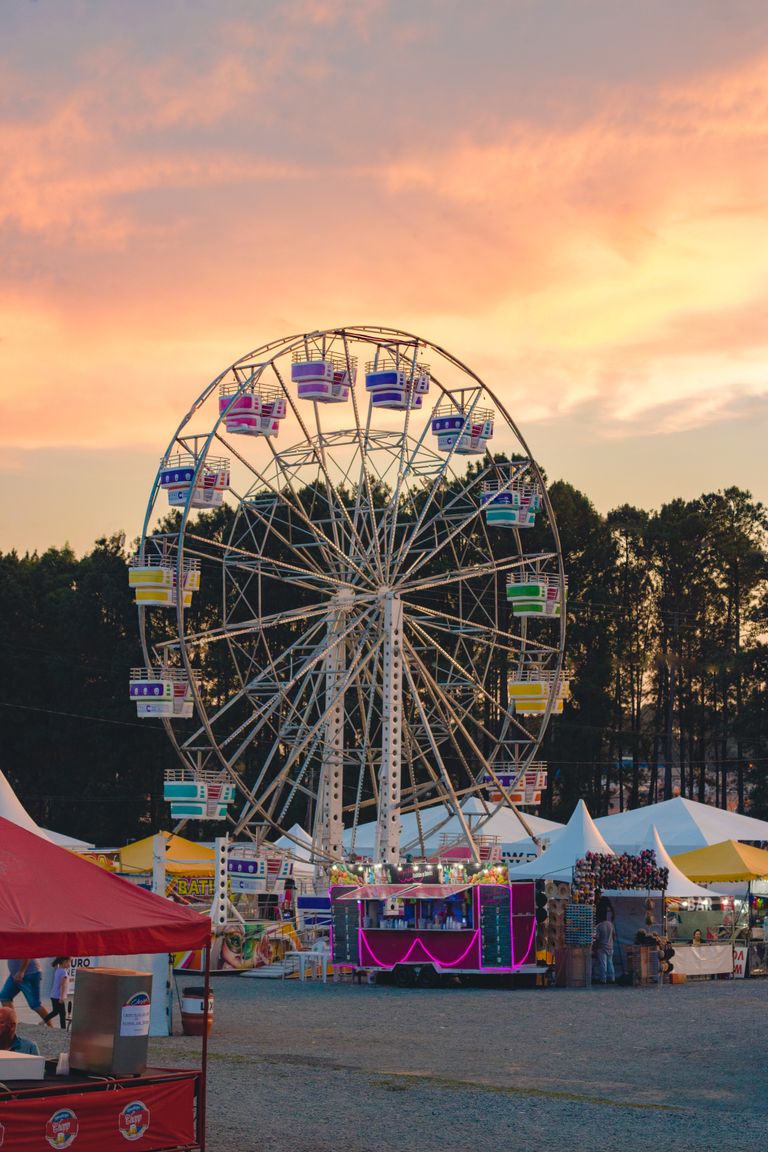
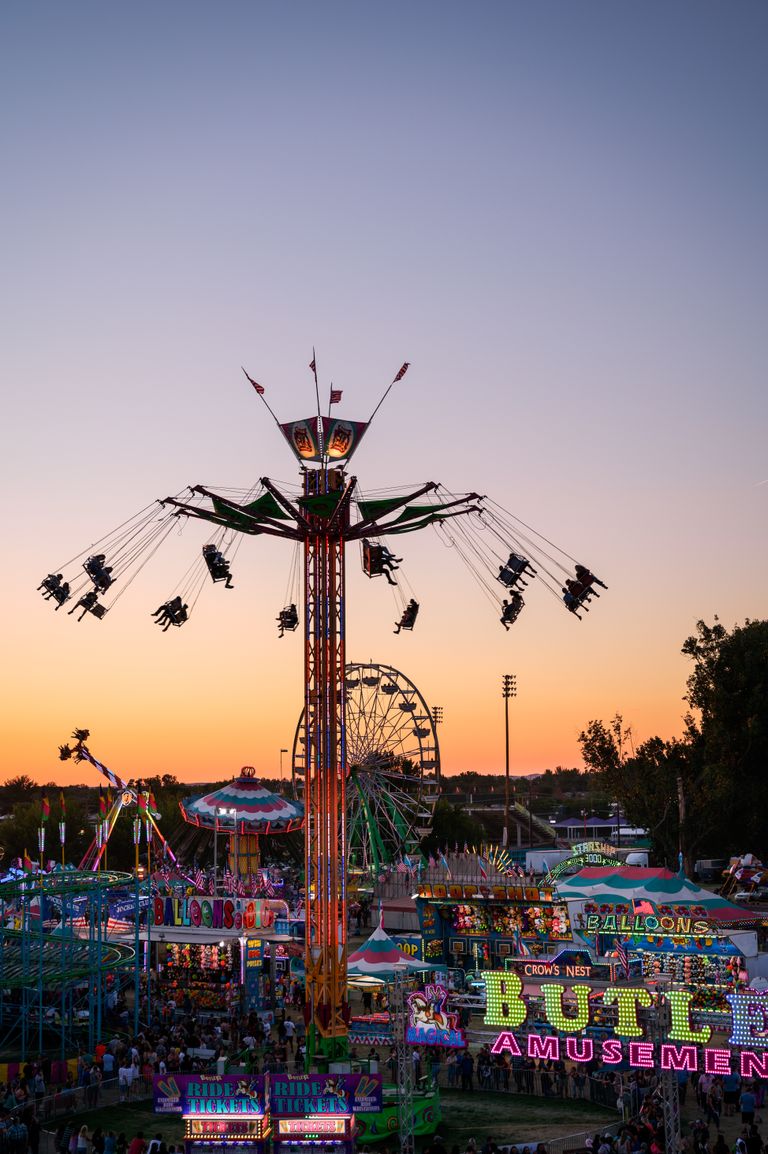
The fair’s entertainment offering varies from year to year. Visitors should check whether a traveling carnival is scheduled, which rides will operate, and whether individual ride tickets or all-day wristbands are available.
Fair food may include familiar midway choices such as funnel cakes, corn dogs, lemonade, and other concessions. The current vendor list is the best way to identify specific food stands and local organizations participating in a particular year’s fair.
Grandstand events and other special performances can draw visitors beyond the livestock and exhibit areas. Admission arrangements may differ between general fairground access and separately ticketed entertainment.
Admission and Parking
The 2026 fair schedule and admission arrangements should not be assumed to apply to 2027. Check the current fair information before budgeting for tickets, rides, or grandstand shows.
Visitors should confirm whether general admission is free or paid, whether entertainment requires separate tickets, and whether parking is included. Any special policies for children, older visitors, season passes, or ride wristbands should also be checked for the year of attendance.
Explore Winnebago County Iowa Fairgrounds Events for information about local fairs livestock shows agricultural exhibits and community events. Visitors can also discover Webster County Iowa Fairgrounds Events for additional county fair information.
Facilities and Grounds
The Winnebago County Fairgrounds provides space for agricultural exhibitions, livestock activities, outdoor entertainment, and the temporary facilities needed during fair week.

Exhibition Buildings and Livestock Areas
Exhibition areas support youth projects, judged displays, and livestock activities. Barn arrangements and access requirements depend on the species being shown and the current fair schedule. Exhibitors should use the official fair book to check animal arrival times, stall assignments, health documentation, and show-ring procedures.
The exact number of permanent buildings, their individual capacities, and any current construction or renovation plans should be confirmed with the fair association rather than estimated.
Grandstand, Parking, and Accessibility
The grounds accommodate outdoor entertainment and other scheduled activities. The availability of grandstand seating, accessible viewing areas, and specific arena facilities should be checked against the event being attended.
Before visiting, confirm the locations of public parking, accessible parking spaces, restrooms, and accessible routes. The fair’s traffic-flow information may be particularly helpful during livestock arrival periods and busy entertainment sessions.
Camping and RV arrangements should also be confirmed directly. Do not assume that overnight parking, electrical hookups, or public camping are available simply because the grounds host a multi-day fair.
Vendor and Exhibitor Information
Commercial Vendor Applications
Businesses, food operators, craft sellers, and community organizations interested in participating should contact the fair office about booth availability and application procedures.
Ask about the following before applying:
- Available indoor and outdoor spaces.
- Application deadlines and booth fees.
- Electricity, water, and food-service requirements.
- Insurance, permits, and safety requirements.
- Setup and teardown times.
- Rules governing signage, sales, and vehicle access.
Vendor availability, prices, and deadlines may change annually. An application should not be considered accepted until the fair association confirms the booking.
Competitive Exhibit Entries
Youth and other eligible exhibitors should consult the current fair book for project categories, entry instructions, judging criteria, and drop-off times. The fair book is especially important for livestock because animal identification and certification deadlines can fall well before fair week.
Keep a copy of the entry confirmation and any required health or eligibility documents. If an exhibit category is unclear, contact the fair office or the Winnebago County Extension office before the deadline.
Getting to Winnebago County Fairgrounds
Driving Directions
Thompson is in north-central Iowa, and the fairgrounds are on the south side of town at 264 Fairgrounds Drive. Visitors travelling from Forest City, the Winnebago County seat, can plan a route toward Thompson using the regional highway network.
From surrounding communities, including Lake Mills, Buffalo Center, and Mason City, drivers should use current navigation directions to reach Thompson and then follow local directions to Fairgrounds Drive. Exact turn-by-turn instructions depend on the starting point and road conditions.
Public Transportation and Rideshare
Public transportation and dedicated fair-week shuttle service have not been confirmed. Visitors should arrange their own transportation unless the organizers announce a shuttle or other service.
Rideshare availability may be limited in a small community such as Thompson. Anyone arranging a drop-off should follow the temporary traffic signs and directions issued by fair staff rather than blocking livestock access or emergency routes.
4-H and FFA at Winnebago County Fairgrounds
Youth development is central to the county’s agricultural fair tradition. Iowa State University Extension and Outreach in Winnebago County provides guidance on 4-H programming, exhibitor requirements, animal identification, and educational opportunities.
Winnebago County has a documented history of youth agricultural clubs. The county’s 4-H history records boys’ club activities beginning in 1919, girls’ club work beginning in 1925, and an early county club show in 1927. These activities helped establish the educational foundation for later livestock exhibitions and youth project displays.
Livestock Identification and Certification
For the 2026 fair, Extension published specific deadlines for identifying different animal species and required Youth for the Quality Care of Animals (YQCA) certification for certain 4-H and FFA exhibitors in grades 4–12 showing covered livestock and small animals.
Those dates should not be reused automatically for 2027. Exhibitors must follow the applicable year’s instructions, including any changes to identification systems, health documentation, or certification requirements.
Junior Livestock Sales and Youth Recognition
Livestock sales, where scheduled, give eligible young exhibitors an opportunity to present their projects to buyers and supporters. Buyers may include local businesses, agricultural producers, families, and community members.
The sale format, eligible animals, bidding procedures, payment arrangements, and distribution of proceeds depend on the current rules. Families should confirm whether a particular project is eligible for sale and whether proceeds go to the exhibitor, project expenses, or another designated purpose.
FFA participation and individual school chapters should be confirmed through the current fair book and local agricultural education programs rather than assumed from a list of nearby schools.
Special Events Beyond the Annual Fair
The fairgrounds’ primary documented role is hosting the annual county fair and its agricultural, educational, and entertainment activities. Additional events may take place when organizers arrange them, but a permanent annual schedule for separate gun shows, flea markets, motocross events, or holiday festivals has not been established here.
Community organizations interested in holding a fundraiser, exhibition, meeting, or other gathering should ask the fair office about rental opportunities. The organizers can explain which buildings or outdoor areas are available, what equipment is provided, and whether the proposed activity meets venue requirements.
History of Winnebago County Fairgrounds
Winnebago County’s fair tradition developed alongside the county’s agricultural and youth education programs. Historical records of the county’s 4-H program show that organized livestock and household-project exhibitions were already taking shape during the 1920s.
The first county club show recorded in the county’s 4-H history took place in 1927, featuring 24 animals and 200 household exhibits. The account records attendance of approximately 2,000 people, illustrating the public interest in youth agricultural education at that time.
By the middle of the twentieth century, livestock facilities and organized youth programming had become more established. The county history records the construction of a livestock building and show ring in 1955.

These records help explain why livestock judging and youth projects remain important to the modern fair. However, the early dates above refer to documented youth-club exhibitions; they should not be treated as proof of the exact year the current fairgrounds were established.
A complete timeline of the present site’s construction, notable attendance records, cancellations, and major renovations requires further confirmation from local historical records or the fair association.
Frequently Asked Questions
When is the Winnebago County Fair in 2027?
The fair traditionally takes place in July. The 2026 fair ran July 15–19, but the confirmed 2027 dates should be obtained from the fair association before travel arrangements are made.
What time do the Winnebago County Fairgrounds open?
Opening times vary by day and activity. Check the current daily schedule for public access, livestock shows, exhibit buildings, carnival rides, and grandstand performances.
Is camping available at Winnebago County Fairgrounds?
Current public camping availability and RV facilities have not been confirmed. Contact the fair office before bringing a camper or planning an overnight stay.
How do I enter livestock in the Winnebago County Fair?
Review the current fair book and contact Winnebago County Extension for 4-H and FFA identification, certification, health requirements, and entry deadlines. Some animal identification deadlines occur months before fair week.
Are dogs allowed at Winnebago County Fairgrounds?
Check the current fair rules before bringing a pet. Livestock areas can have additional restrictions, and service-animal policies may differ from ordinary pet rules.
Where do I park at Winnebago County Fairgrounds?
Use the designated parking areas and follow temporary signs and staff instructions. Confirm accessible parking locations and any special traffic arrangements before arriving during busy events.
Who do I contact to rent Winnebago County Fairgrounds?
Contact the fair office at 641-584-2011 to ask about facility availability, rental conditions, and the appropriate procedure for booking an event.
How much does admission to the Winnebago County Fair cost?
Admission and grandstand ticket arrangements may change each year. Check the current fair schedule for general admission, ride wristbands, entertainment tickets, and any applicable discounts.
Where can I find the Winnebago County Fair schedule and fair book?
The official fair website provides annual schedules and visitor information. Iowa State University Extension and Outreach in Winnebago County provides fair books and youth exhibitor guidance.
What kinds of exhibits can children enter?
Depending on eligibility and the current rules, children may be able to enter livestock, photography, art, woodworking, food, sewing, gardening, and other educational projects. The current fair book identifies eligible classes and entry procedures.
Is there a carnival at the Winnebago County Fair?
A carnival may be part of the annual fair, but the rides, operating hours, ticket options, and wristband availability should be checked in that year’s entertainment schedule.
One Comment