Randolph County Arkansas Fairgrounds Events
The Randolph County Fairgrounds in Pocahontas, Arkansas, are a gathering place for agricultural exhibitions, youth competitions, livestock shows, rodeo events, carnival entertainment, and community activities. The annual Randolph County Fair brings together families, farmers, 4-H and FFA participants, exhibitors, local organizations, and visitors from across northeast Arkansas.
Unlike a venue that operates mainly as a concert or sports facility, the Randolph County fairgrounds support several sides of rural community life. Livestock exhibitions and youth projects sit alongside pageants, crafts, agricultural displays, carnival rides, and arena events. The fair’s schedule also creates opportunities for people to participate directly, whether by entering an exhibit, showing an animal, volunteering, or supporting young exhibitors through a livestock or scholarship auction.
The grounds are in Pocahontas, the county seat of Randolph County. The fair’s published mailing address is 2204 Thomasville Avenue, Pocahontas, Arkansas 72455. Visitors planning a trip should verify event-specific entrance and parking instructions before leaving home, especially when attending a rodeo, livestock show, or other activity with its own ticketing arrangements.
The most recently published annual fair dates were August 24–29, 2026. Those dates have passed, and confirmed dates for the 2027 fair should be checked with the organizers rather than assumed from the previous year’s calendar.
Overview of Randolph County Fairgrounds
Location in Pocahontas, Arkansas
Randolph County Fairgrounds are associated with Pocahontas, a northeast Arkansas community near the Missouri state line. Pocahontas serves as the county’s main government and service center, making it a natural gathering point for agricultural, educational, and community events.
The fair’s published address is 2204 Thomasville Avenue, Pocahontas, AR 72455. The fair office uses the same address for correspondence. Because a mailing address does not always identify the correct gate for every activity, livestock exhibitors and rodeo attendees should review the instructions issued for their specific event.
US Highway 67 and US Highway 62 are important regional routes for reaching Pocahontas. The most suitable final approach depends on the traveler’s starting point and the gate designated for the event.
Who Organizes the Randolph County Fair?
The Randolph County Fair is managed by a fair board and associated event organizers. The board’s stated mission includes promoting agriculture, supporting youth development, encouraging community spirit, and providing a safe setting for residents to exhibit their work and enjoy local entertainment.
The fair’s board includes officers and members responsible for the event’s organization. Livestock shows, rodeos, pageants, educational exhibits, and other activities may also involve their own committees, volunteers, and specialist organizers.
The University of Arkansas System Division of Agriculture’s Cooperative Extension Service has a Randolph County office in Pocahontas. The Extension Service provides agricultural education and 4-H youth development support, making it an important local resource for families interested in agricultural projects and youth participation. The fair board and Extension office have related but distinct responsibilities; visitors should contact the appropriate organization for questions about a particular competition.
How Long Has the Fair Been Operating?
The fair board has described the Randolph County Fair as celebrating its 102nd year during the 2025–2026 period. That places its tradition in the early decades of the twentieth century, although an exact founding date should not be inferred without a dated historical record.
The longevity of the fair reflects its role as more than a few days of entertainment. It provides a recurring public setting for livestock exhibitors, craft makers, youth competitors, agricultural families, and community groups to share their work with the wider county.
Why the Fairgrounds Matter Locally
For Randolph County residents, the fair connects agricultural skills with public celebration. A young exhibitor can spend months preparing an animal or educational project before presenting it during fair week. Local residents can see livestock, attend a rodeo, view arts and crafts, or support scholarship fundraising without traveling to a major metropolitan event.
The fair also brings together people from Pocahontas and smaller communities throughout Randolph County. Its combination of agricultural activities and family entertainment helps preserve local traditions while giving younger participants opportunities to develop confidence, responsibility, and practical skills.
Upcoming Events at Randolph County Fairgrounds
The 2026 Fair and the Next Annual Schedule
The Randolph County Fair was scheduled for August 24–29, 2026. As of October 2026, that event has concluded. No confirmed 2027 dates should be published until the fair board announces them.
The most reliable way to plan around upcoming events is to consult the fair’s current calendar, annual catalog, livestock information, and event-specific announcements. The Randolph County Cooperative Extension office can help with questions related to 4-H and agricultural education, but not every fair activity is managed by Extension.
The annual calendar can include events scheduled before the fair itself, such as livestock tagging, entry deadlines, poultry testing, pageant registration, and educational exhibit registration. These dates matter to participants who need to prepare weeks or months in advance.
Events Associated With Fair Week
The Randolph County Fair’s published programs have included:
- Junior and open livestock shows.
- Beef and dairy cattle competitions.
- Goat, sheep, swine, poultry, and rabbit exhibitions.
- Horse and pony activities.
- Junior rodeo and regular rodeo performances.
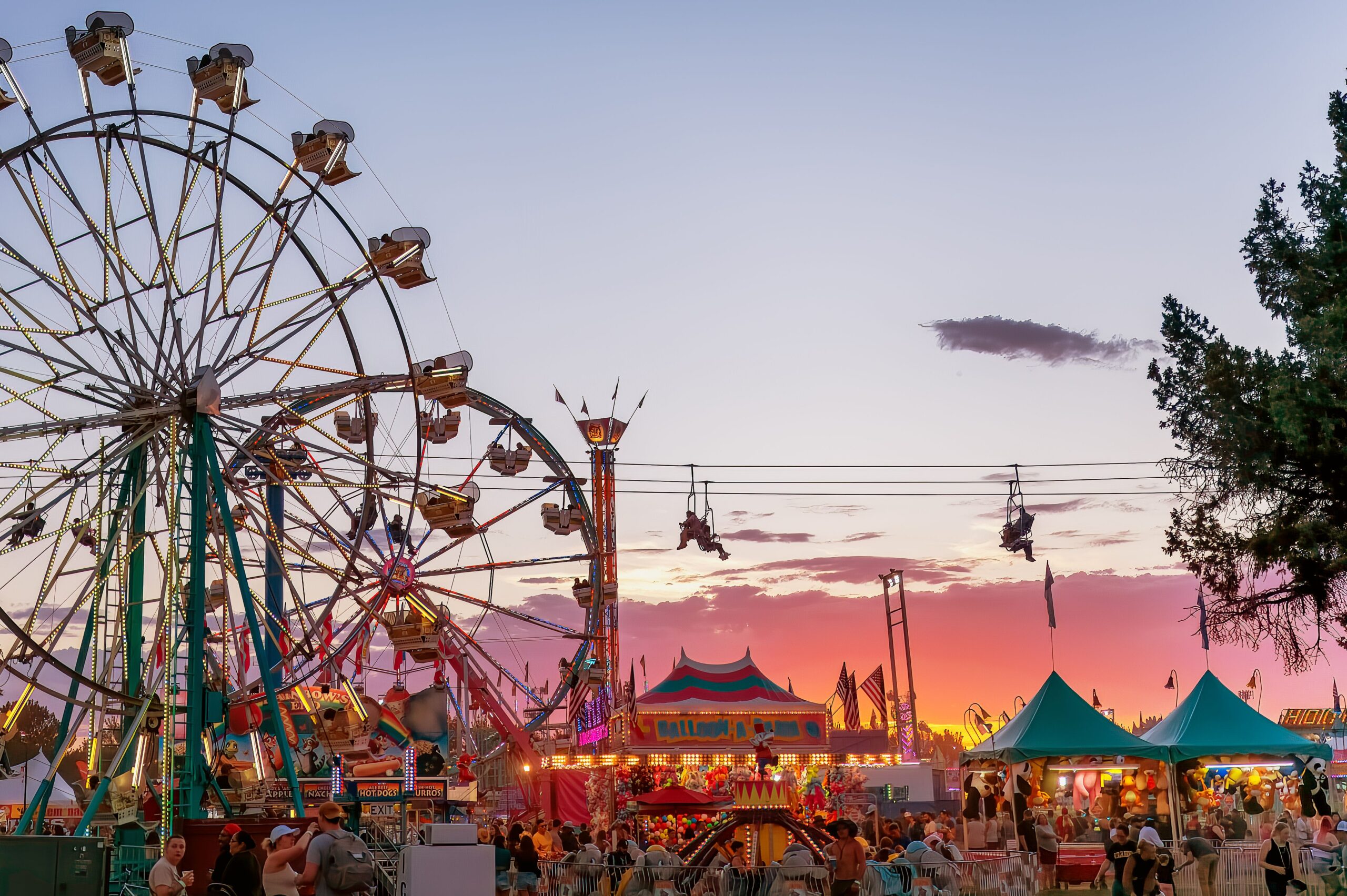
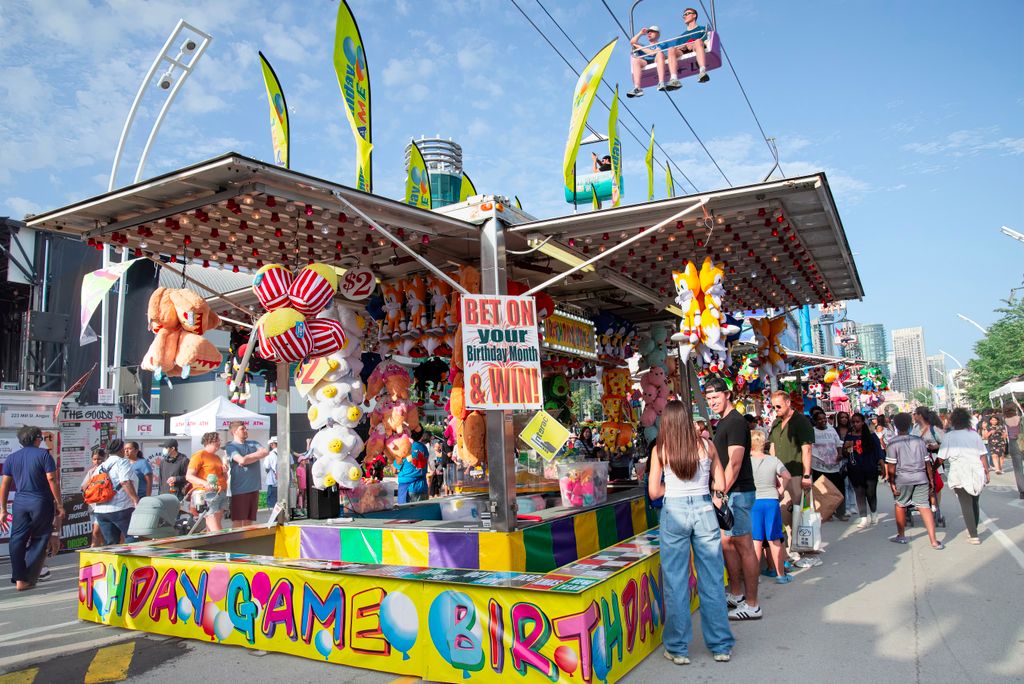
- Carnival rides and midway entertainment.
- Livestock and scholarship auctions.
- Produce, culinary, photography, horticulture, craft, and educational exhibits.
- Fair pageants and rodeo queen competitions.
- Agricultural demonstrations and family activities.
- Truck and tractor pulling and other arena attractions when scheduled.
These are examples of activities documented in the fair’s programming, not a guarantee that every event will return each year. The current catalog is the best guide to confirmed competitions, locations, entry deadlines, and times.
Visitors exploring Randolph County Arkansas Fairgrounds Events can also discover community celebrations through Pulaski County Arkansas Fairgrounds Events. Exploring both counties allows visitors to learn about local traditions, discover seasonal gatherings, and enjoy regional activities throughout Arkansas.
Seasonal Activities and Facility Rentals
The clearest recurring event period is the late-summer county fair. Preparations begin earlier, with entry deadlines, animal identification and tagging, pageant applications, and exhibit registration taking place before fair week.
The fairgrounds also have arena and livestock facilities used for scheduled activities. However, a comprehensive public rental schedule, a list of private-event packages, and a complete year-round calendar for outside groups should not be assumed. Anyone seeking to rent space for a private event, meeting, show, or fundraiser should contact the fair organization to ask about availability, permitted uses, fees, insurance, and setup requirements.
The Randolph County Fair Itself
Fair Dates and Daily Planning
The 2026 Randolph County Fair ran from August 24 through August 29. The schedule included events spread across the week, with livestock-related activities, educational exhibits, pageants, and rodeo performances assigned to particular days.
The fair is not simply one continuous midway program. Some competitions require early registration, animal check-in, or specific arrival times. Other attractions may be scheduled for evening attendance. Visitors interested in a particular show should check its individual schedule rather than assume that all activities run throughout the day.
The 2027 calendar should be verified when the fair board releases it. Past dates provide useful context, but they do not establish the next year’s official schedule.
Livestock Shows and Agricultural Exhibitions
Livestock competitions are an important part of the Randolph County Fair. Published fair information identifies divisions and rules for beef cattle, dairy cattle, goats, horses and ponies, poultry and rabbits, sheep, and swine.
These shows give exhibitors an opportunity to present animals, demonstrate preparation and care, and compete under the fair’s rules. Each species can have different requirements for identification, health documentation, classification, check-in, showmanship, and release.
Anyone entering livestock should read the current rules and catalog carefully. A participant should not rely on last year’s weighing time, entry deadline, or animal-health requirements without confirming that the same rules apply in the current year.
Produce, Crafts, Photography, and Home Exhibits
The fair’s non-livestock exhibits provide opportunities for people who work in gardening, cooking, crafts, photography, horticulture, and other creative or practical fields.
The June Simington Building is associated with educational exhibits and a range of competitive entries. Published categories have included art, baked goods, clothing, field crops, flowers, preserved foods, garden and orchard products, household arts, photography, youth crafts, and educational booths.
These categories make the fair relevant to residents who do not raise livestock. Exhibitors should check the relevant rules for class definitions, entry limits, judging criteria, setup times, and collection of items after judging.
Carnival Rides and Midway Entertainment
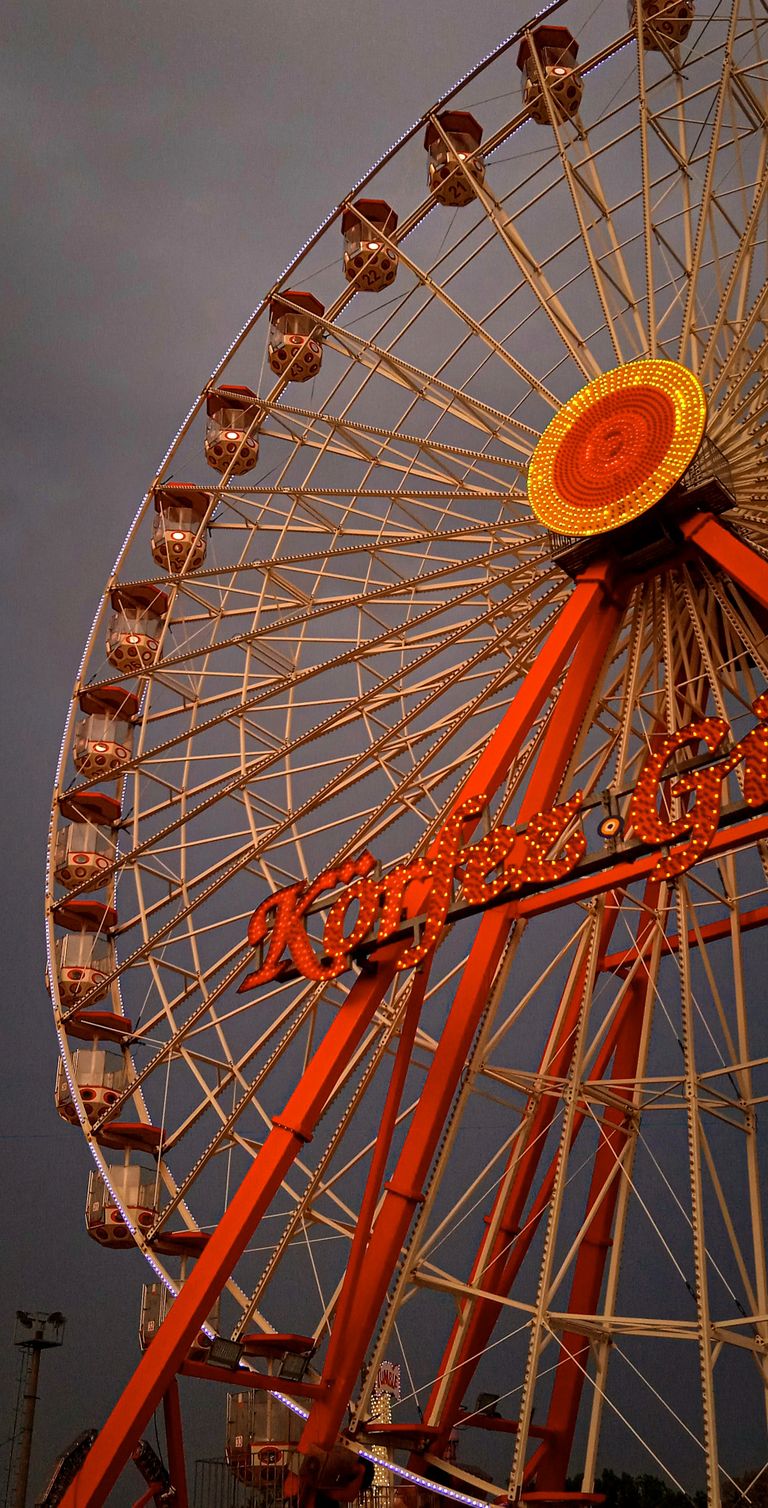
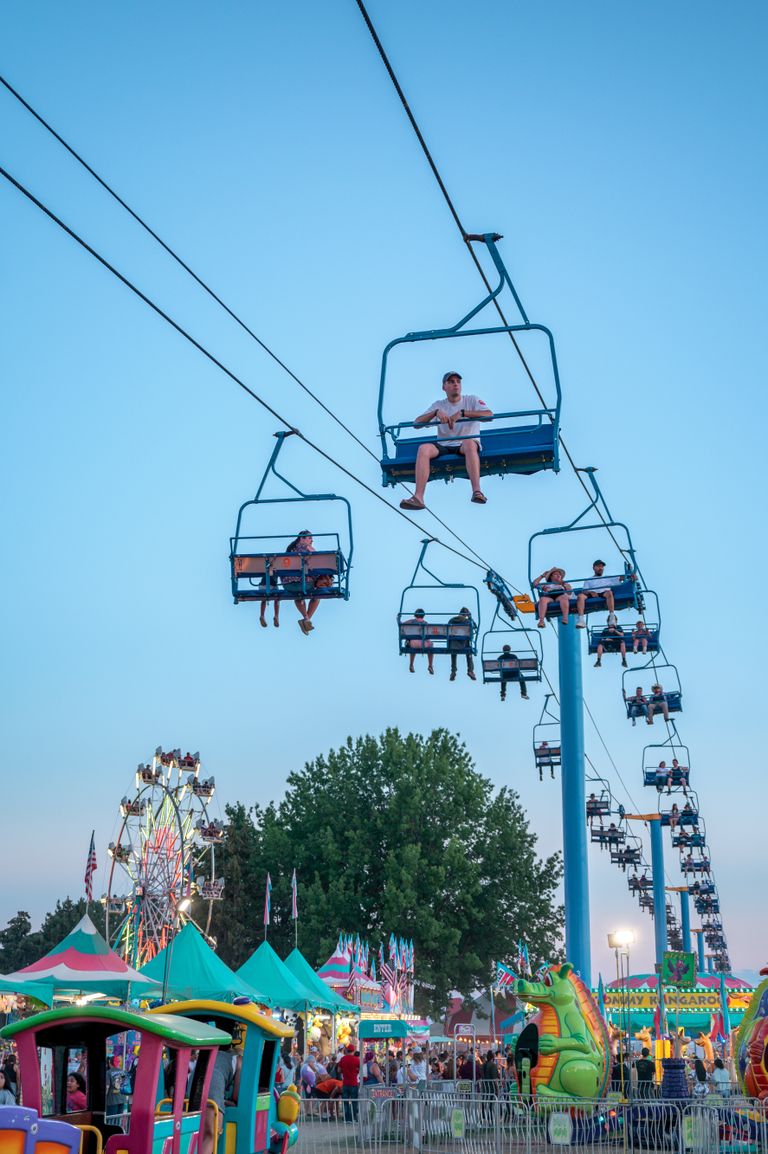
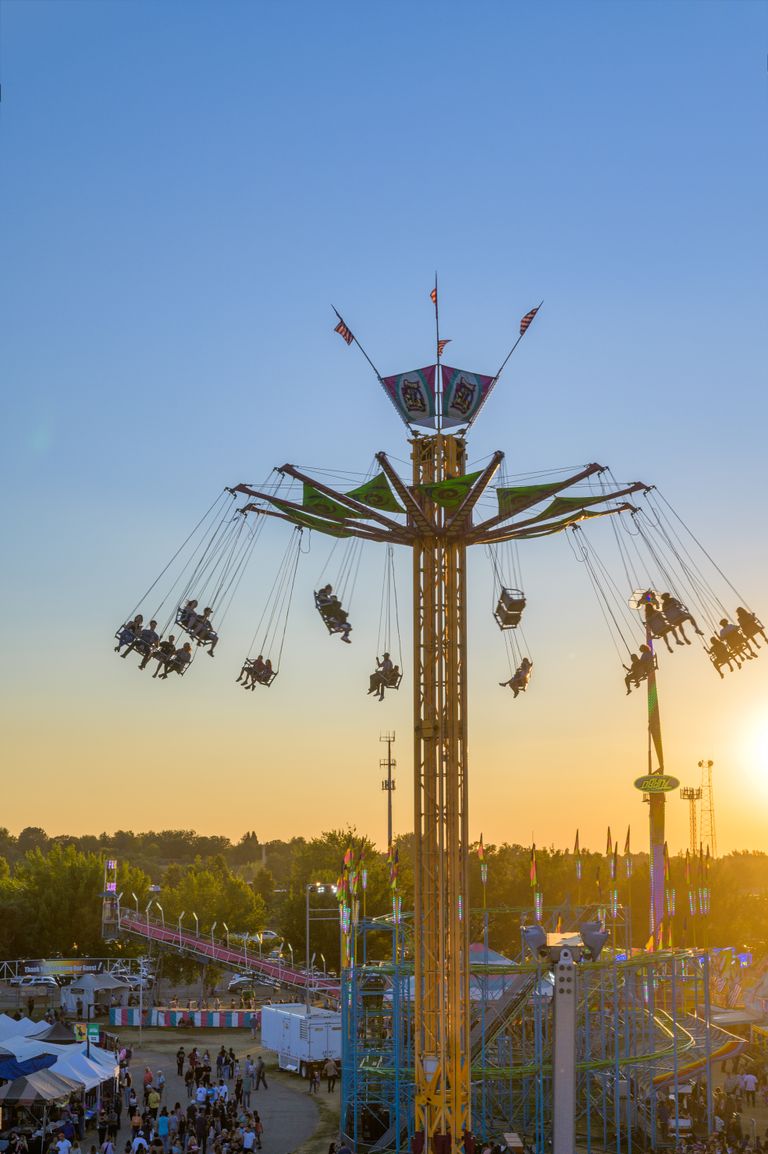
Carnival rides add a family-entertainment element to fair week. The ride lineup, operating hours, height restrictions, ticket arrangements, and any wristband deals depend on the carnival operator and the year’s contract.
Visitors should confirm which days the midway is open and whether rides require individual tickets, ride credits, or an unlimited-use wristband. The general fair schedule and the carnival schedule may not be identical.
No single ride count or standard wristband price should be treated as permanent. Families planning around carnival attractions should check the current announcement and budget separately for rides, games, food, and merchandise.
Rodeo and Arena Events
Rodeo performances are a recognized part of the Randolph County Fair program. The 2026 schedule listed a junior rodeo on August 25 and rodeo performances on August 28 and 29.
The fair’s rodeo information stated that armbands were sold for the evening performances and that attendees needed to wear them before entering the arena. It also stated that there was no general admission charge at the front gate for the rodeo arrangement, with armband sales helping cover year-round expenses.
These conditions apply to the published rodeo information and should not be generalized to every activity at the grounds. Prices, entry procedures, weather policies, and performance times should be checked for the next event.
Junior Fair and Youth Competitions
Youth participation is a major feature of the Randolph County Fair. The program has included 4-H and FFA livestock activities, showmanship, a livestock quiz bowl, and youth agricultural contests.
These competitions reward preparation and knowledge, not only the final result in the show ring. Young participants learn animal care, recordkeeping, presentation, sportsmanship, and how to communicate with judges and buyers.
The fair also supports youth through scholarship-related activities. Families should check the annual rules to understand eligibility, deadlines, required documentation, and the relationship between specific auctions and scholarship fundraising.
Admission, Parking, and Ticket Costs
Ticketing can differ between the fair’s general grounds, the carnival, and ticketed arena performances. The published rodeo arrangements for 2026 used armbands for admission to the rodeo, while the general fair’s current admission policies should be confirmed separately.
Do not assume that every activity is free, that a ride wristband includes all attractions, or that a rodeo ticket grants access to every fair feature. Parking charges, discounts for children or seniors, and season-pass availability should also be verified for the year of attendance.
Facilities and Grounds
Livestock Areas and Show Rings
The fairgrounds include livestock and show facilities used for animal exhibitions. Official fair information references a poultry barn, a small show arena, and an arena used for rodeo activities.
These facilities support different purposes: animal housing and preparation, judging and livestock presentations, and spectator events. Exhibitors should follow the instructions for their particular species and show division rather than assume every barn or arena serves every competition.
Specific stall dimensions, stall-rental fees, building capacities, and the complete number of permanent structures are not confirmed here. Livestock exhibitors should ask the show chair or fair office for current facility arrangements.
June Simington Building
The June Simington Building is used for educational and competitive exhibits. Its published program includes categories such as arts, baking, photography, flowers, field crops, preserved foods, household arts, and youth crafts.
The building’s schedule can change across fair week to accommodate item check-in, judging, public viewing, and pickup. Exhibitors should pay close attention to the published collection window; leaving an entry behind can create difficulties for both the exhibitor and event staff.
Arena and Spectator Events
The arena supports rodeo and other scheduled activities. Events may have separate entry arrangements, armband requirements, animal-health rules, or designated gates for contestants.
The fair has also featured tractor-related competitions and other public attractions in its programs. Visitors should consult the annual schedule to determine which events are taking place and where spectators should enter.
Camping, Accessibility, and Amenities
Visitors should not assume that the grounds provide public RV hookups, overnight camping, or a full-service campground. Confirm camping permissions, electrical access, water, restroom availability, and any restrictions with the fair organization before bringing an RV or trailer.
Likewise, accessible parking, paved routes, seating, and restroom access can vary by facility and event setup. Guests with mobility requirements should ask about the most appropriate entrance and the route to the building or arena they plan to visit.
The published information reviewed does not establish a complete inventory of on-site ATMs, first-aid stations, permanent concession stands, or parking capacity. During large events, parking and visitor services may be organized differently from ordinary days. Follow event signage and instructions from staff.
Vendor and Exhibitor Information
Commercial Vendors and Booth Applications
Vendors interested in participating should contact the fair organization to ask whether commercial booth spaces are available for the next fair. Confirm the application deadline, booth fee, permitted products, setup and teardown times, electrical access, insurance requirements, and payment terms before making arrangements.
The presence of craft and commercial activity at the fair does not mean that every type of vendor is automatically eligible. Organizers may have rules concerning product categories, booth placement, food sales, and safe operation around livestock or public walkways.
Entering Competitive Exhibits
The annual fair catalog is the key planning document for competitive entries. It outlines the available divisions and the rules exhibitors must follow. The fair has maintained catalog information for multiple years, including a 2026 catalog.
For livestock entries, participants should check identification and health requirements, entry deadlines, check-in procedures, show order, and any charges for late entries. The published 2026 registration system stated that livestock entries made on show day could incur a per-head fee, while entries submitted before the scheduled show day remained free under that system. The current catalog must be checked for any future fee or rule changes.
For crafts, baked goods, produce, photography, educational displays, and other exhibits, the rules may specify entry classes, dimensions, preparation standards, setup windows, and pickup times.
Contacting the Fair Organization
The fair’s published correspondence address is Randolph County Fair, P.O. Box 398, 2204 Thomasville Avenue, Pocahontas, AR 72455.
For questions about the fair calendar, exhibits, livestock, rodeo, or vendor participation, contact the fair organization through its current public contact information. For questions specifically about 4-H enrollment and agricultural education, the Randolph County Cooperative Extension office is located at 2500 US Highway 62 West, Pocahontas, Arkansas 72455, and can be reached by phone at (870) 892-4504.
Getting to Randolph County Fairgrounds
Driving From Pocahontas and Nearby Communities
Pocahontas is the most direct reference point for the fairgrounds because the venue is located within the county seat. Visitors already in town should use the event’s confirmed address and follow signs or staff directions to the designated parking and entrance areas.
US Highway 67 and US Highway 62 are major routes serving Pocahontas and the wider northeast Arkansas region. Travelers arriving from other communities should use a current navigation service for the final approach, then check fair-specific instructions if livestock trailers, rodeo contestants, or event traffic are involved.
Parking and Drop-Offs
Parking arrangements can differ between ordinary visits and busy fair days. Arrive early for popular evening events and allow time to walk from the parking area to the relevant building or arena.
Rideshare drop-off locations and any temporary traffic controls should be confirmed locally. Drivers transporting livestock or equipment should use the entrance designated by the organizers rather than the general visitor route.
Public Transportation
A dedicated public transit service or fair-week shuttle has not been confirmed for the grounds. Visitors should plan their transportation in advance and avoid relying on a shuttle unless it has been specifically announced for the event.
4-H and FFA at Randolph County Fairgrounds
The Cooperative Extension Service and 4-H
The University of Arkansas System Cooperative Extension Service serves Randolph County residents with agricultural education, youth development, and other practical programs. Its local office can help families find out about 4-H opportunities and relevant educational resources.
At the fair, youth agricultural activities have included livestock shows, showmanship, and quiz-bowl competitions. The precise number of active 4-H clubs and the full list of participating FFA chapters are not established here, so families should ask the local Extension office or their school agricultural educators for current information.
Livestock Sales and Scholarship Support
Livestock-related sales provide an opportunity for buyers and community members to support youth exhibitors. The fair’s published information has included a Blue Ribbon Sale and a scholarship auction associated with livestock activities and awards.
A livestock sale may involve buyers bidding on eligible animals or sale lots under the rules of the specific event. A scholarship auction can operate differently, with donated items or other fundraising arrangements supporting educational opportunities. Buyers should read the current sale rules so they understand what is being sold, how payment works, and whether an animal will remain with the exhibitor or be transferred to the buyer.
Anyone interested in bidding should contact the fair organization before the event to ask about registration, payment, buyer eligibility, and the sale order.
Special Events Beyond the Annual Fair
The Randolph County Fair program has included activities beyond traditional livestock judging. Depending on the year, visitors may find rodeo performances, pageants, craft exhibitions, educational booths, car displays, agricultural demonstrations, family activities, and truck or tractor pulling.
These events should not be treated as a year-round schedule of independent shows. A particular attraction may appear only during fair week or return according to organizer availability.
For outside events such as swap meets, flea markets, private shows, concerts, or fundraisers, visitors and event promoters should confirm whether the grounds are available for rental. A public record of one event does not establish that the fairgrounds are open for every type of private gathering.
History of Randolph County Fairgrounds
The Randolph County Fair has a long-standing role in the region’s agricultural and community life. The fair board’s description of the event as celebrating its 102nd year during the 2025–2026 period indicates a tradition reaching back to the early twentieth century.
Over time, the fair has maintained agricultural competitions while incorporating additional activities that appeal to a wider audience. Livestock exhibitions and youth projects remain central to its identity, while rodeos, pageants, crafts, educational displays, and carnival attractions give visitors several ways to participate.
The fair also provides a setting for recognition and fundraising. Awards acknowledge exhibitors’ work, while livestock sales and scholarship-related events can help connect young participants with community members who value agricultural education.
A detailed year-by-year account of construction projects, attendance records, past cancellations, or individual historical milestones would require additional records from the fair board and local archives. Those details should not be guessed from the age of the event alone.
Frequently Asked Questions
When is the Randolph County Fair in Arkansas?
The 2026 Randolph County Fair was scheduled for August 24–29, 2026. Those dates have passed. Visitors should confirm the official 2027 schedule with the fair organization when it is announced.
What time do Randolph County Fairgrounds open?
Opening times depend on the event and activity. Livestock check-in, exhibit viewing, rodeos, and other attractions may have separate schedules. Check the current fair calendar or event instructions before arriving.
Where are Randolph County Fairgrounds located?
The fair’s published address is 2204 Thomasville Avenue, Pocahontas, Arkansas 72455. Confirm the designated entrance for your event, particularly if you are bringing livestock or attending a rodeo.
Is there camping at Randolph County Fairgrounds?
Public RV camping and overnight hookups have not been confirmed. Contact the fair organization before planning to camp or park an RV overnight.
How do I enter livestock in the Randolph County Fair?
Review the current livestock rules and catalog, complete the required entry process, and follow the deadlines for identification, health documentation, check-in, and show participation. Ask the relevant show chair if you are unsure which division applies.
Are dogs allowed at Randolph County Fairgrounds?
A current general pet policy has not been confirmed. Check with the organizers before bringing a dog. Livestock areas and crowded events may have additional restrictions, and service-animal access should be discussed with the event staff if you need specific guidance.
Where do I park at Randolph County Fairgrounds?
Use the parking area designated for the event and follow temporary signs or staff directions. Parking arrangements may change during fair week, especially around the arena and livestock facilities.
Who do I contact to rent Randolph County Fairgrounds?
Contact the Randolph County Fair organization to ask about facility availability, rental fees, permitted event types, insurance, setup rules, and scheduling. Do not assume that all buildings or arena areas are available for private rental.
How much does it cost to attend the Randolph County Fair?
Admission and activity costs depend on the event. The published 2026 rodeo information described a front gate without general admission charges for that arrangement, with rodeo armbands sold separately. Confirm the current policy for the fair, carnival, and individual shows.
Does the Randolph County Fair have a livestock auction?
The fair has published information about livestock sales and scholarship-related auctions. The exact sale schedule, eligible entries, bidding process, and payment rules should be checked in the current year’s catalog and announcements.
Are carnival rides available at the fair?
Carnival rides have been part of the fair’s program, but operating days, ride selection, prices, and wristband offers can change each year. Confirm the current midway schedule before visiting specifically for rides.
How can I enter crafts, baked goods, photography, or produce exhibits?
Consult the current fair catalog for eligible categories, entry deadlines, judging rules, and delivery and pickup times. The June Simington Building has been used for educational and competitive exhibits, including crafts, photography, baked goods, horticulture, and related categories.

One Comment