Ottawa County Kansas Fairgrounds Events
The Ottawa County Fairgrounds are an important gathering place for agricultural education, youth achievement, and community activities in Ottawa County, Kansas. The county’s annual fair gives 4-H members, livestock exhibitors, families, and local residents an opportunity to share the results of their work throughout the year.
The Ottawa County Fair is associated with the Minneapolis area, the county seat in north-central Kansas. The fair is coordinated through the Kansas State University Research and Extension system’s Central Kansas District, with local volunteers, fair superintendents, and participating families helping organize competitions and activities.
The fairgrounds serve a different purpose from an ordinary public park. Livestock preparation, exhibit judging, animal care, educational activities, and the movement of equipment all require practical facilities and careful scheduling. During fair week, the grounds become a meeting place for families whose children have spent months preparing projects for public judging.
Exact facility acreage, the complete street address, building inventory, and the history of individual structures should be confirmed with the local fair organizers before visitors rely on those details. Ottawa County’s fair information is published through the Central Kansas District Extension office, which provides schedules, entry instructions, and livestock-related forms.
Upcoming Events at Ottawa County Fairgrounds
The main annual attraction is the Ottawa County Fair, but preparations begin well before the public fair week. Youth members attend educational meetings, complete project records, prepare animals, and meet required deadlines for entries and livestock identification.
Events and activities throughout the year

The activities associated with Ottawa County’s fair program include:
- 4-H and FFA project exhibitions and judging.
- Livestock preparation, skill-a-thon practice, and animal identification activities.
- Horse-related youth programming and educational sessions.
- General project judging and preparation for the annual fair.
- Volunteer meetings, junior fair board activities, and youth leadership programs.
These activities are not all public entertainment events. Some are scheduled training sessions, registration deadlines, or meetings intended for enrolled youth and volunteers.
Visitors looking for upcoming events should distinguish between the fair’s public schedule and the Extension office’s year-round calendar. Dates for individual competitions, entry deadlines, and livestock activities can change, so the published schedule for the relevant year should be checked before traveling.
Facility rentals, private celebrations, flea markets, concerts, rodeos, and other commercial events should not be assumed to take place at the Ottawa County Fairgrounds unless organizers confirm them. Anyone planning a private event should ask the fair administration whether space is available and what rental arrangements apply.
The Ottawa County Fair Itself
Ottawa County Fair Dates: July 14–18, 2026
The 2026 Ottawa County Fair was scheduled for July 14–18, 2026, with the theme “Stars, Stripes, and Summer Nights.” Those dates have passed; the 2027 schedule should be confirmed with the Central Kansas District Extension office rather than inferred from the previous year’s calendar.
The annual fair follows the summer agricultural-fair tradition in Kansas, bringing youth projects, animal exhibitions, educational activities, and community participation together during a concentrated period.
Livestock shows and competitive exhibits

Livestock and youth project competitions are central to Ottawa County’s fair program. Participants prepare their entries before fair week and follow the rules and deadlines specified in the current fair paper.
Depending on the year’s published classes, fair activities can include beef cattle, swine, sheep, goats, poultry, rabbits, and horse projects. General 4-H project judging may also cover foods, baking, photography, art, crafts, textiles, and other educational exhibits. The current Ottawa County fair paper determines the exact categories and judging arrangements.
Families should not assume that every livestock species or general exhibit category is offered every year. They should check the relevant entry information before preparing an exhibit.
Carnival rides, food, and entertainment
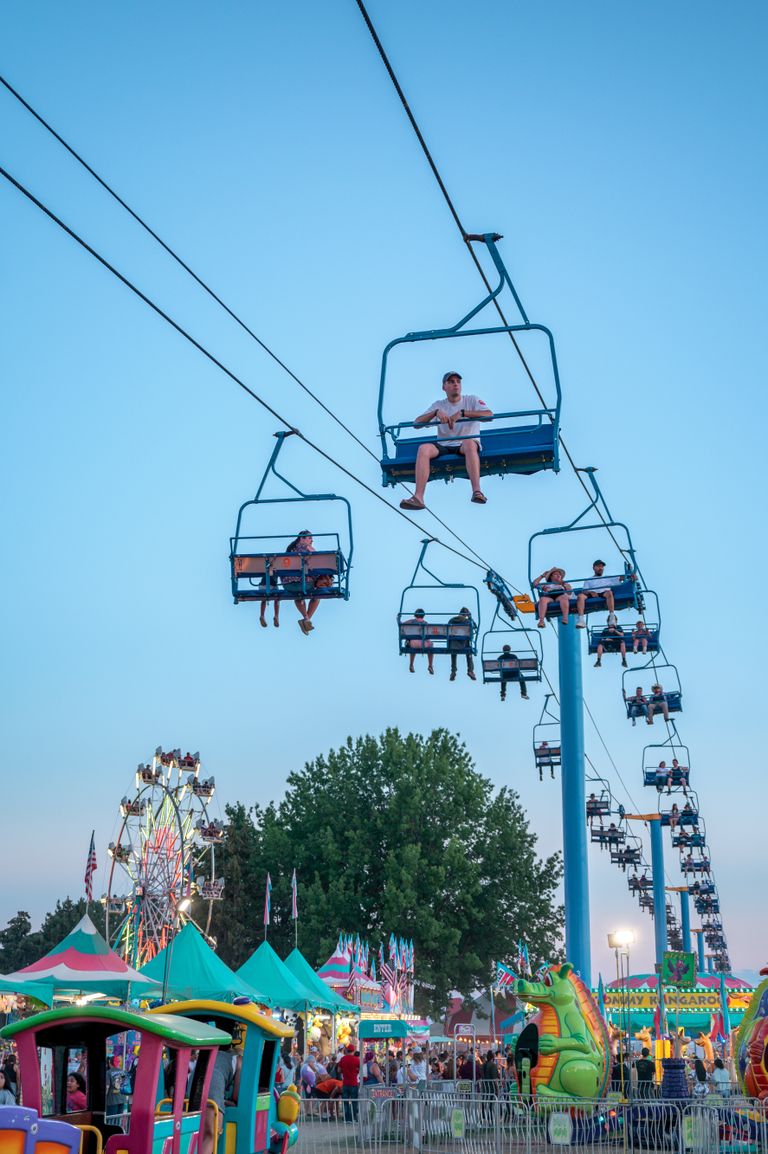
The availability of carnival rides, midway games, food concessions, grandstand entertainment, tractor pulls, or demolition derbies must be confirmed against the current event schedule. A county fair’s agricultural program does not automatically mean that every type of commercial midway attraction is present.
Visitors should also check whether particular activities require separate tickets, advance registration, or additional fees. No unverified admission price, ride wristband package, or concession price should be treated as current Ottawa County Fair information.
Youth programs and awards
The Ottawa County Fair gives young exhibitors a public setting in which to demonstrate practical skills, care for animals, and present projects they have developed over time. Families can follow the judging process and learn how youth projects are evaluated.
Any junior livestock sale, award ceremony, or special youth recognition event should be checked in the current fair paper. Sale eligibility, buyer registration, payment arrangements, and the portion of proceeds retained by exhibitors depend on the applicable rules.
Explore Ottawa County Kansas Fairgrounds Events for information about agricultural fairs livestock exhibitions vendor opportunities and local celebrations. Visitors can also check Osborne County Kansas Fairgrounds Events for more county fair details.
Facilities and Grounds
The fairgrounds must accommodate the practical needs of livestock exhibitors, project judging, volunteers, and visitors. However, a verified inventory of Ottawa County’s permanent buildings, total acreage, grandstand capacity, camping facilities, and parking spaces was not established from the available fair information.
Exhibition buildings and livestock areas
Livestock facilities support animal housing, preparation, and judging. Exhibitors should review species-specific instructions, stall requests, arrival windows, and animal health requirements before bringing animals to the grounds.
Indoor exhibition space is also important for judging non-livestock projects. The fair’s published instructions explain where projects must be submitted and when exhibitors can collect them after judging.
Parking, accessibility, and visitor amenities
Visitors should follow event-day parking instructions and any signs directing trailers, livestock vehicles, or general visitor traffic. Families attending with mobility needs should contact the fair organizers in advance to confirm accessible parking, routes between buildings, restroom access, and seating arrangements.
Do not assume that RV hookups, overnight camping, ATMs, a staffed first-aid station, or public shuttle services are available. These details should be verified for the particular event.
Vendor and Exhibitor Information
Commercial vendor applications
Businesses, food vendors, and community organizations interested in participating should ask the fair administration whether commercial spaces are available and which application applies. Booth availability, fees, electricity access, food-service requirements, insurance, setup times, and cleanup rules need to be confirmed individually.
A vendor should not assume that an entry form for a 4-H exhibit also serves as an application for a commercial booth.
Competitive exhibit entries
The Central Kansas District Extension office provides Ottawa County Fair information, including pre-entry instructions, fair papers, livestock stall requests, and judging resources. The 2026 fair information specified a June 15 pre-entry deadline for exhibits and livestock stall requests.
That deadline is historical, not a confirmed deadline for 2027. Future exhibitors should obtain the new year’s instructions before registering animals or preparing project submissions.
The Minneapolis Extension office can be reached at 315 W. 3rd, Minneapolis, KS 67467, or by telephone at 785-392-2147. Fair-specific questions can also be directed to the local fair contact listed in the current county-fair information.
Getting to Ottawa County Fairgrounds
Minneapolis is the county seat of Ottawa County and the main reference point for visitors planning a trip to the county’s fair activities. Travelers coming from Salina and other north-central Kansas communities should check the exact event address and driving directions before setting out.
Kansas highways connect Minneapolis with surrounding agricultural communities, but the specific approach to the fairgrounds should be confirmed with the organizers. Do not rely on an assumed entrance or an unverified street address when towing a livestock trailer.
Travel and parking advice
- From Minneapolis: Confirm the event entrance and parking instructions with the fair office before arrival.
- From Salina: Check your preferred route and allow extra time during busy fair periods.
- From other Kansas communities: Verify whether livestock vehicles and ordinary visitor vehicles use separate entrances.
- Rideshare and public transportation: Confirm availability locally; dedicated fair shuttles have not been verified.
Arriving early can make it easier to find parking and locate the appropriate exhibition building before judging begins.
4-H and FFA at Ottawa County Fairgrounds

The 4-H program is an important part of the Ottawa County Fair’s educational purpose. Kansas State University Research and Extension supports youth development, project preparation, educational activities, and the organization of county-fair competitions.
Young participants learn through practical projects rather than classroom instruction alone. Preparing a livestock animal, documenting a project, following entry requirements, and responding to a judge’s questions all require planning and responsibility.
FFA members may also participate through agricultural education and livestock projects, depending on their school’s activities and the fair’s eligibility rules. Specific participating FFA chapters and the number of active 4-H clubs should be confirmed locally rather than estimated.
Junior livestock sales and exhibitor proceeds
Where a junior livestock sale is included in the current program, exhibitors generally must meet eligibility and entry requirements before presenting an animal for sale. Buyers should review the sale rules to understand bidding, payment, animal disposition, and any applicable processing arrangements.
The exact sale date, species eligible for sale, buyer registration process, and distribution of proceeds must be checked in the relevant year’s fair materials.
Special Events Beyond the Annual Fair
The Ottawa County Fair calendar documents agricultural and youth-development activities, but it does not establish that every possible entertainment event occurs at the grounds.
Visitors interested in rodeos, horse shows, swap meets, flea markets, gun shows, motocross, ATV competitions, concerts, or seasonal festivals should seek confirmation from the event organizer. These are possible types of events found at fairgrounds generally, not a verified list of Ottawa County attractions.
The same distinction applies to private fundraisers, craft fairs, community expos, and holiday gatherings. Check the schedule before traveling specifically for one of these activities.
History of Ottawa County Fairgrounds
Ottawa County’s fair tradition reflects the agricultural role of north-central Kansas, where livestock production, farming, and youth agricultural education remain important to community life. County fairs provide a public setting for displaying project results and bringing local families together around agriculture and practical skills.
The current Extension-led fair program includes organized pre-entries, livestock stall requests, judging resources, and volunteer superintendent roles. These arrangements demonstrate the planning needed to coordinate an annual fair involving multiple project categories.
A precise founding year for the Ottawa County Fairgrounds, the original acreage, historical attendance records, major renovations, and any past cancellations were not established from the available documentation. Those details should be confirmed through county historical records or long-serving fair organizers before being presented as facts.
Frequently Asked Questions
When is the Ottawa County Fair in 2027?
The confirmed 2027 dates were not established in the available schedule. The 2026 Ottawa County Fair was scheduled for July 14–18. Check the updated Central Kansas District Extension fair calendar for the next dates.
What time do the Ottawa County Fairgrounds open?
Opening times can vary by activity and fair day. Livestock check-in, judging, and public activities may follow different schedules, so consult the current daily program before visiting.
Is there camping at Ottawa County Fairgrounds?
Camping availability and RV hookups have not been verified. Contact the fair organizers to ask about overnight stays, electrical connections, reservations, and any restrictions.
How do I enter livestock in the Ottawa County County Fair?
Start with the Ottawa County Fair’s current entry instructions through the Central Kansas District Extension office. Review animal identification, pre-entry deadlines, stall requests, health requirements, and judging rules before bringing livestock.
Are dogs allowed at Ottawa County Fairgrounds?
A current general pet policy has not been confirmed. Contact the fair organizers before bringing a dog, and ask whether service-animal arrangements or restrictions apply to livestock and exhibition areas.
Where do I park at Ottawa County Fairgrounds?
Use the designated parking areas and follow signs or staff instructions on arrival. Confirm the event entrance, accessible parking arrangements, and trailer parking procedures before traveling.
Who do I contact to rent Ottawa County Fairgrounds?
Contact the local fair administration or the Minneapolis Extension office to ask whether facilities are available for private events. Rental availability, pricing, permitted activities, and insurance requirements need direct confirmation.
How much does it cost to get into the Ottawa County Fair?
A verified current admission price was not established. Check the applicable year’s schedule for any general admission charges, special-event tickets, concessions, or separate activity fees.
What livestock can be shown at the Ottawa County Fair?
Eligible species and classes are listed in the current fair paper. Potential categories include beef cattle, swine, sheep, goats, poultry, rabbits, and horse projects, subject to that year’s rules.
How can I become a vendor at the Ottawa County Fair?
Ask the fair administration whether commercial vendor spaces are available and request the appropriate application. Confirm booth fees, deadlines, electrical needs, food-service rules, setup times, and insurance requirements before making arrangements.
Where can I find the Ottawa County Fair schedule?
The Central Kansas District Extension office publishes the county’s fair schedule, fair paper, entry instructions, and related resources. Its Minneapolis office is located at 315 W. 3rd, Minneapolis, Kansas 67467, and can be reached at 785-392-2147.
One Comment