Honolulu County Hawaii Fairgrounds Events
Honolulu and the wider island of Oʻahu host agricultural exhibitions, family festivals, livestock shows, community markets, and large-scale entertainment events throughout the year. Although people often search for Honolulu Fairgrounds, it is important to distinguish Honolulu’s event venues from the agricultural grounds in Whitmore Village, where the annual Hawaiʻi State Farm Fair takes place.
For families, farmers, students, vendors, and visitors looking for upcoming Honolulu fair events, understanding the location of each event is the best starting point. The island’s agricultural fairs offer a chance to see local livestock, learn about farming in Hawaiʻi, explore plant sales, enjoy local food, and support young agricultural exhibitors.
Overview of Honolulu Fairgrounds
Honolulu is the state capital of Hawaiʻi and the main urban center on Oʻahu. Unlike many mainland counties, Hawaiʻi does not use the traditional county-fair system in which one permanent fairground hosts every major agricultural event. Oʻahu’s fairs and exhibitions instead use different sites according to the event, facilities, and organizers involved.

Where are the fairgrounds located?
The main agricultural fair destination associated with Oʻahu is the Hawaiʻi State Farm Fair site at Kahi Kani Park in Whitmore Village, near Wahiawā. The 2026 event was listed at 885 Whitmore Avenue, Wahiawā, Hawaiʻi 96786. This is outside central Honolulu, so visitors should plan their drive accordingly.
The fair site has been described as agricultural land of approximately 34 to 50 acres in published accounts, with reported figures varying by description. The precise event layout, available structures, and public access arrangements should be confirmed with organizers before visiting.
There is no verified basis for treating an address on Kamehameha Highway in Honolulu as an official permanent venue called Honolulu Fairgrounds.
Who organizes the agricultural fair?
The Hawaiʻi State Farm Fair is presented by the Hawaiʻi Farm Bureau in partnership with the Hawaiʻi State Department of Agriculture and the Hawaiʻi 4-H Livestock Council. The University of Hawaiʻi at Mānoa’s College of Tropical Agriculture and Human Resilience supports 4-H youth development and livestock education.
These organizations connect agricultural producers, young exhibitors, educators, and island families. Their work is especially relevant on Oʻahu, where agricultural land, local food production, and the preservation of farming knowledge remain important community concerns.
Upcoming Events at Honolulu Fairgrounds

Types of events to look for
People searching for upcoming events in Honolulu may find a mixture of agricultural, cultural, commercial, and family activities. The most relevant agricultural events include:
- Hawaiʻi State Farm Fair and agricultural education exhibits.
- Hawaiʻi 4-H livestock shows and youth competitions.
- Local plant sales featuring orchids and tropical plants.
- Country markets and agricultural product displays.
- Food festivals, craft markets, and community gatherings.
- Horse shows and other livestock-related events held at separate Oʻahu venues.
The availability of concerts, carnival rides, rodeos, demolition derbies, motorsports, or other attractions depends on the individual venue and event organizer. These activities should not automatically be assumed to be part of the State Farm Fair.
Seasonal event patterns
Summer is an important period for agricultural exhibitions and youth livestock activities on Oʻahu. The 2026 Hawaiʻi State Farm Fair took place on July 11 and 12 in Whitmore Village, alongside the state 4-H livestock show.
Other community festivals and commercial fairs follow their own calendars. Spring and autumn can bring additional markets, cultural celebrations, and exhibitions at venues around Honolulu, but visitors should check each event’s published dates rather than assume a single fair season.
How to check the schedule
The most reliable way to confirm upcoming Honolulu fair events is to consult the event organizer’s latest announcements. For agricultural events, the Hawaiʻi Farm Bureau and Hawaiʻi 4-H program are appropriate sources for dates, livestock participation, vendor information, and visitor arrangements.
The City and County of Honolulu also publishes information about permitted public events. A listing for an event in Honolulu does not necessarily mean it takes place at the Whitmore Village agricultural site.
Can the grounds be rented?
Private rentals, vendor spaces, and event facilities are controlled by the relevant property owner or event organizer. Public information does not establish that the Hawaiʻi State Farm Fair site offers year-round rentals for weddings, private parties, RV camping, or corporate gatherings.
Anyone considering a booking should request confirmation of the location, permitted activities, available facilities, fees, insurance requirements, and reservation procedures.
The County Fair Itself: Hawaiʻi State Farm Fair
Hawaiʻi State Farm Fair: Typically a Summer Agricultural Event

The Hawaiʻi State Farm Fair is the closest major agricultural counterpart for visitors searching for a Honolulu county fair. It began in 1962 under the Hawaiʻi Farm Bureau to increase public awareness of the state’s farming and ranching industries.
The event has grown into a gathering that introduces families to local agriculture while giving young people opportunities to demonstrate their livestock-handling and presentation skills. Its location in Whitmore Village also connects the fair to Oʻahu’s agricultural landscape rather than the densely developed center of Honolulu.
The 60th annual edition was held July 11–12, 2026. Those dates are historical, not a confirmed schedule for 2027. Future dates and operating hours should be verified when the organizers announce the next edition.
Livestock and agricultural competitions
Livestock activities are a central feature of the event. Hawaiʻi 4-H exhibitors work with animals including cattle, steers, goats, pigs, sheep, rabbits, and poultry, with the exact lineup varying by program and year.
Competitions can involve animal preparation, evaluation, handling, and presentations that demonstrate what participants have learned through their projects. Visitors can see the work that goes into raising animals in Hawaiʻi and understand the responsibility involved in caring for them.
Agricultural displays and educational activities also help explain local food production, farming practices, and the challenges faced by island producers.
Carnival rides and entertainment
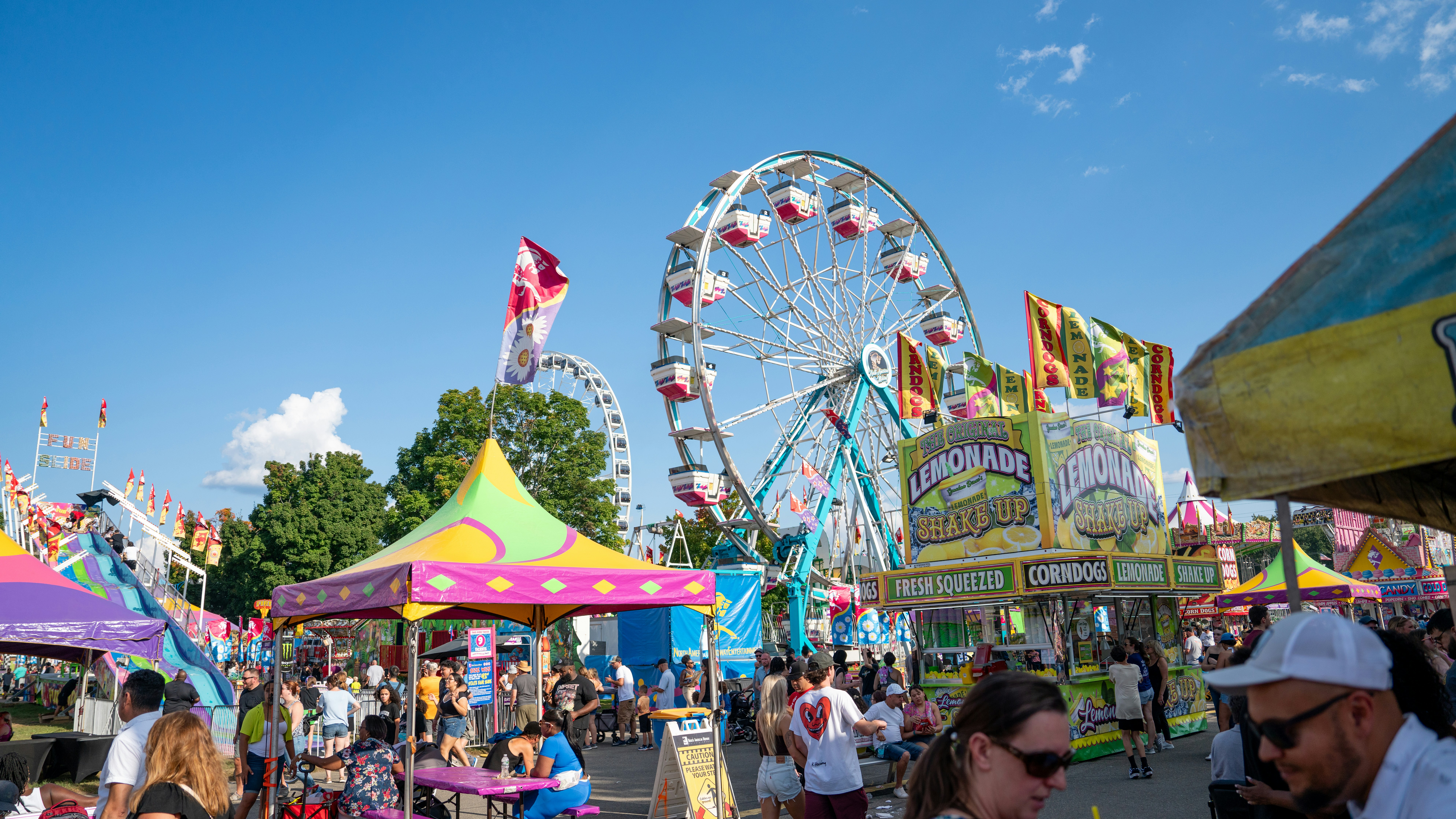
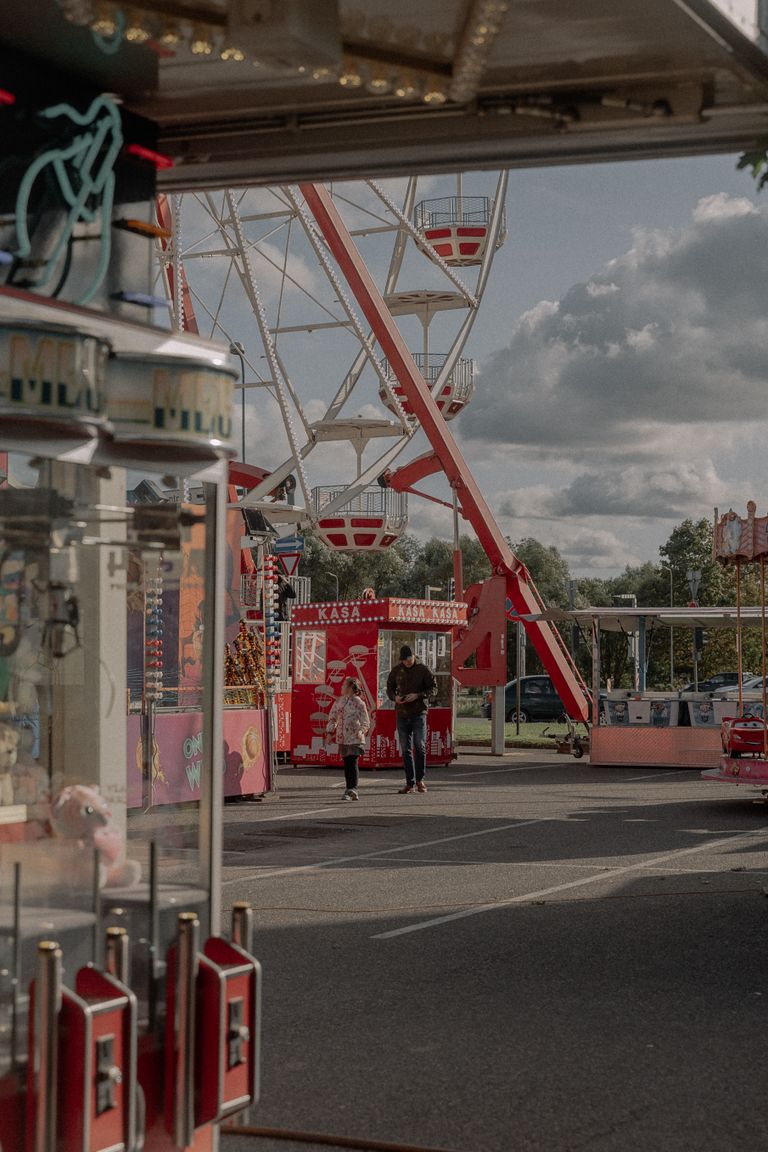
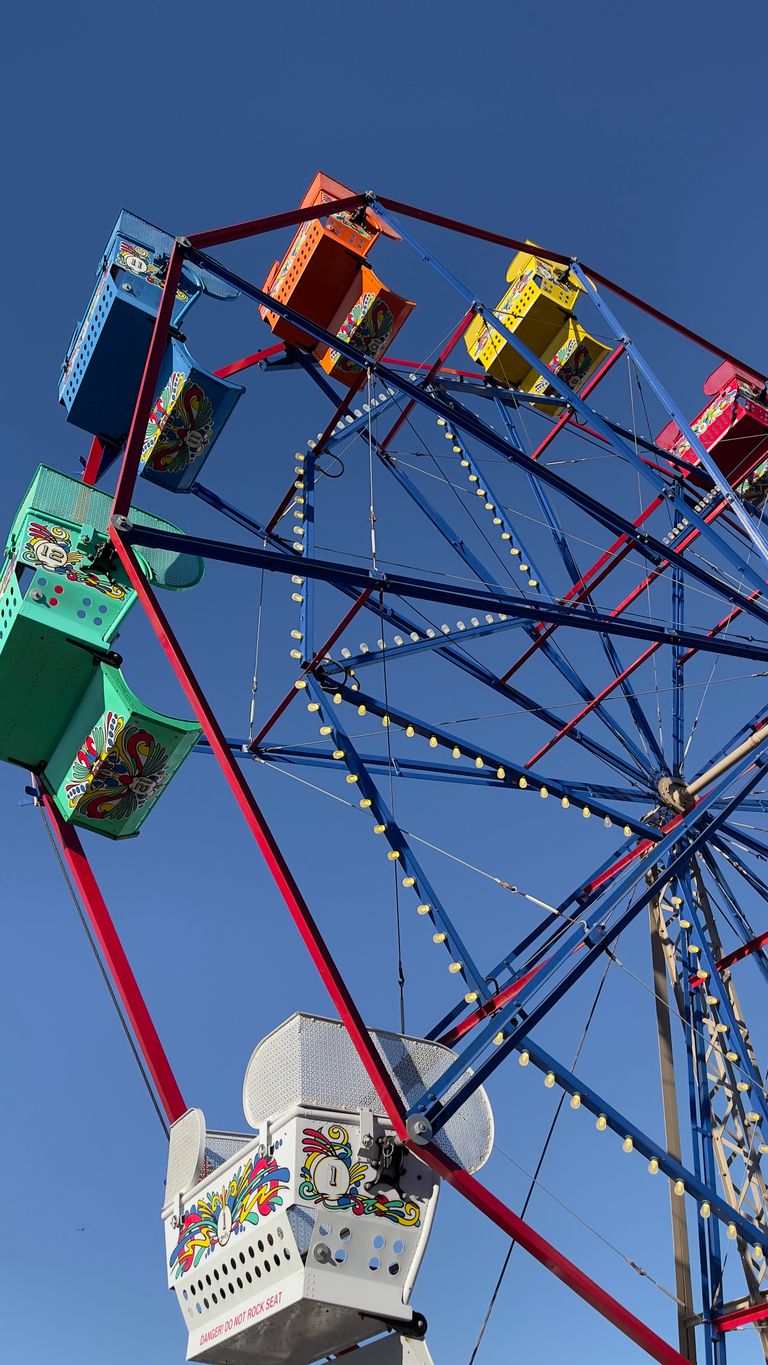
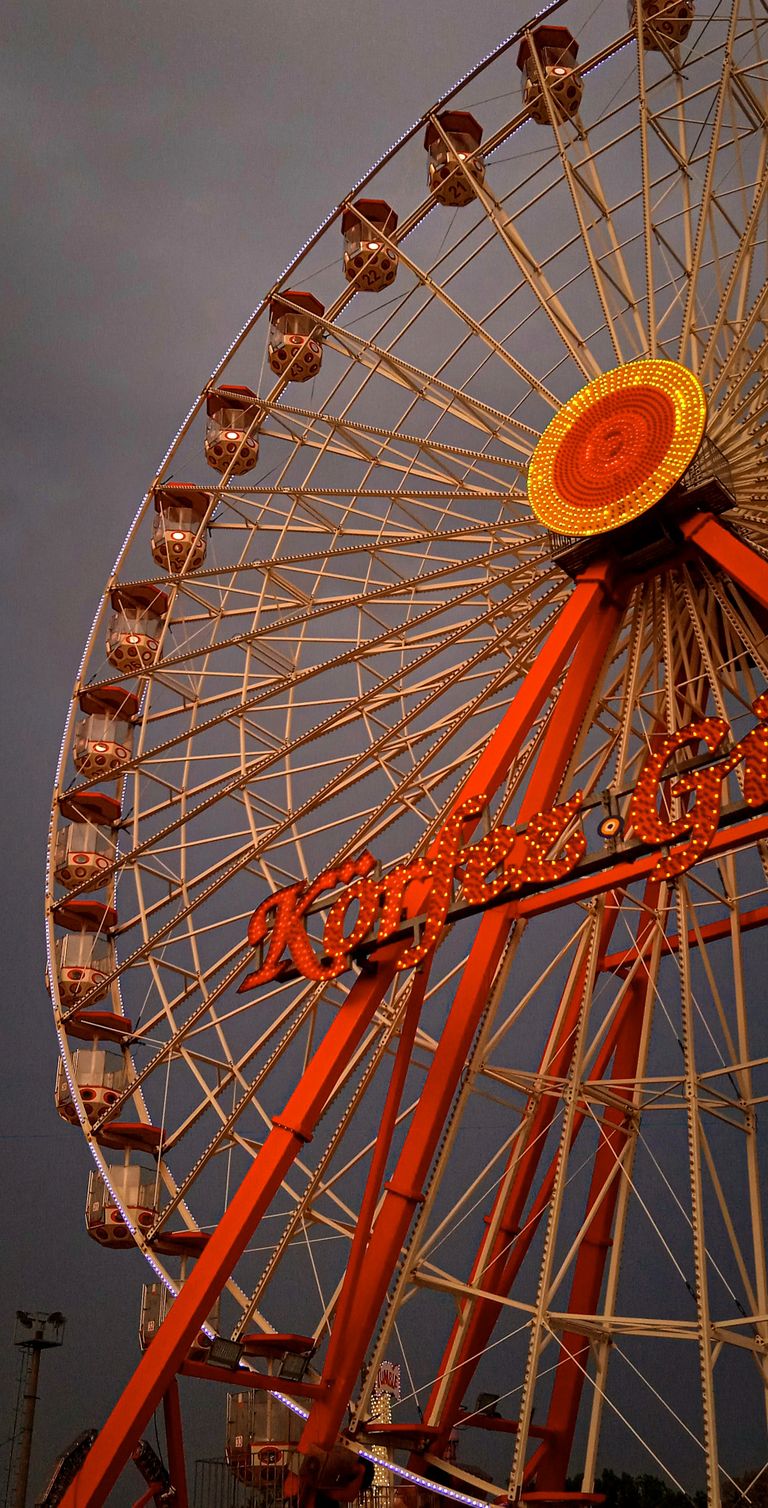
A traditional mainland-style midway with a large collection of traveling carnival rides is not a confirmed defining feature of the Hawaiʻi State Farm Fair. Its established agricultural attractions include livestock exhibitions, educational activities, plant sales, and food vendors.
Visitors specifically seeking roller coasters, large midway rides, live touring acts, or other amusement attractions should check the details of the separate 50th State Fair and other commercial events on Oʻahu. The attractions offered by one fair should not be attributed to another without confirmation.
Local food and plant sales
Food vendors are an important part of the fair experience, giving visitors opportunities to enjoy local-style meals and refreshments while exploring the grounds. Vendor selections can change from one year to another.
The country farmers market and plant sale have also been promoted as major features of the State Farm Fair. Shoppers may find locally grown orchids, tropical plants, succulents, and other plant varieties, depending on the participating growers and the year’s program.
Youth programs and livestock auctions
The junior agricultural component provides young exhibitors with a public setting to demonstrate their knowledge and the results of their projects. Livestock auctions may be scheduled as part of the 4-H show program, but their exact timing, bidding requirements, and animal-sale arrangements must be checked for each year.
Admission prices, concessions, special discounts, parking rules, and children’s admission policies can change. Visitors should not rely on prices from an earlier edition when planning a future trip.
Honolulu County Fairgrounds Events highlight Oahu’s community celebrations, cultural exhibitions, local vendors, and family entertainment. Readers interested in exploring fairground events across Hawaii can continue with Hawaii County Hawaii Fairgrounds Events to learn about agricultural activities and community gatherings on the Big Island.
Facilities and Grounds

The Whitmore Village agricultural site differs from a permanent, purpose-built fair complex with a fixed grandstand, multiple exhibition halls, and year-round public attractions.
Exhibition and livestock areas
During the State Farm Fair, organizers arrange space for agricultural exhibits, livestock activities, vendors, and family education. The exact number of temporary structures, animal pens, covered areas, and public facilities can change with the event layout.
There is no sufficiently verified public inventory establishing a permanent grandstand seating capacity, a fixed number of livestock barns, or a specific count of exhibition buildings at the site.
Parking and accessibility
Parking arrangements should be confirmed in the latest visitor information. Before travelling, check whether parking is on-site, whether accessible parking is provided, and whether temporary traffic arrangements affect entry to Whitmore Village.
Visitors who need step-free routes, accessible restrooms, or other accommodations should contact the organizer in advance rather than assume that all event areas have the same accessibility provisions.
Camping, RV hookups, permanent concession buildings, ATMs, and dedicated first-aid facilities have not been confirmed as year-round amenities of the fair site.
Vendor and Exhibitor Information
Applying for a vendor space
Businesses, food vendors, growers, and community organizations interested in participating should contact the event organizers directly. Applications may involve a description of the products being sold, booth dimensions, electrical requirements, food permits, insurance documents, and payment deadlines.
A previous vendor’s participation does not guarantee that spaces will be available in the following year. Prospective vendors should ask about application dates, setup hours, vehicle access, cleanup rules, and whether their category is accepting new exhibitors.
Entering agricultural competitions
Livestock exhibitors should work through the relevant Hawaiʻi 4-H program or the specific competition organizer. Participants may need to meet age, enrollment, animal-health, identification, and showmanship requirements.
For plant, craft, or other competitive exhibits, check the current event rules to determine whether advance registration is required. A published exhibitor handbook or premium book, if issued, is the best source for categories, deadlines, judging procedures, and awards.
Getting to the Fairgrounds
Driving from Honolulu
From central Honolulu, drivers generally travel toward Wahiawā and Whitmore Village using Oʻahu’s major road network. Depending on the starting point and traffic, H-1 and H-2 may form part of the journey before connecting to local roads serving the Whitmore Village area.
The appropriate final approach depends on the event’s designated entrance and traffic plan. Use the confirmed event address rather than navigating to a generic search result labelled Honolulu Fairgrounds.
From Waikīkī and other parts of Oʻahu
Visitors leaving Waikīkī should allow additional time to cross the urban area and travel inland. Drivers coming from the North Shore or Windward Oʻahu should check the recommended route for their starting point and the day’s traffic conditions.
Public transportation availability, event shuttles, rideshare pickup points, and temporary road restrictions should be verified before departure. Do not assume a dedicated shuttle service operates during every fair.
4-H and FFA at Honolulu Fairgrounds
Hawaiʻi 4-H is an important part of the island’s agricultural education network. Through the University of Hawaiʻi at Mānoa’s College of Tropical Agriculture and Human Resilience, young people can gain experience in animal care, agricultural science, communication, leadership, and project management.
Oʻahu’s livestock program supports youth who raise and present animals such as cattle, goats, pigs, rabbits, and poultry. The State Farm Fair gives participating young people a chance to share their work with the public.
FFA, or the National FFA Organization, supports agricultural education through participating school programs. However, a complete current list of Oʻahu FFA chapters attending the fair has not been established here, so individual school participation should be confirmed with the relevant program.
A junior livestock auction, when included in the schedule, gives eligible buyers an opportunity to bid on animals raised by youth exhibitors. The event rules determine bidder registration, payment arrangements, animal disposition, and how proceeds are handled. Buyers should obtain those details before participating.
Special Events Beyond the Annual Fair
Honolulu and the rest of Oʻahu host many events outside the State Farm Fair, but they are not all held at one fairground.
Commercial exhibitions, flea markets, craft fairs, concerts, cultural festivals, and sporting events may use different venues around the island. Agricultural shows and horse-related activities can also take place at designated facilities away from Honolulu’s urban core.
Anyone searching for a gun show, rodeo, motorsports event, seasonal festival, or touring entertainment act should verify the actual venue, organizer, admission policy, and event date. These categories should not be presented as regular attractions at the Whitmore Village agricultural site unless a specific event announcement confirms them.
History of Honolulu Fairgrounds
The history most relevant to Oʻahu’s agricultural fair tradition is that of the Hawaiʻi State Farm Fair, which began in 1962. The Hawaiʻi Farm Bureau established the event to raise awareness of farming and ranching and to bring agricultural education to the public.
Over time, the fair became a setting for youth livestock demonstrations, plant sales, agricultural displays, and family activities. Its partnerships with the state Department of Agriculture and Hawaiʻi 4-H have helped keep young people’s agricultural education at the center of the event.
After a two-year hiatus, the fair moved to a new home in Whitmore Village. That move gave the event a location associated with agricultural land on Oʻahu and helped distinguish it from the island’s urban commercial exhibitions.
The available information does not establish a reliable history of a separate permanent Honolulu Fairgrounds facility, its construction date, historic attendance records, or specific past cancellations. Those details should not be invented or attached to the State Farm Fair without documentary evidence.
Frequently Asked Questions
When is the Honolulu County Fair in 2027?
A 2027 date for the Hawaiʻi State Farm Fair has not been confirmed here. The 2026 edition took place July 11–12 in Whitmore Village, and visitors should wait for the next official announcement before making plans.
What time does Honolulu Fairgrounds open?
There is no verified year-round opening schedule for a permanent venue officially called Honolulu Fairgrounds. Opening hours depend on the specific event; the 2026 State Farm Fair ran on July 11–12, with its published daily program providing the event-specific schedule.
Is there camping at Honolulu Fairgrounds?
Year-round camping and RV hookups have not been confirmed at the Whitmore Village State Farm Fair site. Visitors travelling with recreational vehicles should arrange accommodation separately unless organizers explicitly confirm camping facilities.
How do I enter livestock in the Hawaiʻi State Farm Fair?
Contact the Hawaiʻi 4-H livestock program or the fair organizers to learn about enrollment, animal eligibility, registration deadlines, health requirements, and showmanship rules. Requirements differ by competition and animal category.
Are dogs allowed at Honolulu Fairgrounds?
A verified general pet policy is not available for the fair site. Contact the event organizer before bringing a dog, particularly if livestock exhibitions are taking place.
Where do I park for the Hawaiʻi State Farm Fair?
Parking arrangements depend on the event’s current plan. Confirm the designated entrance, parking location, accessible spaces, and any traffic restrictions before driving to Whitmore Village.
Who do I contact to rent Honolulu Fairgrounds?
First identify the actual venue you want to use. For the Hawaiʻi State Farm Fair site, ask the property manager or event organizer whether rentals are available, as public information does not establish a general year-round rental program.
How much does it cost to attend the Hawaiʻi State Farm Fair?
Admission prices can change each year. Check the current event announcement for adult admission, children’s policies, parking charges, and any special offers rather than relying on prices from previous editions.
What can visitors see at the Hawaiʻi State Farm Fair?
Visitors can explore agricultural displays, 4-H livestock exhibitions, plant sales, local vendors, and educational activities. The exact program varies by year.
Is the Hawaiʻi State Farm Fair held in Honolulu?
No. The 2026 edition was held in Whitmore Village near Wahiawā on Oʻahu, not in central Honolulu. Confirm the next event’s location before travelling.
One Comment