Custer County Colorado Fairgrounds Events
Custer County, Colorado, has a rural community shaped by ranching, mountain landscapes, small-town traditions, and agriculture. When looking for Custer County fairgrounds, visitors should first distinguish between an officially established county fairground and the local venues that may host agricultural exhibitions, livestock activities, community gatherings, and seasonal celebrations.
Wetmore and Westcliffe are two important communities in the county, with Westcliffe serving as the county seat. The surrounding Wet Mountain Valley has a long association with ranching and livestock production, making agricultural education and community events relevant to local families. However, the exact location, management, annual schedule, and facilities of a dedicated Custer County fairgrounds need to be confirmed before visitors make travel plans.
This guide explains what visitors and exhibitors should know, how to check upcoming Custer County fair events, and where to begin when seeking participation opportunities in the county.

Overview of Custer County Fairgrounds
Location and community role
The Custer County Fair is associated with the fairgrounds in the Westcliffe area of Custer County, Colorado. Westcliffe, located along the eastern side of the Sangre de Cristo Mountains, is the county seat and a central community for public services, schools, ranching families, and local organizations.
The exact street address and entrance should be confirmed through current county fair information before traveling. Visitors should not confuse the fairgrounds with the Custer County Courthouse at 205 South Sixth Street in Westcliffe, which is a government facility rather than the fair venue.
The fairground’s importance comes from the county’s agricultural traditions. Local ranches, horse owners, young livestock exhibitors, and families involved in rural life have a natural connection to events that bring animal husbandry, practical skills, and community participation together.
Who manages the fair?
The Custer County Fair Board is responsible for planning and overseeing the annual county fair and its related activities. The county publishes board meeting information, and meetings are generally open to the public.
Colorado State University Extension supports local youth development and agricultural education through the Custer County Extension and 4-H program. These organizations have distinct responsibilities: the fair board oversees the fair, while Extension provides educational and youth-program support.
How long has the fair operated?
The Custer County Fair has been described in local tourism information as an annual tradition dating to 1947. That gives the event a history of bringing ranching families, young exhibitors, and community members together across generations.
The precise construction date of the current fairground facilities, total acreage, and original building layout should be confirmed through local records rather than assumed from the fair’s founding year.
Upcoming Events at Custer County Fairgrounds

What events can visitors expect?
The best-known recurring event is the Custer County Fair, which emphasizes youth projects and livestock exhibitions. The broader local event calendar can also include activities connected with horses, ranching, and community gatherings.
Visitors researching upcoming events in Custer County should distinguish between established annual activities and events that have not yet been announced. A venue’s ability to accommodate a particular activity does not automatically mean that a rodeo, concert, demolition derby, carnival, or swap meet is scheduled.
For the most useful information, check the county’s current fair announcements and contact the fair board or Custer County Extension office. This is particularly important when traveling from Pueblo, Cañon City, or elsewhere in Colorado, as a general event listing may not include updated start times or entry requirements.
Seasonal event patterns
The annual fair has traditionally been associated with the summer season, when livestock projects and youth agricultural activities are central to the calendar. Horse-related activities and other community events may take place at different times, depending on local arrangements.
For fall and winter visits, check whether a specific indoor activity is scheduled before setting out. Public access to fair facilities is not guaranteed every day of the year.
Renting facilities for private events
People planning an equestrian gathering, agricultural demonstration, club meeting, or other community event should ask the fair board whether the grounds are available for rental.
Before making arrangements, request information about permitted activities, insurance, electricity, animal facilities, cleanup responsibilities, accessibility, and cancellation policies. Do not assume that every building or outdoor area is available for private use.
The Custer County Fair
When is the annual fair held?
The Custer County Fair is a summer agricultural event associated with Westcliffe. Historical local information places the fair before the third weekend of July, but that pattern should not be treated as a confirmed date for every year.
Custer County Fair 2027: Check the official annual schedule before making travel arrangements. A verified 2027 date and complete daily program should be obtained from the fair board or Extension office rather than inferred from previous years.
Livestock shows and competitive exhibits
The fair provides opportunities for young people to demonstrate their knowledge, preparation, and responsibility through animal projects and other exhibits. Historical Custer County 4-H guidance describes horse, livestock, small-animal, general-project, and consumer-science competitions.
Depending on the current fair book, livestock classes may include beef cattle, sheep, goats, swine, rabbits, and other eligible animals. Horse projects are also relevant to local youth programming.
General projects can give participants a way to demonstrate skills beyond animal care. Possible categories include sewing, cooking, photography, woodworking, archery, and other practical or creative work. The exact categories, eligibility rules, and judging format must be checked in the applicable year’s premium book.
Visitors exploring Custer County Colorado Fairgrounds Events can also discover community gatherings through Crowley County Colorado Fairgrounds Events. Exploring both counties helps families and travelers discover local traditions, find seasonal activities, and enjoy regional celebrations throughout Colorado.
Rodeo, entertainment, food, and carnival rides
The Custer County Fair and Westcliffe Stampede Rodeo are both associated with the area’s western heritage. Local tourism information describes the Stampede as featuring cowboys and bucking broncos, including participation by local ranchers and professional rodeo performers.
However, a separate rodeo reference does not establish that every rodeo performance is held on the fairgrounds or that the rodeo shares all dates with the fair.
Likewise, a traveling carnival, midway wristbands, demolition derby, tractor pull, concerts, and specific food vendors should only be advertised as part of the fair when the current schedule confirms them. Visitors should check admission prices, parking arrangements, entertainment times, and any restrictions on children or pets before arriving.
Youth livestock sales
The fair’s agricultural purpose includes recognizing the effort required to raise and present animals. When a junior livestock sale is included in the annual program, eligible exhibitors may present market animals to buyers under the sale’s rules.
The specific sale date, bidding process, payment arrangements, and distribution of proceeds must be confirmed for that year’s event. Not every livestock show automatically includes a public auction.
Facilities and Grounds

Exhibition areas and animal facilities
Fair-related activities require different spaces for livestock preparation, judging, educational displays, and public gatherings. Visitors should consult the current event information to learn which buildings or outdoor areas are being used.
The exact number of permanent exhibition buildings, the total seating capacity of any arena, and the layout of livestock barns have not been established here. Those details should be confirmed with the fair board before they are included in event plans or facility descriptions.
Parking and accessibility
Check event-specific directions for designated parking, accessible spaces, pedestrian entrances, and any temporary traffic arrangements. Visitors bringing livestock trailers should confirm where trailers can be unloaded and parked.
Do not assume that all routes between outdoor areas are paved or that every building has accessible restrooms. People with mobility needs can ask the event organizer about accessible entrances and viewing areas before traveling.
Camping and amenities
Anyone hoping to camp near the Custer County Fair should verify whether camping is permitted at the venue during the relevant dates. Confirm available hookups, water and waste facilities, nightly charges, reservation procedures, and restrictions on RV length or generators.
Food service, cash machines, first aid, water stations, and restroom availability can vary between events. Bringing drinking water, sun protection, suitable footwear, and weather-appropriate clothing is sensible when attending an outdoor gathering in the high-elevation Wet Mountain Valley.
Vendor and Exhibitor Information
How to become a vendor
Local businesses, food sellers, artisans, and community organizations interested in participating should begin by contacting the fair organizers. Ask whether commercial spaces are available, which products are permitted, and whether applications are accepted for the full fair or individual days.
A vendor application may require business details, a description of merchandise, booth dimensions, proof of insurance, electrical requirements, and applicable permits. Food vendors should confirm any Colorado and local public-health requirements before selling prepared food.
Booth fees, application deadlines, electricity charges, and cancellation terms should be obtained directly from the organizer. Do not rely on a previous year’s fee schedule without confirmation.
Entering exhibits and livestock
Youth exhibitors should contact Custer County Extension for the current 4-H enrollment requirements and fair-entry instructions. The annual premium book is the key document for eligible classes, animal identification, tagging and weigh-in requirements, project deadlines, and judging procedures.
Open-class exhibitors should ask whether non-4-H participants can enter particular categories. Eligibility can differ between livestock, general projects, and other competitions.
Early preparation matters for animal projects because missing an identification, enrollment, or weigh-in deadline may make an exhibitor ineligible. Keep a copy of submitted entries and confirm that each project has been accepted.
Getting to Custer County Fairgrounds
Driving from Westcliffe and nearby cities
Westcliffe is the most practical starting point for visitors coming from within Custer County. State Highway 69 serves the Westcliffe area and connects the Wet Mountain Valley with regional routes. State Highway 96 runs through Wetmore, an eastern Custer County community near the Fremont County line.
Travelers from Cañon City or Pueblo should plan their route according to their starting point and current road conditions. The final approach to the fairground should be checked against the current event directions, because the exact entrance and temporary traffic arrangements can vary.

Public transport and rideshare
Do not assume that scheduled public transportation or a fair-week shuttle serves the venue. Visitors without a car should arrange transportation in advance and confirm the appropriate passenger drop-off point with the event organizer.
Rideshare availability can be more limited in rural areas than in larger Colorado cities. For evening events, arrange a return journey before the event begins rather than relying on finding a vehicle at closing time.
4-H and FFA at Custer County Fairgrounds
The role of 4-H
Custer County Extension supports youth development and agricultural education through its 4-H program. The county’s listed Triple C Clovers club supports projects including beef, goats, horses, rabbits, sheep, swine, shooting sports, artistic clothing, and heritage arts.
These projects can help young participants develop animal-care skills, recordkeeping habits, public-speaking confidence, and responsibility. Fair judging gives exhibitors an opportunity to explain their work and receive feedback.
Families interested in joining should contact Extension to ask about current clubs, enrollment ages, project availability, and deadlines. The number of active clubs and members can change, so an outdated count should not be presented as current.
FFA and youth livestock auctions
Future Farmers of America, commonly known as FFA, provides agricultural education and leadership opportunities through participating school chapters. Whether a particular Custer County school chapter is participating in a given fair should be confirmed with the school and fair organizers.
When a junior livestock auction is scheduled, buyers may be invited to bid on eligible market animals under the published rules. Buyers should clarify whether a bid represents the purchase of an animal, a premium payment, or another arrangement. They should also ask about payment deadlines, processing options, and how proceeds are allocated.
Special Events Beyond the Annual Fair
The fairgrounds and other community venues in the Westcliffe area may be considered for activities beyond the annual agricultural fair. Possible uses include horse gatherings, livestock-related demonstrations, community fundraisers, educational meetings, and private celebrations, subject to venue availability.
A rodeo, flea market, swap meet, craft show, gun show, ATV event, or concert should not be treated as a confirmed Custer County Fairgrounds event unless an organizer has announced it.
For anyone planning a visit around a particular activity, the most useful questions are whether the event is officially scheduled, where it will take place, whether spectators are welcome, and whether admission or registration is required.
History of Custer County Fairgrounds

From mining settlements to ranching communities
Custer County was established on March 9, 1877, from the southern portion of Fremont County. Its early history included silver mining and settlements such as Rosita and Silver Cliff. Westcliffe became the county seat in 1928.
As mining declined, ranching became an important part of the local economy and landscape. Cattle, horses, and working ranches remain closely associated with the identity of the Wet Mountain Valley.
The county fair reflects that agricultural heritage by giving younger generations opportunities to learn practical skills and allowing residents to gather around livestock, exhibits, and community activities.
The fair’s legacy
Local tourism information identifies 1947 as the beginning of the annual Custer County Fair tradition. The event’s youth-focused competitions connect present-day exhibitors with a long-running tradition of agricultural education and community participation.
A detailed timeline of individual fairground buildings, attendance records, historical cancellations, and major renovations would require confirmation from county archives or the fair board. Those details should not be guessed from the county’s broader mining and ranching history.
Frequently Asked Questions
1. When is the Custer County Fair in 2026 or 2027?
The Custer County Fair is traditionally a summer event associated with Westcliffe, Colorado. For confirmed 2026 results or the 2027 dates, check the current fair schedule with Custer County Extension or the Custer County Fair Board before planning your visit.
2. What time does Custer County Fairgrounds open?
Opening times depend on the scheduled event. Livestock exhibitors may have different barn access and check-in times from general visitors. Check the day’s program for the correct public entry time.
3. Is there camping at Custer County Fairgrounds?
Camping availability and facilities should be confirmed directly with the fair organizers. Ask about RV access, electrical hookups, water, waste disposal, reservations, and any event-specific camping restrictions before arriving.
4. How do I enter livestock in the Custer County Fair?
Contact Custer County Extension for current 4-H enrollment and fair-entry instructions. Review the annual premium book for eligible species, identification requirements, weigh-in deadlines, animal health rules, and judging schedules.
5. Are dogs allowed at Custer County Fairgrounds?
Pet rules can vary according to the event and whether livestock are present. Confirm the current policy with the organizer before bringing a dog. Service animals are subject to applicable accessibility requirements.
6. Where do I park at Custer County Fairgrounds?
Use the parking area identified in the event’s directions. Visitors towing trailers or transporting livestock should request specific instructions. Accessible parking and overflow arrangements should be confirmed before arrival.
7. Who do I contact to rent Custer County Fairgrounds?
Start with the Custer County Fair Board, which oversees the annual fair and its associated activities. Ask whether the intended facility is available, what fees apply, and whether insurance, permits, or special arrangements are required.
8. How much does it cost to attend the Custer County Fair?
Admission prices, parking charges, and any separate rodeo or entertainment fees should be checked against the applicable year’s schedule. Do not assume that prices from a previous fair remain valid.
9. Does Custer County Fair have 4-H competitions?
Yes. Local information identifies 4-H livestock, horse, small-animal, and general-project activities associated with the fair. The current premium book provides the authoritative list of classes, entry conditions, and deadlines.
10. Are carnival rides available at the Custer County Fair?
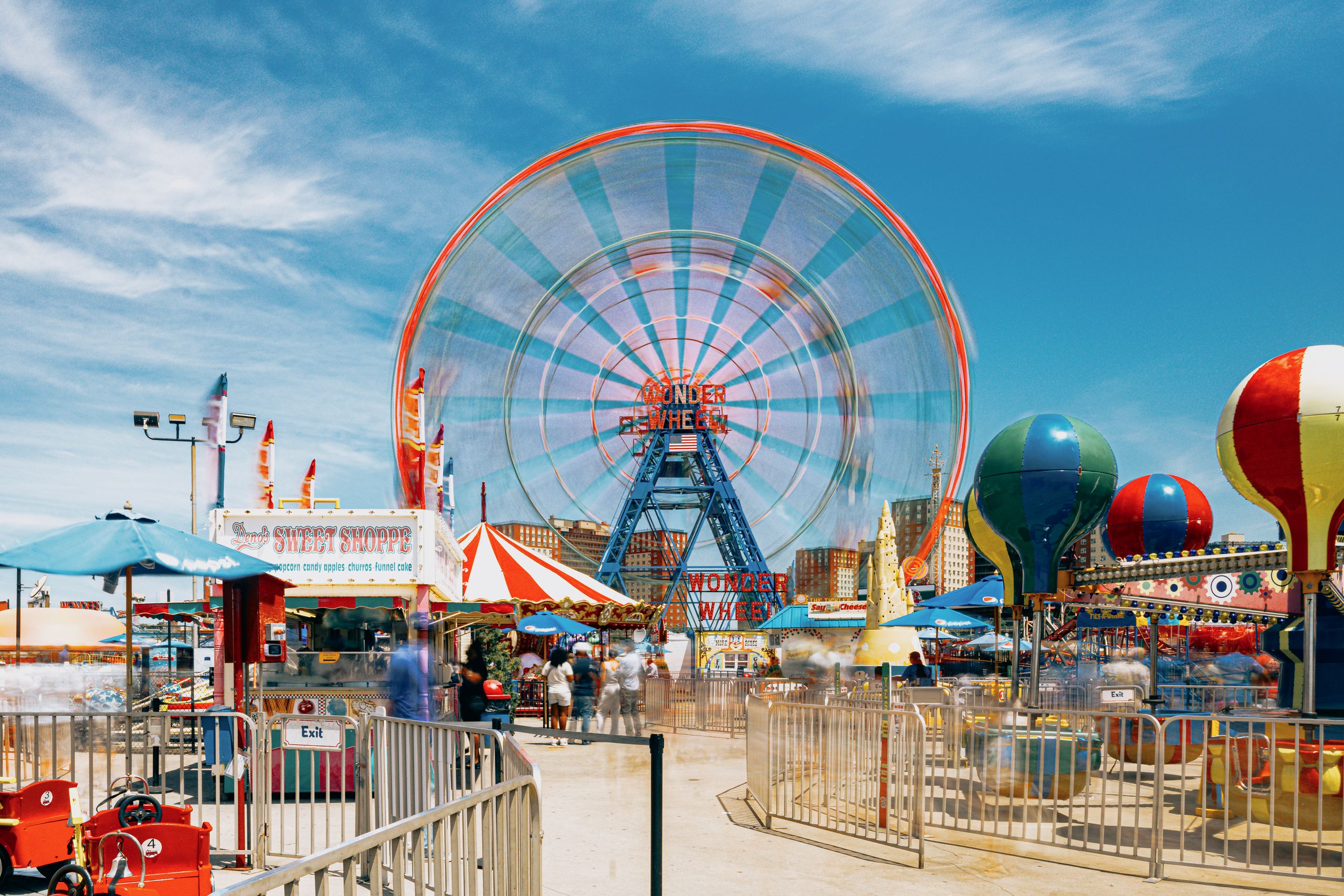
Carnival rides should not be assumed to be part of every year’s program. Check the current event announcement to establish whether a midway is planned, which days it operates, and whether tickets or wristbands are required.
11. Can local businesses sell products at the fair?
Interested vendors should contact the fair organizers to ask about booth availability, application deadlines, insurance, permits, fees, and electricity. Food vendors should also verify the applicable public-health requirements.
12. Is the Custer County Fair the same as the Westcliffe Stampede Rodeo?
They are distinct event names associated with the area’s western heritage. Local tourism information highlights both the Custer County Fair and the Westcliffe Stampede Rodeo. Confirm their dates and venues separately before arranging a visit.


One Comment