
Clark County Kansas Fairgrounds Events
Clark County Fairgrounds serves Ashland and the surrounding agricultural communities in southwestern Kansas. The grounds provide a gathering place for the annual Clark County Fair, youth livestock exhibitions, and other community activities. The fair is particularly important to local families involved in cattle production, agriculture, animal husbandry, and youth education.
Ashland is the county seat of Clark County, making it the natural reference point for visitors planning a trip to the fairgrounds. The local chamber identifies the grounds as a venue for the Clark County Fair and KPRA Rodeo. Exact street-address details, acreage, building counts, and the date the present facilities were established should be confirmed with the fair board before a visit.
The fair’s organizing structure includes the Clark County Fair Board, working alongside K-State Research and Extension’s Clark County office on youth programs and fair-related activities. The 2026 fair information identifies Nicole Brown as board president, Tim Miller as vice president, Gracie Borgelt as secretary, and Ryan Koons as treasurer.
For Clark County residents, the fair is more than a summer outing. It gives young exhibitors a place to present projects developed over months, allows families to see local agricultural work firsthand, and brings residents together around competitions and community entertainment.
Upcoming Events at Clark County Fairgrounds

The main annual attraction is the Clark County Fair. The fairgrounds also host the KPRA Rodeo, according to the Ashland Chamber of Commerce’s community facilities information. These events make the grounds relevant to visitors interested in livestock, western sports, and traditional county fair activities.
Finding the latest Clark County fair events
The best place to check upcoming events is the fair’s official information maintained through the Clark County agricultural fair website and the Clark County Extension fair page. These sources provide fair schedules, fair books, and participant information.
Because the 2026 fair dates have passed, visitors planning for 2027 should wait for the next published schedule rather than relying on an old calendar. Rodeo dates, entry deadlines, entertainment announcements, and public admission arrangements should also be checked for the specific year.
The confirmed event profile supports the county fair and KPRA Rodeo. Other activities, such as demolition derbies, tractor pulls, flea markets, craft fairs, concerts, or private celebrations, should not be assumed to take place at Clark County Fairgrounds without a current announcement.
Facility rentals and community events
People interested in holding a private gathering, agricultural meeting, or community event should contact the fair board to ask whether a suitable space is available. Rental availability, building capacity, insurance requirements, deposits, and setup rules need to be confirmed directly. Public information does not establish a complete rental inventory or a current schedule of private bookings.
The Clark County Fair

H3: Typical fair season and 2027 dates
The Clark County Fair is a summer event in Ashland. The published 2026 fair website listed July 24–31, 2026, providing a confirmed reference for the previous year’s fair. Those dates should not be presented as the 2027 schedule. As of November 1, 2026, a confirmed 2027 date was not available in the information reviewed here.
Families planning ahead should check the next official fair schedule before arranging travel, requesting time off, or registering an exhibit.
Livestock shows and competitive exhibits
The fair’s 4-H program is a central part of the experience. Livestock exhibitors prepare animals and develop the knowledge required to present their projects before judges. Depending on the published year’s classes, livestock-related activities may include beef cattle, swine, sheep, goats, poultry, and rabbits.
Discover Clark County Kansas Fairgrounds Events for updates about fair schedules agricultural exhibits livestock shows and community gatherings. Visitors can also explore Cheyenne County Kansas Fairgrounds Events for additional information about Kansas county fairs.
The fair’s exhibit program also provides opportunities for young people to display non-livestock work. Creative and educational projects can give participants a way to demonstrate practical skills, careful preparation, and what they have learned during the 4-H year.
The current fair book is the essential reference for the precise species, divisions, judging order, entry requirements, and awards available at Clark County.
Carnival rides, food, and entertainment
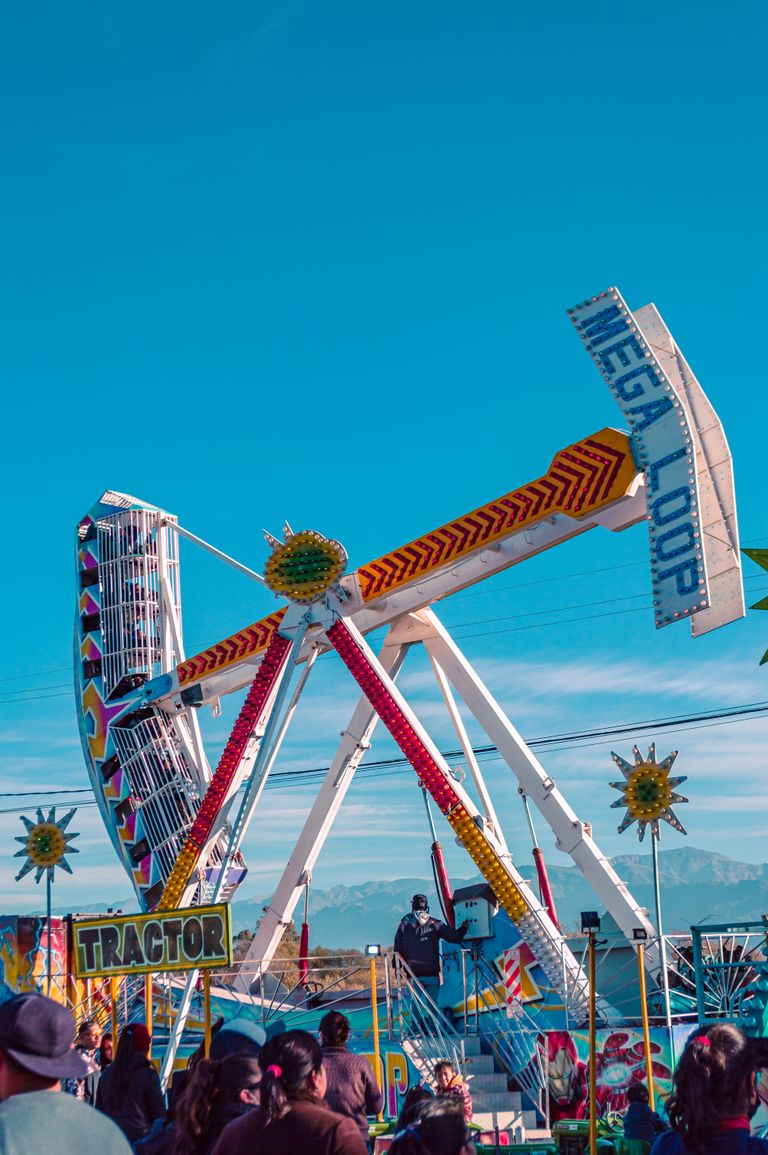
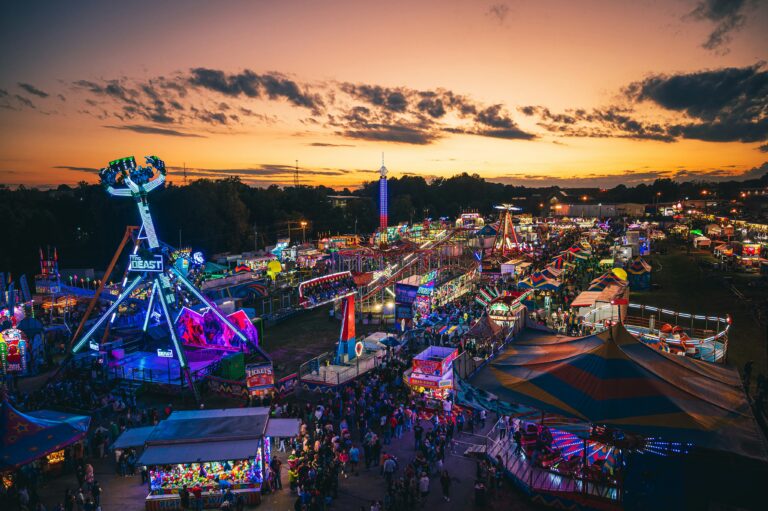
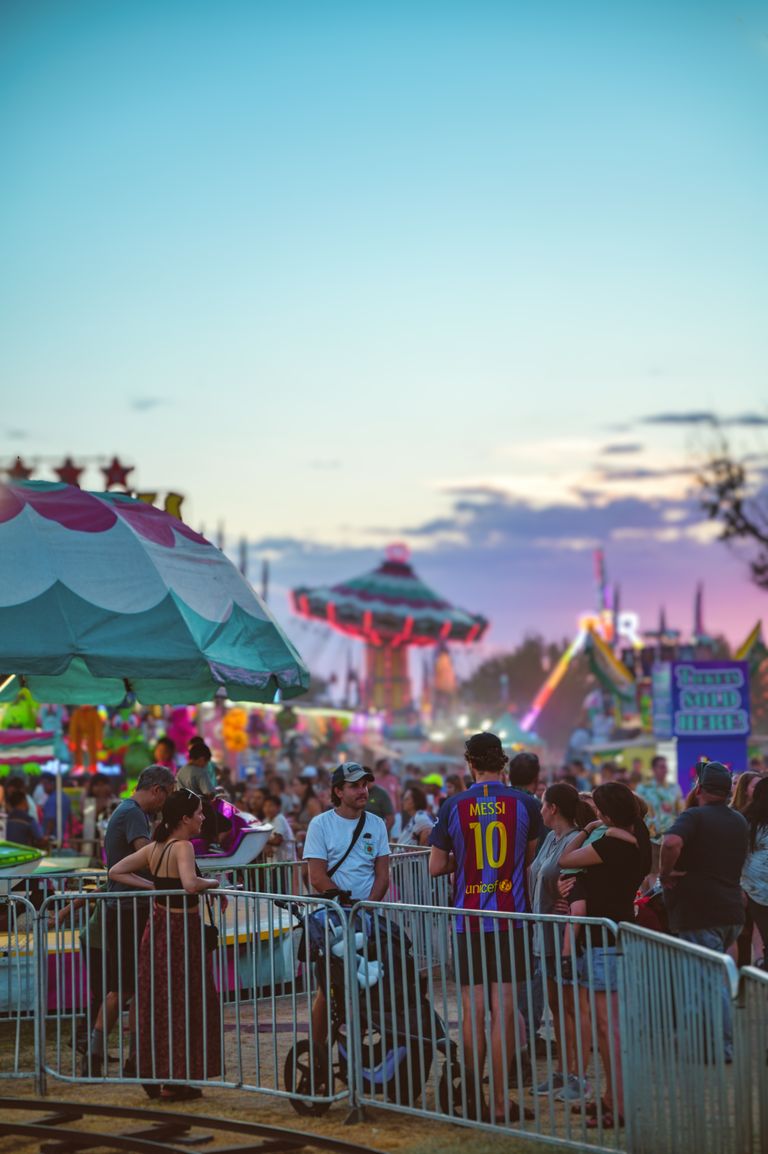
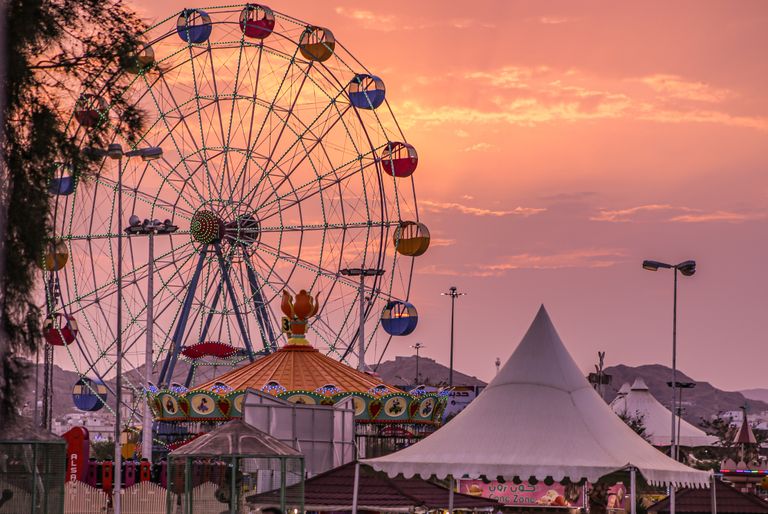
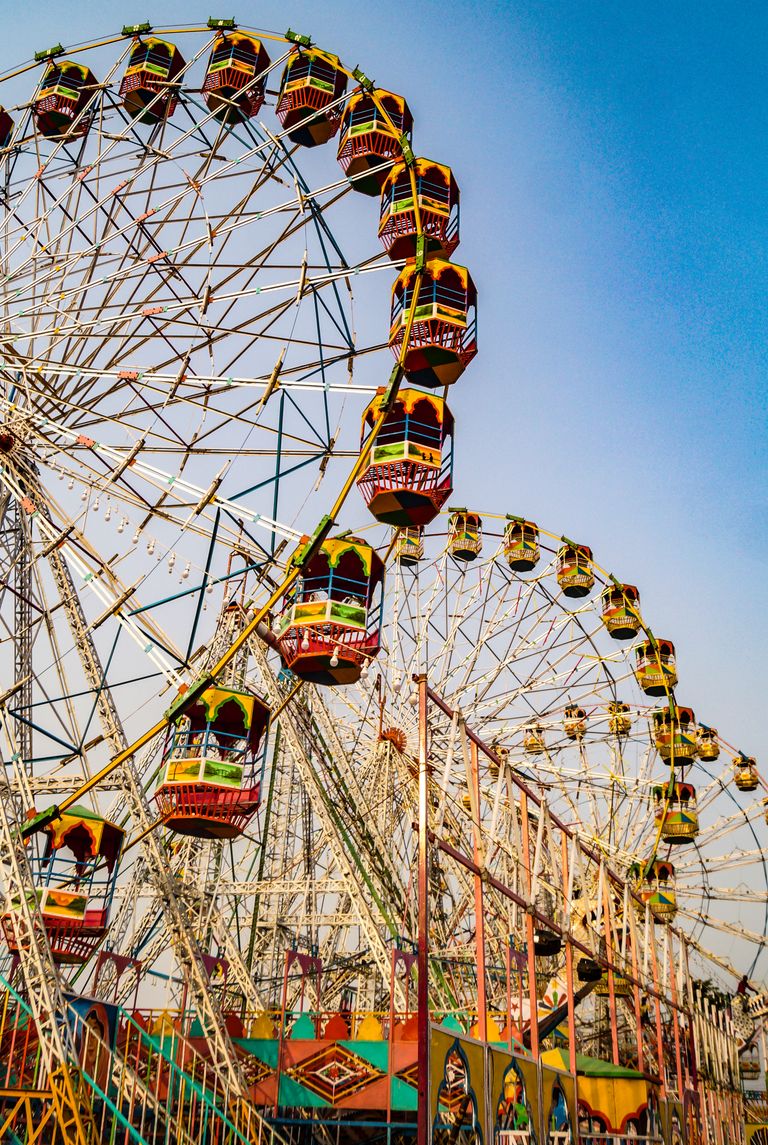
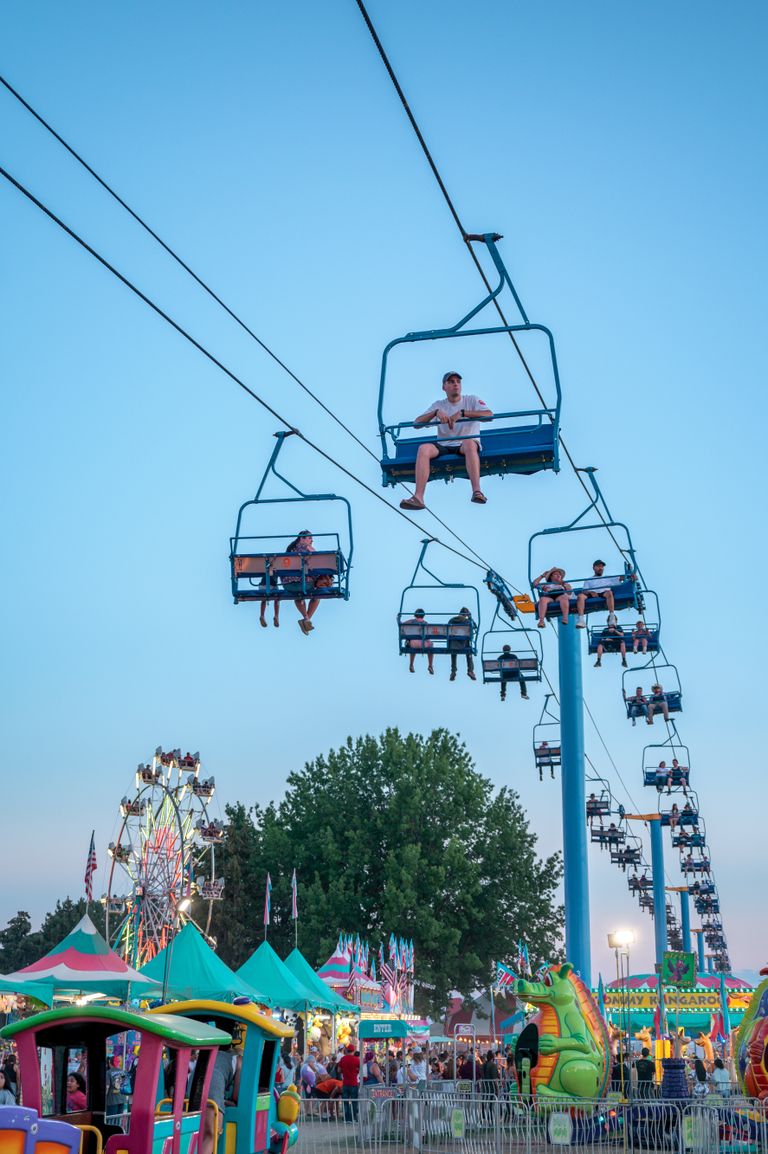
A county fair often combines livestock activities with a midway, fair food, and entertainment, but individual attractions vary from year to year. Visitors should confirm whether carnival rides, ride wristbands, food vendors, grandstand performances, or special evening programs are included in the next Clark County Fair schedule.
No current admission prices, ride counts, food-vendor list, or season-pass arrangements should be assumed without a published announcement. Families budgeting for the fair should check whether admission and individual attractions have separate charges.
Junior fair and youth participation
Youth programs are among the most useful reasons to visit Clark County Fairgrounds. The local Extension office helps families understand the 4-H program, enrollment, and requirements for participation in fair activities. Eligible young exhibitors should review the rules early rather than waiting until fair week.
A junior livestock auction, if included in the current fair program, provides an opportunity for buyers and community supporters to recognize the effort behind youth livestock projects. The fair’s published auction information should be consulted for the date, bidding procedures, and how sale proceeds are handled.
Facilities and Grounds

Clark County Fairgrounds is used for agricultural and community events, but a verified public inventory of all buildings and amenities was not available in the information reviewed. Visitors should confirm which facilities will be open during their event instead of assuming that every building is accessible to the public.
Exhibition and livestock areas
Fairgoers attending livestock shows should expect event-specific instructions concerning animal barns, exhibit areas, check-in, and public access. Exhibitors need to consult the fair book for arrival times, animal identification, health requirements, feed arrangements, and unloading procedures.
The available information does not establish the number of permanent barns, individual stalls, exhibition halls, or commercial vendor spaces. Those details are best confirmed with the fair board before making arrangements for an animal or commercial display.
Parking, camping, and accessibility
Parking arrangements can differ between a regular community event and a large fair day. Ask the organizers about designated parking, livestock trailers, accessible spaces, pedestrian entrances, and overflow parking.
The 2026 fair website listed a fair campsite map among its fair resources, indicating that camping information is part of the published fair materials. However, visitors should check the current map and rules to establish campsite availability, hookup facilities, fees, and reservation requirements.
Specific details about ADA pathways, accessible restrooms, first aid facilities, ATMs, and on-site concessions should be verified with the organizers if they affect your visit.
Vendor and Exhibitor Information
Clark County Fairgrounds may interest local businesses, agricultural suppliers, food vendors, artisans, and residents who want to display their work. However, participation should be arranged through the relevant fair officials rather than assumed to be available to everyone.
Applying for a vendor booth
Prospective vendors should ask the fair board about commercial booth applications, available locations, setup and removal times, electrical access, insurance requirements, and fees. Food vendors should also confirm applicable food safety and permit requirements before making plans.
The official fair materials are the best starting point for current forms and deadlines. The published fair website includes a fair book and other participant resources.
Entering competitive exhibits
Residents interested in entering projects should obtain the correct fair book and determine whether their intended category is open to 4-H members, open-class exhibitors, or both. Each category may have its own eligibility requirements and judging rules.
Livestock participants should pay particular attention to animal identification, health documentation, arrival times, and species-specific requirements. Those preparing arts, crafts, photography, or other exhibits should confirm entry limits, submission times, and collection arrangements.
Getting to Clark County Fairgrounds
Ashland is the main destination for visitors attending events at Clark County Fairgrounds. Travelers coming from elsewhere in southwestern Kansas should confirm the precise entrance and parking location before departure.
Driving from Ashland and nearby communities
Visitors already in Ashland should use the event’s published directions rather than relying on a general town-center destination. People driving from communities such as Englewood or Minneola should plan their route to Ashland and allow additional time for traffic and parking during fair week.
Exact turn-by-turn directions and the road leading directly to the grounds should be verified against the current fair information. A confirmed street address was not established in the information available for this article.
Public transportation and rideshare
Visitors should not assume that scheduled public transportation or a dedicated fair shuttle serves the grounds. Check local arrangements before traveling without a vehicle. If using a rideshare service, agree on a convenient drop-off and pickup point with the driver and follow any temporary traffic instructions issued by event staff.
4-H and FFA at Clark County Fairgrounds
The Clark County Extension office plays an important role in youth agricultural education and fair participation. The local 4-H program gives young people opportunities to develop project skills, learn responsibility, and present their work to judges and the public.
Local 4-H participation
The county’s Extension information identifies one 4-H club, located in Ashland. Young people elsewhere in Clark County who are interested in joining can contact the Extension office for guidance. The published office telephone number is 620-635-2811.
Membership and fair eligibility requirements matter. The county’s published 4-H guidance identifies participation in club meetings and activities, as well as fair setup and cleanup, among the requirements established by the fair board for eligible members. Families should check the current rules because requirements can change.
FFA and the junior livestock auction
Ashland FFA is listed by the Ashland Chamber of Commerce as a local youth organization, with contact through USD 220. Its presence reflects the area’s wider agricultural education network.
For a junior livestock auction, prospective buyers should review the fair’s current schedule and auction rules. The organizers can explain registration, bidding procedures, payment, and the handling of proceeds. Do not assume that every species has an auction or that proceeds are distributed in the same way across all projects.
Special Events Beyond the Annual Fair
The KPRA Rodeo is a documented event associated with Clark County Fairgrounds beyond its main county fair program. Visitors interested in rodeo competition should confirm the next scheduled date, ticket arrangements, and start time with local organizers.
Other possible uses of fairgrounds in the region include agricultural meetings, horse-related activities, vendor gatherings, and community fundraisers. However, a current public calendar confirming additional recurring events at this particular venue was not established.
Anyone looking for a flea market, gun show, tractor pull, motocross competition, or touring concert should verify the specific event before traveling. This avoids confusing activities held elsewhere in Clark County with events at the fairgrounds in Ashland.
History of Clark County Fairgrounds
Clark County’s fair tradition reflects the importance of agriculture and livestock to southwestern Kansas. County fairs give families a public setting in which to present agricultural projects, compare skills, and introduce younger generations to practical work connected with rural life.
The current grounds also serve purposes beyond the annual fair, including the KPRA Rodeo. This combination of agricultural exhibitions and western sporting events connects the venue to the area’s community and livestock traditions
A precise founding year for the fairgrounds, the date of the first Clark County Fair, historic attendance records, and details of past cancellations were not established from the available information. These details should be obtained from historical fair books, county records, or long-serving fair board members before being published as facts.
The same approach applies to changes in the buildings, memorable grandstand performances, and major renovations. Documented local history would add useful context without relying on unverified stories.
Frequently Asked Questions
When is the Clark County Fair in 2027?
The 2027 dates were not confirmed in the information available for this article. The 2026 fair was listed for July 24–31. Check the next official Clark County Fair schedule before making plans.
What time does Clark County Fairgrounds open?
Opening times depend on the event and the day’s schedule. Check the published fair program for gate hours, exhibit access, and livestock show times.
Is there camping at Clark County Fairgrounds?
The 2026 fair information included a campsite map. Confirm current campsite availability, reservations, fees, and facilities with the fair organizers before bringing an RV or tent.
How do I enter livestock in the Clark County Fair?
Obtain the current fair book and review the entry deadlines, eligibility rules, animal identification requirements, health regulations, and show schedule. Contact the Clark County Extension office at 620-635-2811 for 4-H guidance.
Are dogs allowed at Clark County Fairgrounds?
A verified general pet policy was not available. Contact the organizers before bringing a dog, especially during livestock competitions, and ask about service-animal arrangements and any restrictions.
Where do I park at Clark County Fairgrounds?
Use the parking instructions issued for your event. Ask about accessible parking, trailer parking, overflow areas, and temporary traffic restrictions during busy fair days.
Who do I contact to rent Clark County Fairgrounds?
Start with the Clark County Fair Board and ask about rental availability, facility capacity, fees, insurance, and event requirements. Confirm the current contact details before submitting an application.
How much does it cost to attend the Clark County County Fair?
Current admission prices were not verified. Check the published fair schedule for gate admission, grandstand tickets, carnival wristbands, and any free-admission arrangements.
Where is Clark County Fairgrounds located?
The grounds serve Ashland, Kansas, the county seat of Clark County. Confirm the precise address and entrance with the organizers before using navigation.
What events take place at Clark County Fairgrounds?
The documented annual activities include the Clark County Fair and KPRA Rodeo. Other events should be confirmed through the current fair calendar rather than assumed to be part of the program.
How can I join 4-H in Clark County, Kansas?
Contact the Clark County Extension office at 620-635-2811 for information about the Ashland-based club, enrollment, eligibility, and youth fair participation.
Can local businesses sell products at the county fair?
Interested businesses should ask the fair board whether vendor spaces are available and request current applications, deadlines, fees, and operating requirements.
One Comment