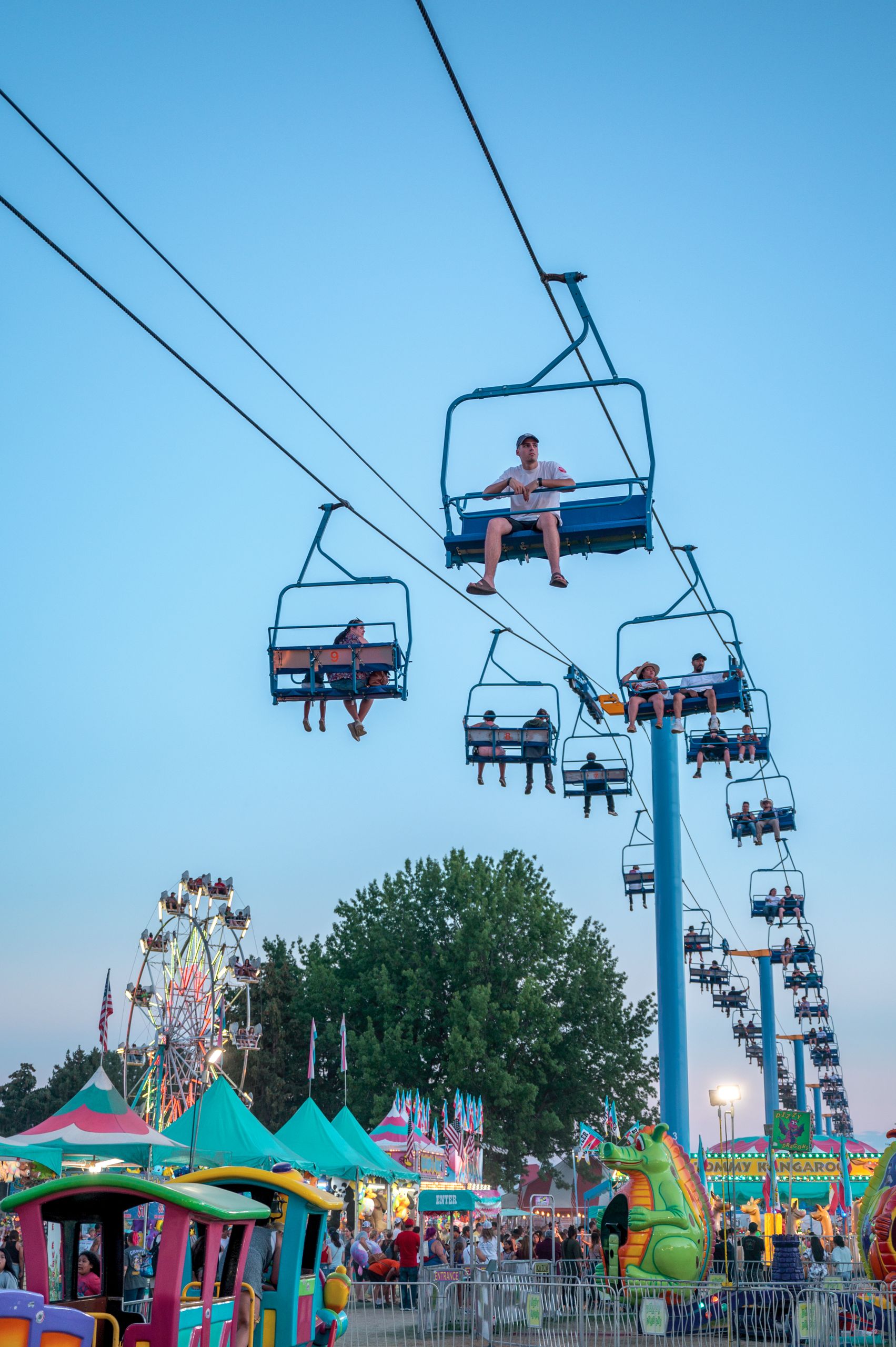
Chickasaw County Iowa Fairgrounds Events
The Chickasaw County fairgrounds are home to the Big 4 Fair, a long-running agricultural and community event held in Nashua, Iowa. The fair brings together livestock exhibitors, 4-H and FFA members, local families, food vendors, and visitors from northeastern Iowa for several days of competitions and entertainment.
For people searching for Chickasaw County fairgrounds, upcoming events, livestock show schedules, or opportunities to exhibit and sell products, the Big 4 Fair is the main event to know. Its Labor Day weekend timing distinguishes it from many Iowa county fairs that take place earlier in the summer. The fair combines agricultural education with grandstand entertainment, including demolition derbies and truck and tractor pulls.
The grounds also have a place in the area’s agricultural history. Chickasaw County’s farming communities have supported organized agricultural exhibitions since the nineteenth century, while the modern Big 4 Fair continues that tradition through youth projects, livestock competitions, and community activities.

Overview of Chickasaw County Fairgrounds
Location and setting
The Big 4 Fairgrounds are located on Highway 346 East in Nashua, Iowa, in Chickasaw County. Nashua is in northeastern Iowa, within driving distance of New Hampton, Charles City, and other communities across the Cedar Valley region.
The Highway 346 East location is the key reference point for visitors planning their journey. Drivers should confirm the current entrance and event-day parking arrangements before leaving, particularly during large grandstand events when traffic may increase.
The fairgrounds serve as a venue for the Big 4 Fair and its agricultural competitions. Exact acreage, the number of permanent buildings, total parking capacity, and a complete facility map should be confirmed with the fair management rather than estimated.
Who operates the fair?
The Big 4 Fair is the principal county-fair event associated with the grounds. The Chickasaw County Extension and Outreach office coordinates 4-H fair information, youth exhibits, livestock requirements, and educational activities in cooperation with fair organizers and volunteers.
This arrangement connects the public fair with Iowa’s wider agricultural education system. It also gives families a place to see the results of months of work by young people raising animals, preparing exhibits, and learning practical skills.
Why the fairgrounds matter locally
For Chickasaw County residents, the fair is more than a place to attend rides or watch a grandstand show. It provides a public setting for agricultural families, youth organizations, community supporters, and local businesses to meet.
Livestock judging, project displays, and the annual 4-H and FFA Achievement Show Auction give visitors a closer look at local farming and youth development. The fair also gives Nashua a major seasonal gathering that draws people from beyond the immediate community.
Upcoming Events at Chickasaw County Fairgrounds
Events to look for throughout the year
The main attraction is the Big 4 Fair, but the range of activities includes agricultural competitions, youth programming, live entertainment, and family activities. Public information identifies several recurring attractions:
- Livestock shows and 4-H and FFA achievement competitions.
- Demolition derby events.
- Truck and tractor pulls.
- Live music and grandstand entertainment.
- Children’s activities and family-oriented fair attractions.
- Agricultural exhibits and youth project displays.

These attractions should not be treated as a guaranteed schedule for every year. Individual competitions, performers, and grandstand programs may change, and some activities occur only on designated days.
How to check the latest schedule
For upcoming events in Chickasaw County, visitors should consult the Big 4 Fair’s current announcements and the Chickasaw County Extension and Outreach fair information. The annual fair book is particularly useful for livestock show times, general rules, exhibit requirements, and youth competition details.
As of October 2026, the 2026 fair has already taken place. Visitors planning for 2027 should wait for the next confirmed schedule rather than relying on an old program.
Events outside fair week
The grounds are primarily associated with the Big 4 Fair. Whether they are available for private parties, commercial gatherings, weddings, flea markets, swap meets, or other independent events depends on the facility’s current rental arrangements.
Anyone seeking to organize an outside event should contact fair management to ask about availability, insurance, utilities, setup requirements, fees, and permitted activities. A separate year-round public event calendar and rental rate schedule should not be assumed without confirmation.
The Big 4 Fair: Dates, Competitions, and Attractions
When is the Big 4 Fair held?
The Big 4 Fair is traditionally held over Labor Day weekend, making late summer the key period for visitors to plan around. The published 2026 Iowa fair schedule listed the Big 4 Fair in Nashua for September 3–7, 2026.
Those dates are for 2026 and should not be carried forward as the 2027 schedule. The next fair’s confirmed opening day, closing day, and daily program should be checked when the organizers publish their new calendar.
Livestock and competitive exhibits
Livestock exhibitions and youth achievement projects are central to the Big 4 Fair. The Chickasaw County fair program includes livestock categories such as beef, dairy cattle, dairy goats, meat goats, horses and ponies, poultry, rabbits, sheep, swine, pets, and bucket-bottle calves.
Exhibitors should review the current fair book for identification requirements, health documentation, weight classes, check-in procedures, showmanship rules, and entry deadlines. The requirements can differ between species, so one general livestock deadline should not be assumed to apply to every entry.
Other 4-H project areas and general exhibits may include photography, clothing, creative arts, food preparation, home economics, and other educational projects. The current year’s premium book determines which categories are available and how entries are judged.
Carnival, food, and grandstand entertainment
The Big 4 Fair is also known for entertainment beyond the show rings. Demolition derbies, truck and tractor pulls, live music, and children’s activities are among the attractions associated with the event.
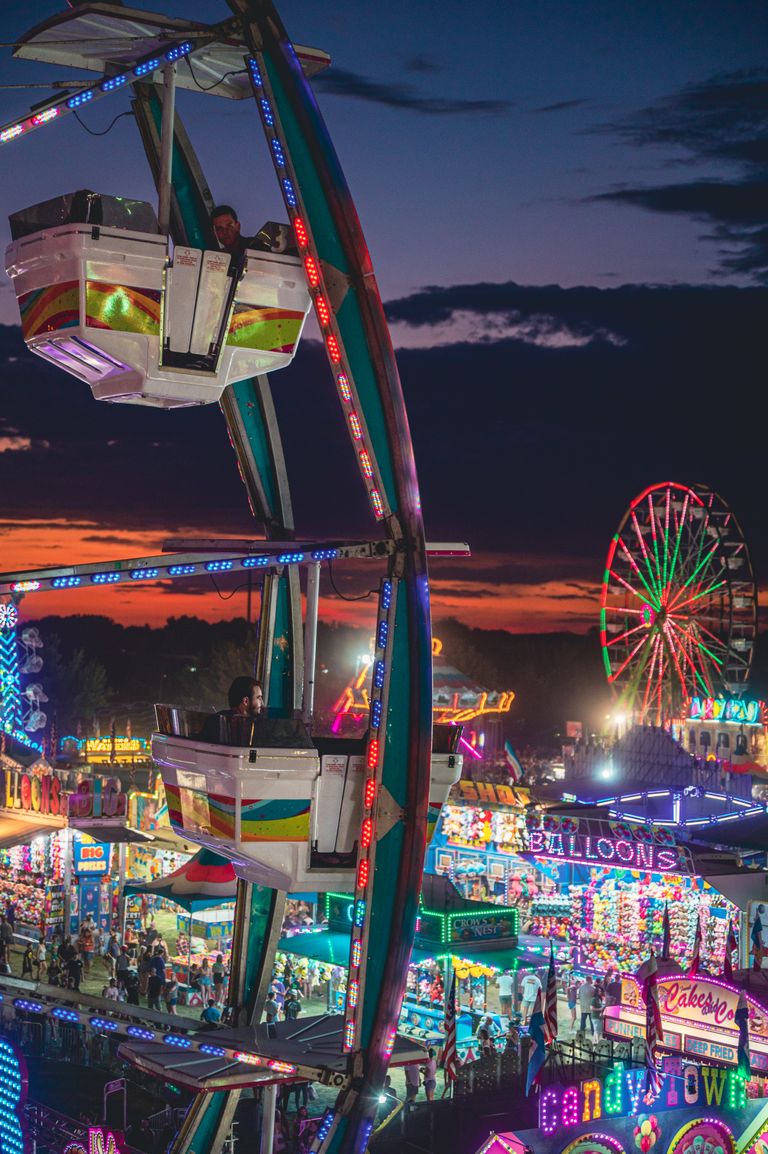
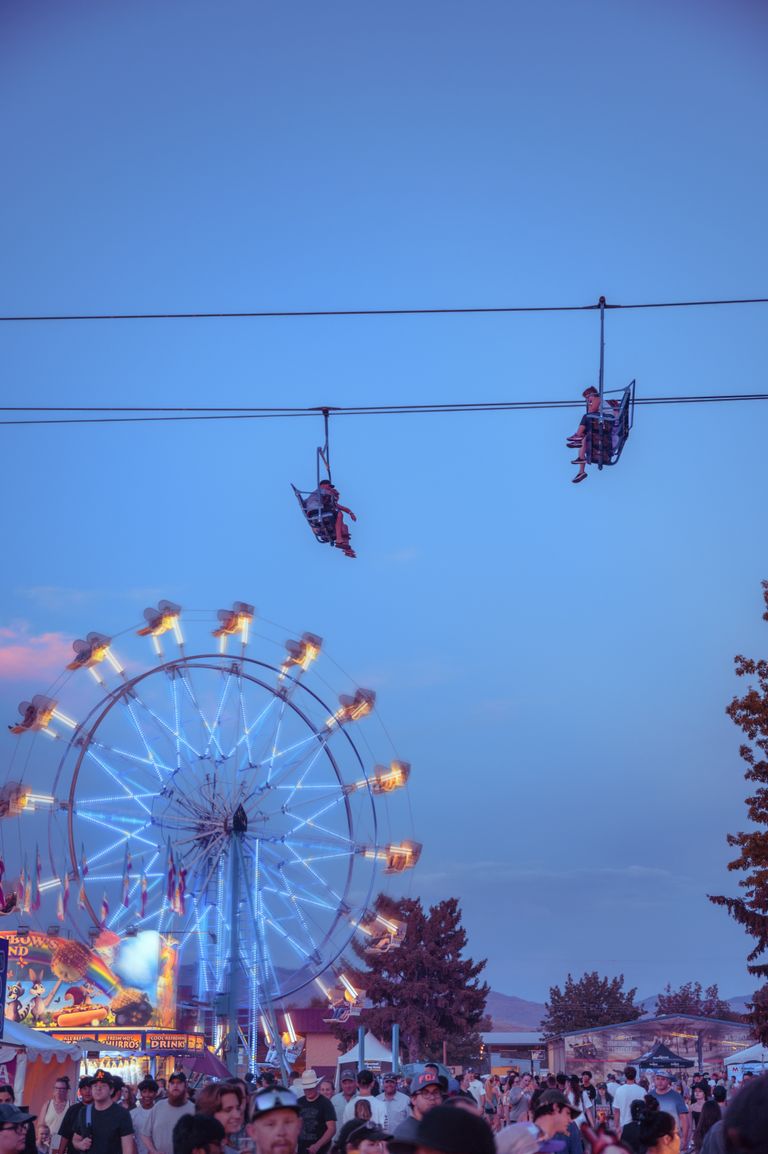
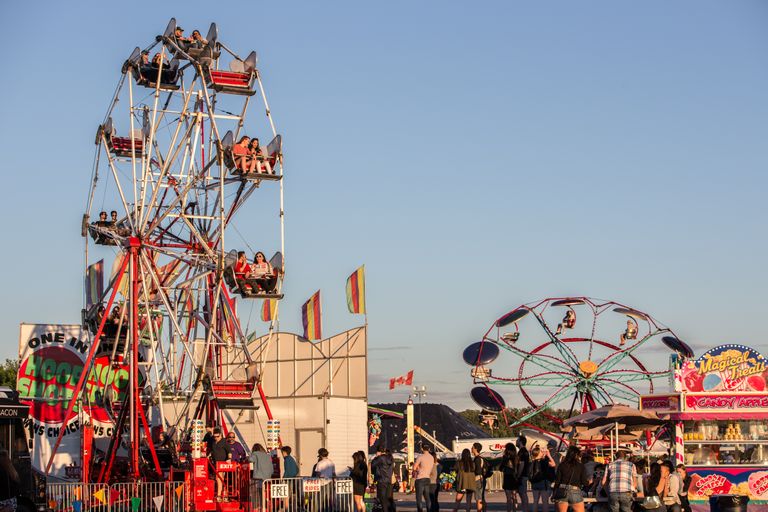
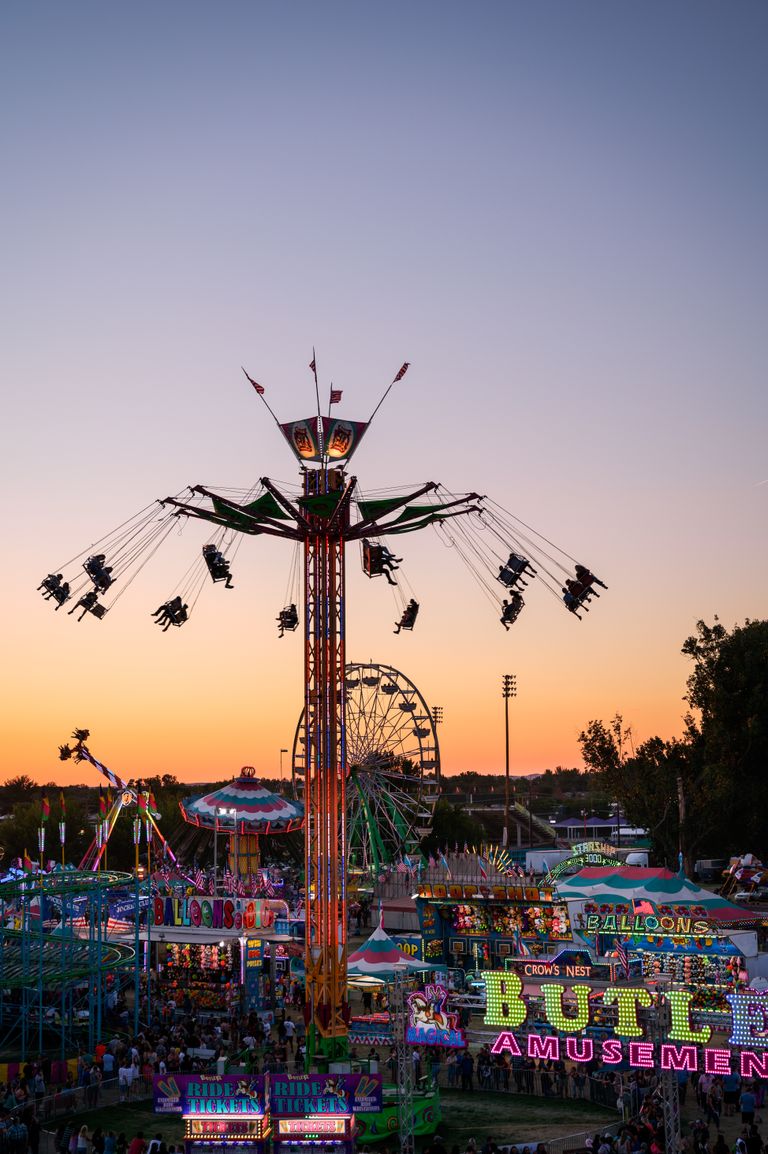
A traveling carnival and midway-style attractions may form part of the fair experience, but the operator, ride inventory, opening hours, and wristband arrangements should be confirmed for each edition. It would be misleading to promise a particular number of rides or a discount package without a published announcement.
Visitors can generally expect a county-fair food environment, with familiar choices such as sandwiches, burgers, fries, sweet treats, and refreshments possible at concessions. Specific vendors, local nonprofit food stands, featured menus, and special food traditions vary by year and should be verified from the event program.
Admission, parking, and daily hours
Current gate prices, grandstand ticket prices, parking fees, season passes, and free-admission policies for children or seniors require confirmation from the fair organizers. Admission to the grounds and tickets for a separate grandstand performance may be handled differently.
Visitors should also check whether tickets are sold online, at the gate, or through a combination of methods. Daily opening and closing times may change according to the livestock schedule and evening entertainment.
Facilities and Grounds
Exhibition buildings and livestock areas
The fairgrounds support the practical needs of an agricultural exhibition, including livestock presentation and youth project activities. Species-specific arrangements and the availability of individual barns or stalls should be confirmed with the relevant superintendent or fair office.
Explore Chickasaw County Iowa Fairgrounds Events for information about local fair schedules livestock exhibitions agricultural programs and vendor opportunities. Visitors can also discover Cherokee County Iowa Fairgrounds Events for more county fair details.
Exhibitors who need electricity, water access, animal pens, storage, or particular stall dimensions should make those requests before arrival. Publicly available information does not establish a reliable current count of exhibition buildings or the exact acreage of the property.

Grandstand and activity areas
Grandstand events are an important part of the Big 4 Fair’s identity. Demolition derbies and truck and tractor pulls bring spectators together for evening entertainment, alongside other programs announced for the particular fair year.
The current seating capacity, accessible viewing locations, admission arrangements, and weather-related procedures should be confirmed before attending a major performance.
Camping, parking, and accessibility
The Chickasaw County Extension fair page has included a camping form as part of its fair materials. This indicates that camping arrangements are addressed in the fair’s planning, but it does not establish that every type of campsite or hookup is available to every visitor.
Campers should confirm reservations, fees, electrical hookups, water and sewer facilities, length-of-stay rules, and check-in times before bringing an RV or trailer.
For parking, follow event-day signs and directions from staff rather than assuming a particular lot or overflow field will be available. Visitors requiring accessible parking, step-free routes, accessible restrooms, or other accommodations should ask fair management about the facilities available during their visit.
Vendor and Exhibitor Information
Applying for a commercial booth
Businesses interested in selling at the Big 4 Fair should contact the fair organizers before preparing their booth. They should ask about vendor applications, space dimensions, fees, electricity, food-service permissions, insurance, setup times, and rules covering signs or displays.
Food vendors may need additional documentation or approval under applicable food-safety requirements. Approval to attend as a general commercial vendor should not be treated as automatic approval to sell prepared food.
Entering competitive exhibits
Youth members and other eligible exhibitors should use the current fair book to determine the appropriate entry process. The book identifies applicable rules, exhibit categories, livestock requirements, and important deadlines.
For animal projects, participants should pay particular attention to identification and health requirements. For non-livestock exhibits, they should confirm display dimensions, judging procedures, drop-off times, and collection arrangements.
The fair office or appropriate department superintendent is the best source for questions about late entries, eligibility, and premium payments.
Getting to Chickasaw County Fairgrounds
Driving directions
The fairgrounds are on Highway 346 East in Nashua. Visitors traveling from New Hampton, the Chickasaw County seat, can plan a drive toward Nashua using the area’s connecting state highways and local roads. Because the most suitable route depends on the starting address and current road conditions, drivers should check a current navigation service before departure.
Visitors coming from Charles City or other nearby communities should use Nashua and Highway 346 East as their main geographic reference. During fair week, additional traffic, livestock trailers, pedestrians, and event parking may affect the approach to the grounds.
Public transportation and rideshare
A dedicated public-transit service or fair-week shuttle should not be assumed. Visitors who need transportation should check whether the organizers have announced special services for that year’s fair.
For rideshare drop-offs, arrange a meeting point that does not obstruct livestock trailers, emergency access, or the main entrance. Drivers should follow any temporary traffic controls established by event staff.
4-H and FFA at Chickasaw County Fairgrounds
Youth agricultural education
The Chickasaw County Extension and Outreach office plays an important role in the county’s 4-H fair activities. Its fair resources include general rules, species-specific livestock requirements, showmanship information, and materials for the annual achievement show.
The 4-H program gives young people opportunities to develop responsibility, recordkeeping, animal-care knowledge, communication skills, and confidence in public presentations. Preparing a project for the fair can involve months of work before the animal or exhibit reaches the judging area.
FFA members from participating local chapters also contribute to the county’s agricultural education tradition. Specific participating chapters and their schedules should be checked against the current fair program rather than inferred from the location of nearby schools.
The 4-H and FFA Achievement Show Auction
The annual 4-H and FFA Achievement Show Auction is an important part of the Chickasaw County youth program. It gives supporters an opportunity to recognize the work involved in preparing livestock projects and participating in agricultural education.
Auction arrangements, eligible exhibits, sale order, registration procedures, and buyer requirements should be checked in the current year’s auction materials. People interested in bidding should ask the organizers whether advance registration is required and how payment is handled.
The effect of a purchase on an exhibitor’s proceeds depends on the auction’s rules and any applicable resale or processing arrangements. Buyers should clarify those details with the organizers before bidding.
Special Events Beyond the Annual Fair
The Big 4 Fair’s best-established public identity is its Labor Day weekend program. The grounds may be considered for other community uses, but each additional event needs independent confirmation.
Grandstand shows and motor events
Demolition derbies and truck and tractor pulls are recognized Big 4 Fair attractions. These events bring a different audience to the fairgrounds from the livestock shows, with an emphasis on machinery, driving skill, and competitive entertainment.
The schedule may also include live music and family activities. Exact performers, start times, age restrictions, and ticket requirements should be checked against the event announcement.
Markets, exhibitions, and community fundraisers
Visitors looking for gun shows, flea markets, craft fairs, swap meets, horse shows, ATV competitions, or seasonal festivals should verify that an actual event has been scheduled at the Nashua grounds. These are possible categories of fairground activity, not a confirmed list of recurring Big 4 Fair events.
The same approach applies to private rentals and nonprofit fundraisers. An organization should obtain written confirmation of its booking, permitted activities, facilities, and associated costs before advertising an event at the property.
History of Chickasaw County Fairgrounds
From early agricultural exhibitions to the Big 4 Fair
Chickasaw County’s organized agricultural fair tradition dates back to the nineteenth century. Historical accounts describe an agricultural society organized in September 1857 and a fair held in New Hampton in 1858.
Early exhibitions were organized around agricultural improvement and community participation. In the nineteenth century, the society did not initially have permanent grounds and relied on arrangements made with local communities. Historical records describe later efforts to raise funds and establish permanent fairgrounds.
The Big 4 Fair in Nashua represents a continuing connection between agricultural education, local community life, and public entertainment. Its present-day livestock shows and youth achievement activities reflect the long-standing role of fairs in giving farmers and families a place to share knowledge and display their work.
Challenges and memorable years
The fair’s history includes periods when weather and wider events affected its operation. Historical accounts of Chickasaw County agricultural exhibitions record difficulties with rainy conditions and interruptions during the Civil War period.
The modern 4-H program also has a documented example of community resilience: flooding during the 2000 fair disrupted travel and delayed activities. Staff, volunteers, and young exhibitors continued caring for the animals, while local farmers helped supply hay. The livestock program subsequently resumed.
These experiences illustrate why animal care and contingency planning remain important even when a fair’s public schedule must change.

Frequently Asked Questions
When is the Chickasaw County Fair in 2027?
The Big 4 Fair is traditionally held over Labor Day weekend. The 2026 dates were September 3–7. The 2027 dates should be confirmed through the organizers’ next published schedule.
What time does Chickasaw County Fairgrounds open?
Opening times depend on the day and the activities scheduled. Livestock check-in, exhibit judging, carnival attractions, and grandstand shows may operate on different schedules. Check the current fair program before visiting.
Is there camping at Chickasaw County Fairgrounds?
Camping information and a camping form have been included in the county’s fair materials. Visitors should confirm availability, fees, hookups, reservations, and camping rules before arriving.
How do I enter livestock in the Chickasaw County Fair?
Start with the current Chickasaw County fair book and its livestock exhibitor rules. Check animal identification, health documentation, deadlines, check-in times, and species-specific requirements before bringing an animal to the grounds.
Are dogs allowed at Chickasaw County Fairgrounds?
A current, verified general pet policy is not established here. Contact fair management before bringing a dog, particularly during livestock exhibitions, and ask about service-animal arrangements and any restrictions.
Where do I park at Chickasaw County Fairgrounds?
The grounds are on Highway 346 East in Nashua. Follow signs and staff directions to designated event parking, and ask about accessible parking or overflow arrangements if needed.
Who do I contact to rent Chickasaw County Fairgrounds?
Contact the Big 4 Fair organizers to ask whether the grounds or specific facilities are available for rental. Confirm the date, fee, insurance requirements, permitted activities, utilities, and setup arrangements before booking.
How much does it cost to get into the Chickasaw County Fair?
Admission prices can change from year to year and may differ for grandstand entertainment, carnival attractions, and other activities. Check the current fair announcement for gate prices, advance tickets, and any concessions or discounts.
What events take place at the Big 4 Fair?
The fair is associated with livestock exhibitions, 4-H and FFA activities, demolition derbies, truck and tractor pulls, live music, and children’s activities. The exact schedule varies by year.
Where is the Big 4 Fair held?
The Big 4 Fair is held at the Big 4 Fairgrounds on Highway 346 East in Nashua, Chickasaw County, Iowa.
One Comment