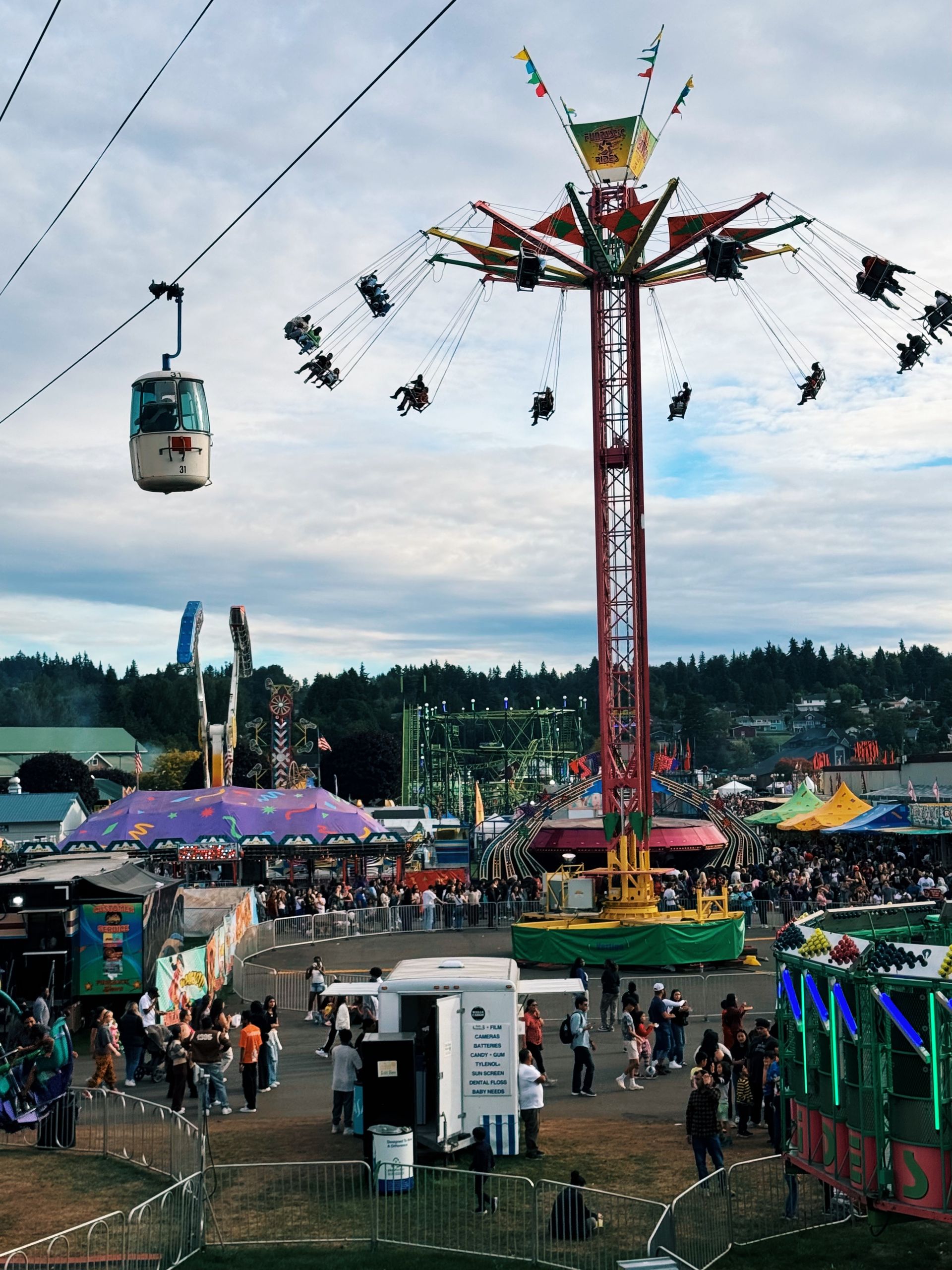
Butler County Kansas Fairgrounds Events
The Butler County Fairgrounds in El Dorado, Kansas, provide a gathering place for agricultural exhibits, youth competitions, community activities, and the annual Butler County Fair. Located at 200 N. Griffith Street, El Dorado, Kansas 67042, the fairgrounds are associated with the county’s long-running agricultural traditions and 4-H and FFA programs.
El Dorado, the county seat of Butler County, serves as the main administrative center for the surrounding communities, including Augusta, Andover, Towanda, and Benton. The fairgrounds give residents from across the county an opportunity to display their work, compete in organized events, and take part in a shared summer tradition.
The annual fair has roots dating to the late 1890s, according to the Butler County Fair Association. Its continuing focus on agricultural education, livestock, and youth achievement reflects the importance of farming and rural life throughout south-central Kansas.
The property includes facilities used for 4-H activities, livestock exhibitions, and other fair-related programs. The Community Building at 206 N. Griffith Street is a recognized location for fair activities. A precise acreage figure and a complete inventory of permanent buildings are not confirmed here.

Upcoming Events at Butler County Fairgrounds
Events throughout the year
The Butler County Fair is the principal annual event associated with the fairgrounds, but the property also supports activities connected with agricultural education and community use.
Visitors and participants may encounter:
- Livestock exhibitions and youth animal projects.
- 4-H and FFA competitions.
- Open-class exhibits featuring food, crafts, art, and agricultural products.
- Educational demonstrations and project judging.
- Community gatherings and approved private facility rentals.
The availability of rodeos, demolition derbies, tractor pulls, flea markets, gun shows, concerts, and other specialty events should not be assumed without a confirmed event announcement. These activities are not all established as regular Butler County Fairgrounds attractions.
How to find the latest schedule
The Butler County Fair Association and Butler County Extension Office are the most useful sources for confirming upcoming events, registration requirements, and schedule changes. The fair board also coordinates the annual fair and facility-use arrangements.
Because the annual fair takes place in July, summer is the key period for visitors planning around livestock shows, youth judging, and public exhibits. Events outside the main fair dates depend on the organizations using the facilities.
Facility rentals
The fairgrounds have a facility-use process for approved activities. Reservations require an application and deposit through the designated extension office, and the fair association’s board must approve the request. Reservations cannot be made more than 365 days in advance under the published procedures.
Anyone planning a private gathering, livestock-related activity, or organizational event should confirm the available buildings, fees, utilities, and permitted uses before making arrangements.
The Butler County Fair
Typical fair season: July
The Butler County Fair is held annually in July in El Dorado. Its exact schedule varies by year, and individual competitions may take place on different days.
The published 2026 information contains differing date ranges across official listings. For that reason, visitors should consult the current fair book and county announcements rather than rely on one unconfirmed date range. The 2027 schedule should be confirmed when the organizers publish it.
Livestock and competitive exhibits

Livestock and project exhibitions are central to the Butler County Fair experience. Young exhibitors prepare their animals and projects before fair week, learning animal care, recordkeeping, presentation, and competition skills.
The fair’s published program includes animal and project categories such as beef cattle, swine, poultry, rabbits, goats, sheep, and dairy-related entries, alongside other 4-H and FFA divisions. Specific classes and show times depend on the year’s fair book.
Explore Butler County Kansas Fairgrounds Events for information about county fair schedules agricultural displays livestock competitions and family activities. Visitors can also check Brown County Kansas Fairgrounds Events for more county fairground information.
Open-class exhibits extend participation beyond enrolled youth. Butler County residents can enter eligible items in categories that include baked goods, fiber arts, honey, crops, entomology, and other creative or agricultural projects.
Carnival, food, and entertainment
The fair’s public program includes family activities, food, and themed entertainment. The 2026 fair information highlighted Sunday activities such as carnival-style games, pedal races, and a photo booth.
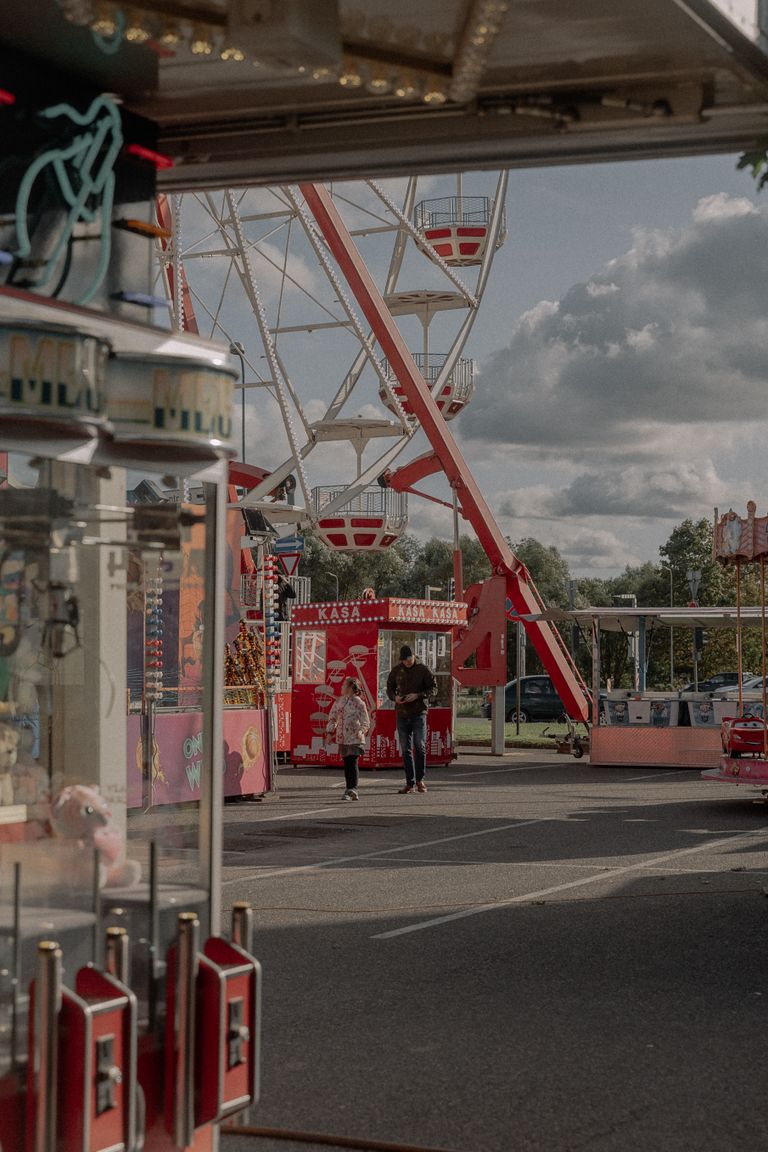
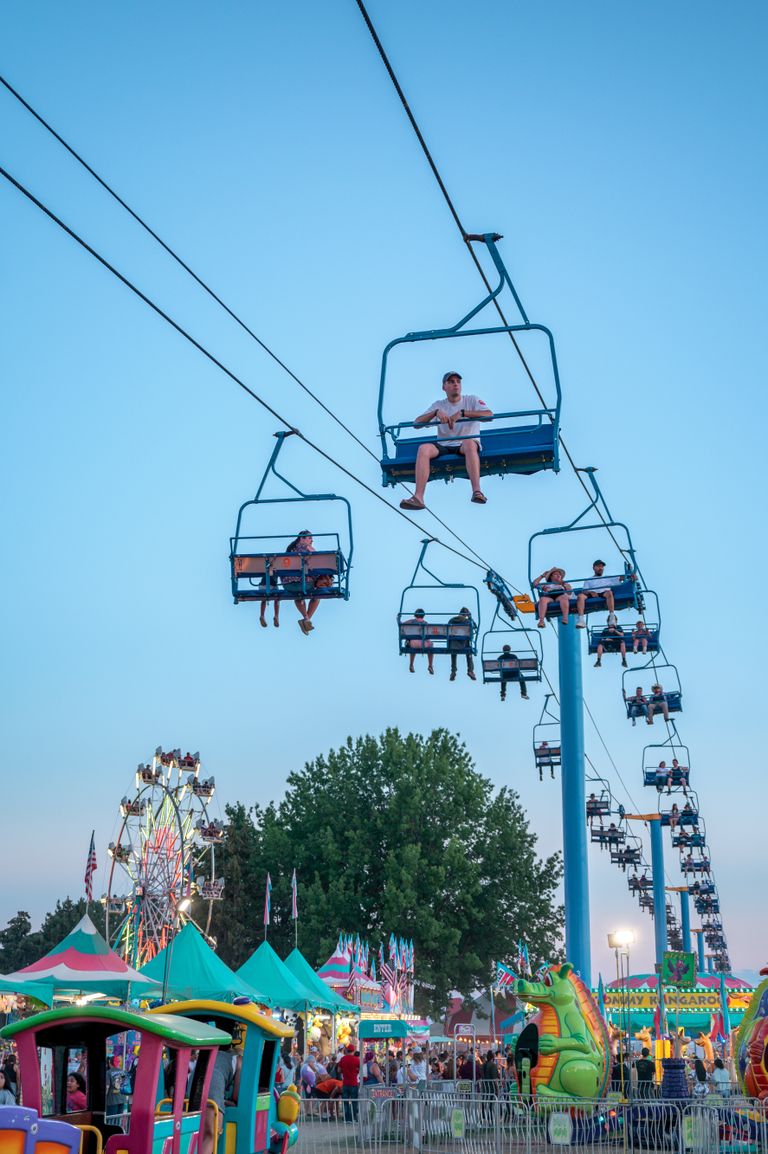
A traveling carnival, a particular number of rides, unlimited-ride wristbands, or a specific grandstand show should not be considered guaranteed features without confirmation for the relevant year. Visitors should also check whether individual attractions have separate charges.
Food options and concessions can change between fairs. Common county-fair fare may include snacks, baked goods, and refreshments, but the exact vendors and any locally organized food stands should be verified through the current program.
Admission and parking
Current admission prices, parking fees, season passes, and any free-admission policies for children or seniors require confirmation from the fair organizers. Visitors should check the applicable arrangements before travelling, especially if attending a particular competition or evening event.
Facilities and Grounds
The fairgrounds support agricultural exhibitions, livestock activities, and organized gatherings. The Community Building is one identified facility, while barns and associated animal areas are covered by the published facility-use procedures.
The precise number of exhibition buildings, livestock barns, grandstand seats, and commercial vendor spaces has not been established in the information available for this article. These details should be confirmed with the fair board before planning a large event or commercial display.
Accessibility and visitor amenities
Visitors who require accessible parking, step-free routes, or accessible restrooms should confirm the facilities available for the specific building and event. Similarly, camping arrangements, RV hookups, overflow parking, first-aid stations, ATMs, and concession locations should be checked with event organizers rather than assumed to be available.
Fairgrounds conditions can differ between livestock events, indoor exhibitions, and public fair days, so advance confirmation is particularly useful for visitors with mobility requirements or families travelling with young children.
Vendor and Exhibitor Information
Commercial vendors
Businesses and independent sellers interested in participating should contact the fair board to ask whether commercial booth spaces are available for the relevant event. Applicants should confirm booth dimensions, fees, setup hours, electricity access, insurance requirements, and any restrictions on the products they may sell.
A vendor application should not be treated as approval to operate. Space availability and event-specific conditions must be confirmed directly.
Competitive exhibits
The fair’s premium book explains the categories, entry rules, judging requirements, and awards for eligible exhibits. The fair also uses an online entry system for 4-H and FFA participants, with advance registration required for applicable divisions.
The 2026 registration information specified a June 22 pre-entry deadline for the listed 4-H and FFA entries. That deadline is historical and should not be reused for 2027 without confirmation. Open-class exhibitors should consult the relevant year’s rules for eligibility and deadlines.
Getting to Butler County Fairgrounds
Driving to El Dorado
El Dorado is the county seat of Butler County and a practical starting point for reaching the fairgrounds. The address at 200 N. Griffith Street identifies the main fairgrounds location, while the Community Building is listed at 206 N. Griffith Street.
Visitors travelling from Wichita or other nearby communities can plan their drive to El Dorado and use the street address for navigation. Those travelling from Augusta, Andover, or Towanda should check their preferred route and allow extra time during major fair activities.
The exact entrance and parking arrangements may depend on the event. Follow temporary signs and instructions from fair personnel when public attendance is high.
Public transportation and rideshare
A dedicated fair-week shuttle or regular public-transport service to the grounds has not been confirmed. Visitors should arrange transport in advance if they are not driving.
Rideshare passengers should agree on a pickup point that does not obstruct livestock deliveries, pedestrian entrances, or event traffic. Designated drop-off locations should be used when event staff provide them.
4-H and FFA at Butler County Fairgrounds

Youth education is a major part of the Butler County Fair. Local 4-H programs give young people opportunities to develop practical skills through projects, club activities, demonstrations, and competitive exhibitions.
Butler County’s listed 4-H clubs include Benton Busy Bees, Cassoday Boosters, El Dorado Trailblazers, Flint Hills, Hickory Helpers, Lily Lake, North Butler, Purple Heart, Towanda Rustlers, and Shooting Sports.
The fair’s published information identifies two FFA chapters in Butler County: Bluestem and Flint Hills. Their students can participate in agricultural education and eligible fair activities under the relevant division rules.
Junior livestock and project auction
The livestock and project auction gives eligible exhibitors an opportunity to present their work to buyers and supporters. The fair’s published rules have included livestock, rabbits, poultry, and static projects in the premium auction arrangements.
Auction eligibility, required club meetings, commission fees, buyer registration, and the handling of proceeds are governed by the rules for the particular year. Buyers and exhibitors should review those terms before the fair rather than assume that every project is sold under identical conditions.
Special Events Beyond the Annual Fair
The fairgrounds’ primary documented role is supporting the annual county fair, livestock exhibitions, youth projects, and approved facility use. Other activities may be possible when the fair association approves a rental.
A separate rodeo, motocross event, demolition derby, gun show, flea market, holiday festival, or concert should only be included in a visitor’s plans after a specific event has been announced.
Organizations considering the grounds for fundraisers, meetings, demonstrations, or livestock-related activities should ask about the available spaces, equipment, insurance, setup requirements, and scheduling restrictions.
History of Butler County Fairgrounds
Butler County’s fair tradition dates to the late nineteenth century. The fair association describes the county fair as a tradition dating back to the late 1890s, reflecting the long-standing role of agricultural exhibitions and community gatherings in local life.
Over time, county fairs have provided opportunities for farmers, families, and young exhibitors to share livestock, home-produced goods, crafts, and practical skills. In Butler County, the continued participation of 4-H and FFA members preserves that educational connection between agriculture and community life.
The fair association’s current structure includes a 15-member volunteer board representing the county’s five commissioner districts. The board works on fair planning and longer-term sustainability, while the extension service supports youth programming and fair competitions.
A detailed chronology of the fairgrounds’ construction, changes in acreage, historic attendance records, and past cancellations has not been confirmed here. Those details should be added only when supported by historical records or the organizers’ documented accounts.
Frequently Asked Questions
When is the Butler County Fair in 2026 or 2027?
The Butler County Fair is traditionally held in July. The 2026 listings contain differing date ranges, so consult the official fair schedule for the confirmed dates. The 2027 dates should be checked when announced.
What time do Butler County Fairgrounds open?
Opening hours depend on the event and competition schedule. Check the relevant fair-day program or contact the organizers before visiting.
Is there camping at Butler County Fairgrounds?
Camper information and registration forms have been published for the fair. Confirm available spaces, hookups, fees, and camping rules for the year you plan to attend.
How do I enter livestock in the Butler County Fair?
Eligible participants should review the current 4-H and FFA fair book, complete the required online pre-entry, and meet animal identification and eligibility rules before the deadline.
Are dogs allowed at Butler County Fairgrounds?
A general pet policy has not been confirmed here. Contact the organizers before bringing a dog, and do not assume that livestock areas permit pets.
Where do I park at Butler County Fairgrounds?
Use the designated event parking areas and follow signs or staff instructions. Confirm accessible parking and any special arrangements before arrival.
Who do I contact to rent Butler County Fairgrounds?
Contact the Butler County Extension Office at 206 N. Griffith Street, El Dorado, Kansas 67042, or call 316-321-9660 to ask about facility-use applications and reservations.
How much does admission to the Butler County Fair cost?
Admission prices and any separate charges vary by event and year. Check the current fair information for gate fees, parking charges, and special attractions.
Can adults enter exhibits in the Butler County Fair?
Yes. The fair’s open-class division encourages Butler County residents to enter eligible exhibits. Consult the current rules for categories, entry procedures, and deadlines.
Where can I find the Butler County Fair schedule?
The Butler County Fair Association, Butler County Extension Office, and county fair announcements provide information about dates, daily competitions, entry requirements, and schedule changes.
One Comment