Baca County Colorado Fairgrounds Events
The Baca County Fairgrounds in Springfield, Colorado, are a gathering place for southeastern Colorado’s agricultural community. Each summer, the grounds bring together 4-H and FFA exhibitors, livestock families, local residents, and visitors for the Baca County Fair and Rodeo. Livestock shows, youth project judging, horsemanship events, and the annual fair parade give the week its distinctly rural character.
The fair is especially important in a county where cattle production, farming, and small-town community life remain central to the local economy. For visitors, it offers a chance to see the work young exhibitors put into their projects. For local families, it is also a time to reconnect with neighbors and support the next generation of agricultural producers.
Overview of Baca County Fairgrounds

Location and address
Baca County Fairgrounds are located in Springfield, the county seat of Baca County in Colorado’s southeastern corner. The fairgrounds are associated with 28500 County Road 24.6, Springfield, CO 81073. Some event listings use other address formats for the venue, so exhibitors hauling livestock should confirm the correct entrance and unloading arrangements before traveling.
Springfield is a practical starting point for visitors coming from other Baca County communities, including Walsh, Vilas, Pritchett, and Campo. The surrounding area is characterized by open agricultural land, ranch roads, and long distances between towns.
Grounds, facilities, and management
The fairgrounds include livestock and exhibition areas used during the annual fair. The Minnick Building serves as a location for general project judging and exhibits, while livestock areas accommodate the scheduled animal shows and associated activities.
A precise acreage figure, complete facility inventory, and published grandstand capacity are not confirmed here. Visitors should not assume that every building or amenity is available outside fair week.
Colorado State University Extension’s Baca County office plays a central role in 4-H programming, fair entries, and youth project requirements. The fair itself is commonly known as the Baca County Fair and Rodeo, and the fairgrounds also support county agricultural and community activities.
Why the fairgrounds matter locally
For Baca County, the fair is more than a summer entertainment event. It gives young people a public setting to demonstrate animal care, recordkeeping, craftsmanship, and presentation skills. It also connects agricultural families with community members who may not work directly in farming or ranching.
The grounds provide a shared meeting place for residents spread across a large, predominantly rural county. That role becomes especially visible during fair week, when livestock exhibitors, volunteers, families, and spectators follow a schedule built around local youth and agriculture.
Upcoming Events at Baca County Fairgrounds

2026 Baca County Fair and Rodeo schedule
The published 2026 fair ran from July 26 through August 1, 2026. The dates have passed, so visitors planning ahead for 2027 should wait for the next official schedule rather than assume the same dates will apply.
The 2026 program included these activities:
- Sunday, July 26: Baca County shooting competitions at Cat Creek Shooting Range and team roping.
- Monday, July 27: General project interview judging and the Style Revue.
- Tuesday, July 28: 4-H horse show and livestock arrival and weigh-in activities.
- Wednesday, July 29: Rabbit and poultry shows, open-class and FFA exhibits, ranch horse versatility, and community food and music activities.
- Thursday, July 30: Beef and goat show activities.
- Friday, July 31: Large- and small-animal Round Robin showmanship competitions and the Junior Livestock Premium Sale.
- Saturday, August 1: The Baca County Fair and Rodeo parade.
The detailed daily program should be checked before making plans for a future year. Rodeo performances, roping events, and other entertainment can have their own starting times and admission arrangements.
Other events throughout the year
The annual fair is the main established event associated with the grounds. Other uses may include agricultural meetings, educational activities, livestock-related gatherings, and community events.
Do not assume that a demolition derby, motocross meet, gun show, flea market, or traveling carnival is scheduled simply because these events occur at fairgrounds elsewhere. Each needs a current local listing before it can be treated as a confirmed Baca County event.
Facility rentals may be possible, but availability, rental fees, insurance requirements, and permitted uses should be confirmed with the relevant county or fairgrounds contact.
The Baca County Fair and Rodeo

When is the fair held?
The Baca County Fair and Rodeo is a summer event, generally held around late July and early August. The confirmed 2026 dates were July 26–August 1. The 2027 dates should be verified when the next schedule is released.
Because livestock arrivals, judging, and public entertainment occur on different days, it is useful to plan around the specific event rather than treating the fair as one continuous public show.
Visitors interested in Archuleta County Colorado Fairgrounds Events can also explore community celebrations through Arapahoe County Colorado Fairgrounds Events. Both counties provide opportunities to discover local traditions, enjoy family-friendly activities, and explore seasonal gatherings across Colorado.
Livestock and agricultural competitions
Livestock activities are among the fair’s central attractions. The 2026 schedule included rabbit, poultry, horse, sheep, swine, beef, and goat-related activities, along with livestock weigh-ins and showmanship contests.
Youth livestock showing requires more than bringing an animal to the grounds. Exhibitors may need to meet identification, ownership, health, record-book, and entry requirements before fair week. The annual fair book provides the rules for each species and class.
The Minnick Building provides space for general project judging and exhibits. Depending on the year’s rules and entries, projects may include clothing and textiles, crafts, photography, art, woodworking, food preparation, and other educational work. The precise open-class categories should be checked in the current fair book rather than assumed from another county’s program.
Rodeo, parade, and community activities
The rodeo identity is part of the event’s public name, while team roping and horse activities appear in the published schedule. The Saturday parade brings the celebration into Springfield’s community life beyond the livestock areas.
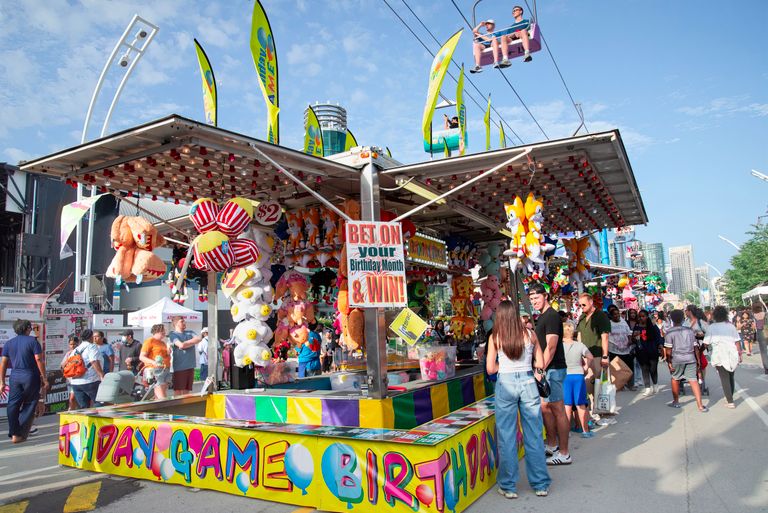
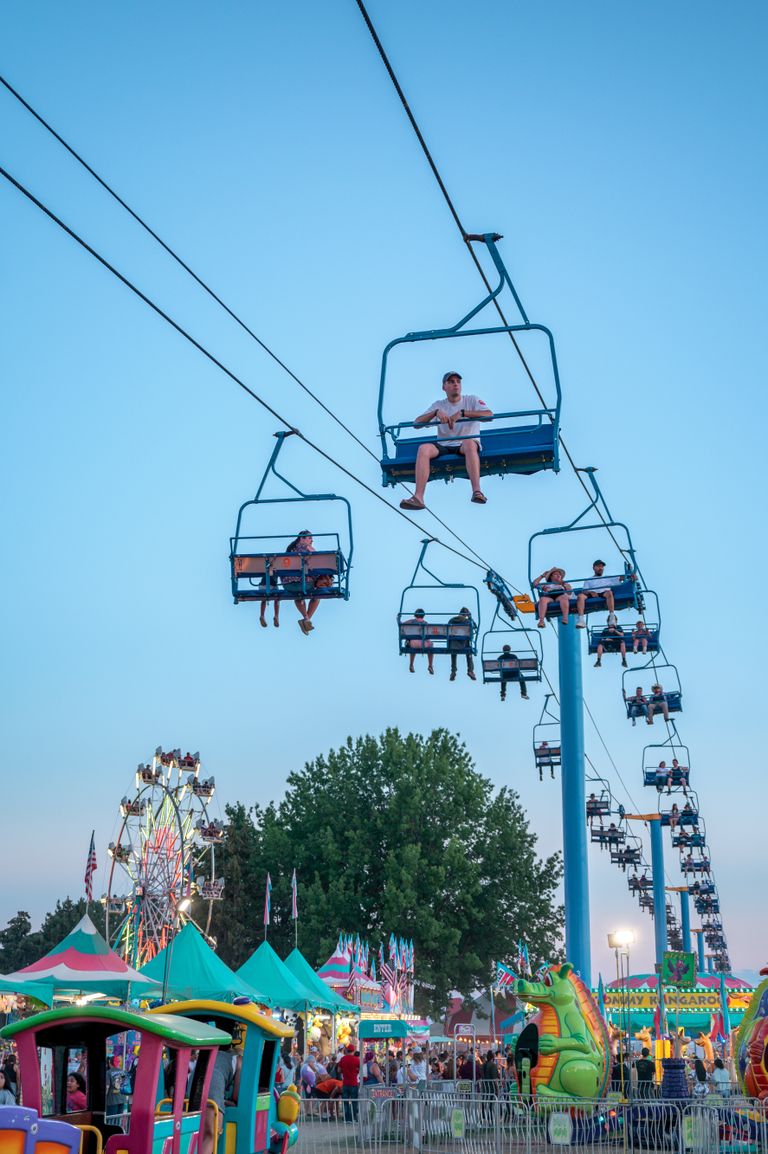
The 2026 program also listed the Style Revue, live music, and food activities. A traveling carnival, specific number of rides, midway wristband package, grandstand lineup, and ticket prices should not be assumed unless announced for that year’s event.
Admission and parking
Current admission prices, parking charges, and child or senior discounts need confirmation for each fair year. Some third-party listings have described free public access for Baca County fair activities, but individual rodeo or special-event policies may differ. Confirm before traveling, particularly if attending a ticketed performance.
Facilities and Grounds

Exhibition buildings and livestock areas
The Minnick Building is an important indoor space during fair week, particularly for general project judging and exhibits. Livestock areas are used for animal arrival, weighing, housing, and scheduled competitions.
The exact number of permanent exhibition buildings, individual barn capacities, and stall rental rates are not confirmed. Exhibitors should ask which species-specific facilities are available and whether bedding, pens, electrical connections, or overnight animal care arrangements are provided.
Arena and outdoor event space
Horse activities, team roping, and rodeo-related programming are part of the fair’s agricultural and western-event identity. Confirm the location of each competition and whether spectators need separate tickets.
A verified seating capacity for the grandstand or arena is not available here. Visitors with mobility needs should ask about accessible viewing areas, restroom access, and the most convenient route from parking.
Camping, parking, and visitor amenities
Do not assume that the grounds offer public RV hookups, dump stations, or overnight camping simply because livestock exhibitors may stay on site during fair week. Ask the fair office about camping rules, arrival windows, vehicle size limits, and electricity or water availability.
Parking instructions may change when animal trailers and public vehicles are using the grounds at the same time. Follow event signs and staff directions rather than parking in livestock unloading or emergency-access areas.
Accessible parking, paved routes, accessible restrooms, first aid, ATMs, and concessions should be confirmed for the particular event. Bring water and sun protection during summer activities, and allow extra time for livestock shows that start early in the morning.
Vendor and Exhibitor Information
Commercial vendors and food sellers
Businesses, artisans, and food sellers interested in participating should ask whether the upcoming fair accepts commercial booths or food concessions. Applications may require contact details, a description of products, booth dimensions, fees, proof of insurance, and any applicable food-service approvals.
Vendor availability should be confirmed directly. A booth application deadline or fee from a previous year may no longer apply.
Entering exhibits and livestock
For 4-H members, entry is tied to project enrollment and the relevant livestock or general-project rules. The 2026 FairEntry registration period was listed as June 1 through July 1, with late entries accepted through July 7 for a $25 late fee under the published registration instructions. These were 2026 deadlines, not confirmed dates for 2027.
The published instructions also distinguished 4-H online entries from FFA-only and open-class entries, which required contacting the office. Anyone planning to exhibit should obtain the applicable fair book and confirm the current year’s entry process before purchasing, transporting, or preparing an exhibit.
For questions about entries and youth programs, contact:
- Colorado State University Extension, Baca County
- 709 Colorado Street, Springfield, CO 81073
- Phone: 719-523-6971
Getting to Baca County Fairgrounds
Driving from Springfield and nearby communities
Springfield is the county seat and the most straightforward reference point for reaching the fairgrounds. Visitors already in town should use their navigation system with the fairgrounds’ County Road 24.6 address and follow event-specific signs as they approach.
Travelers from Walsh, Vilas, Pritchett, and Campo should allow time for rural highway and county-road driving. Those arriving from outside southeastern Colorado should plan fuel and rest stops before the final leg, as services can be spread out between communities.
Because approach roads and event entrances may be affected by livestock traffic, confirm directions with the organizers if towing a trailer or bringing an RV.
Public transportation and rideshare
Regular public transit and dedicated fair-week shuttles have not been confirmed. Rideshare coverage can also be limited in rural southeastern Colorado, particularly late in the evening. Arrange return transportation in advance if you expect to stay for a rodeo or other nighttime activity.
4-H and FFA at Baca County Fairgrounds

Local 4-H clubs and Extension support
Baca County 4-H lists six clubs:
- Whispering Winds 4-H Club
- Walsh Busy Bees 4-H Club
- Vilas Livestock 4-H Club
- Pritchett Westernaires 4-H Club
- Campo Trailblazers 4-H Club
- Big Rock 4-H Club
Club activities and meeting arrangements vary, so families should contact the Extension office about enrollment, project selection, and eligibility.
Colorado State University Extension helps coordinate youth agricultural education and fair requirements. Project work can involve animal care, recordkeeping, public presentation, horsemanship, and general exhibits. These activities make the fair a learning opportunity as well as a competition.
FFA and the Junior Livestock Premium Sale
The fair schedule includes FFA and open-class exhibits, along with a Junior Livestock Premium Sale. The sale gives eligible youth exhibitors an opportunity to present their projects to buyers and supporters.
The exact sale format, eligibility requirements, buyer registration, payment arrangements, and rules for proceeds should be confirmed in the current fair book. A premium purchase or add-on contribution may support an exhibitor, but buyers should check the terms rather than assume that every transaction works like a conventional livestock auction.
Local businesses, agricultural producers, and community members interested in supporting young exhibitors can ask the Extension office how buyer participation works in the next fair year.
Special Events Beyond the Annual Fair
The fairgrounds’ confirmed public identity is closely connected to the Baca County Fair and Rodeo. Team roping, horse activities, youth livestock shows, project exhibits, and community programming are documented parts of the annual schedule.
Other events—including swap meets, gun shows, motocross, ATV competitions, holiday markets, and touring concerts—should be treated as unconfirmed until a local organizer announces them. Outside organizations considering the site for a fundraiser, meeting, or private gathering should ask about rental availability, insurance, cleanup, livestock restrictions, and access to buildings.
For residents looking for upcoming events in Baca County, the Extension office and county’s community announcements are useful starting points. A listing from a previous year is not proof that the same event will return.
History of Baca County Fairgrounds
Baca County’s fair tradition reflects the agricultural history of southeastern Colorado, where livestock production and farming have long shaped community life. The annual fair brings those activities into a shared public setting, giving young people a chance to show their work and allowing families to gather around local competitions.
The fair has developed into a multi-day program that combines project judging, livestock shows, equestrian events, a youth premium sale, and a community parade. The Minnick Building’s role in general project judging shows that the program extends beyond livestock to other educational and creative projects.
A precise founding date for the present fairgrounds, a verified construction timeline for individual buildings, and documented records of unusual cancellations or attendance milestones are not established here. Those details should be checked against county archives, historic fair books, and local newspaper records before being published as facts.
Frequently Asked Questions
When is the Baca County Fair in 2026–2027?
The 2026 Baca County Fair and Rodeo ran from July 26 through August 1, 2026. The 2027 dates have not been confirmed here. Check the next published fair schedule before arranging travel.
What time does Baca County Fairgrounds open?
Opening times depend on the activity. During the 2026 fair, livestock barns were scheduled to open at 6 a.m. on Wednesday, July 29. Public access hours may differ, so check the schedule for your chosen day.
Is there camping at Baca County Fairgrounds?
Public RV and tent camping availability has not been confirmed. Contact the fairgrounds or Extension office to ask about overnight stays, hookups, fees, and rules for trailers.
How do I enter livestock in the Baca County County Fair?
Contact Colorado State University Extension in Baca County for the current fair book, animal identification rules, entry deadlines, and weigh-in requirements. Eligible 4-H and FFA exhibitors must meet the applicable project requirements.
Are dogs allowed at Baca County Fairgrounds?
A current general pet policy has not been confirmed. Ask the organizers before bringing a dog, particularly during livestock shows. Service animals are subject to applicable accessibility laws and venue rules.
Where do I park at Baca County Fairgrounds?
Use the designated event parking areas and follow signs or directions from fair staff. During livestock events, keep trailer unloading areas, gates, and emergency routes clear. Confirm parking arrangements before arriving with a large vehicle.
Who do I contact to rent Baca County Fairgrounds?
Start by contacting the county’s Extension office at 719-523-6971. Ask whether the intended building or outdoor area is available for your event and request current rental, insurance, and cleanup requirements.
How much does it cost to get into the Baca County Fair and Rodeo?
Admission varies by event and year. Although some listings have described free general fair access, separate rodeo or special-event charges may apply. Confirm current prices before attending.
What animals can be shown at the Baca County Fair?
The published 2026 program included beef cattle, sheep, goats, swine, rabbits, poultry, and horse-related competitions. Check the current fair book for eligible species, classes, and entry rules.
How can I become a vendor at the Baca County Fair?
Contact the fair organizers to ask whether commercial booth or food-vendor applications are available. Confirm the application deadline, booth fees, insurance requirements, and any necessary permits before making arrangements.
One Comment