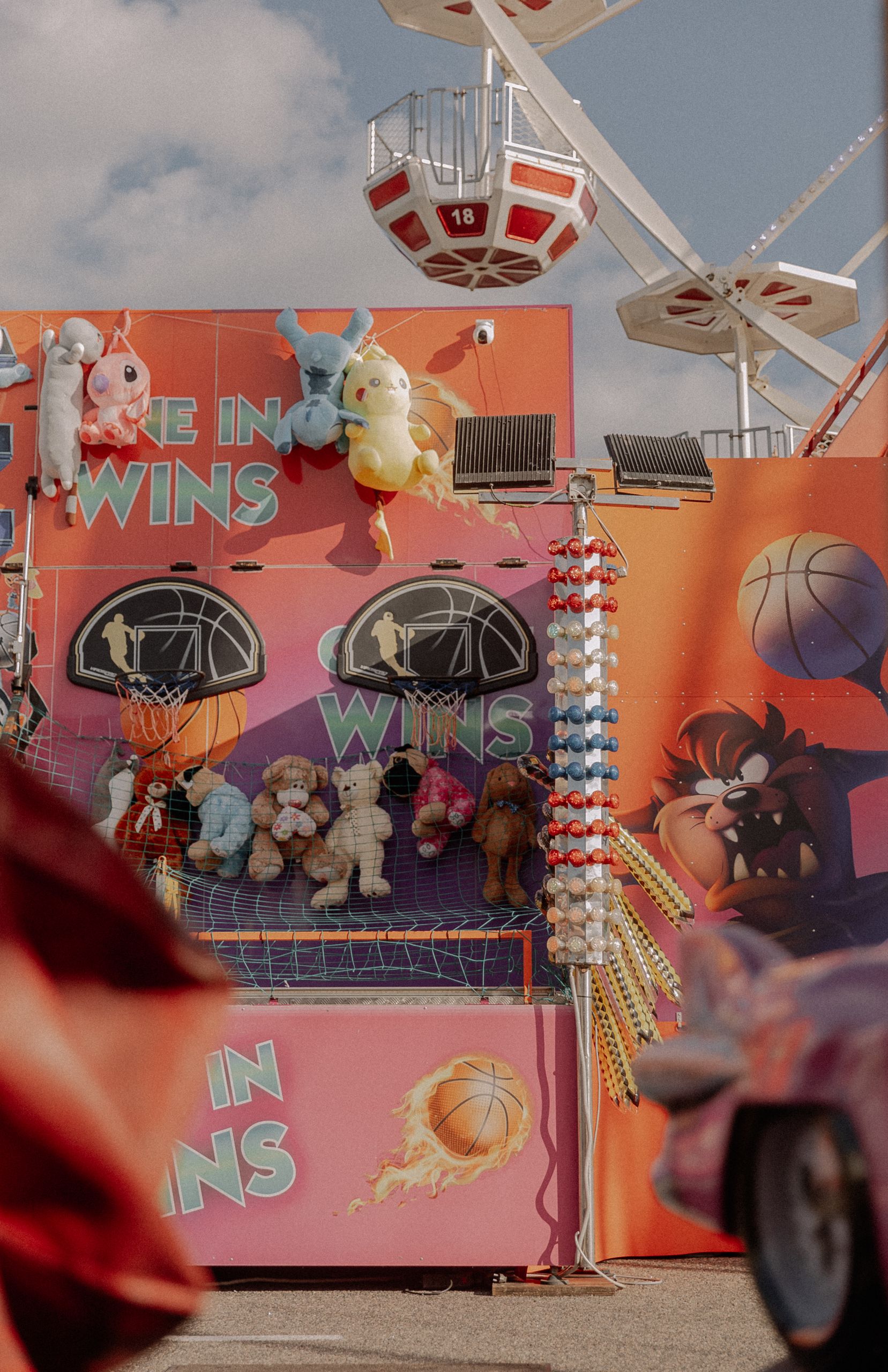
Santa Clara County California Fairgrounds Events
Santa Clara County Fairgrounds is a year-round event venue at 344 Tully Road in San Jose, California. Best known for the annual Santa Clara County Fair, the property brings together agricultural exhibitions, youth livestock competitions, carnival attractions, live entertainment, community gatherings, and commercial events in the heart of Silicon Valley.
Although Santa Clara County is widely associated with technology companies and urban development, its fairgrounds preserve an important connection to the region’s agricultural past. The annual fair gives young exhibitors opportunities to present livestock and other projects, while the grounds host public events throughout the year, including specialty shows, markets, and expos.
The 2026 Santa Clara County Fair ran from August 19–23, 2026. Those dates have passed, and the official fair organization has not yet announced the 2027 fair dates. Visitors planning ahead should distinguish the annual fair from the many other events scheduled at the property.
Overview of Santa Clara County Fairgrounds
Location and address
Santa Clara County, California

The official address is:
Santa Clara County Fairgrounds 344 Tully Road San Jose, CA 95111 Phone: 408-494-3100
The fairgrounds are in south San Jose, near Monterey Road and the US 101 corridor. Despite the county’s name, the property is in the city of San Jose, not the separate city of Santa Clara.
Tully Road is the main access point, and the venue’s location makes it reachable from communities such as Campbell, Morgan Hill, Milpitas, Sunnyvale, and Santa Clara. Visitors should check the route before departure because traffic on US 101, Monterey Road, and nearby surface streets can affect arrival times.
Size, facilities, and management
The fairgrounds’ official organization describes the property as approximately 150 acres, with about 167,000 square feet of covered space and outdoor areas suitable for festivals, exhibitions, and other large gatherings.
The property includes indoor event halls, livestock and agricultural facilities, exhibition spaces, outdoor event areas, and parking. Individual buildings serve different purposes, so the venue assigned to a particular event may affect entrances, parking arrangements, and accessibility.
Operations are overseen by the Santa Clara County Fairgrounds Management Corporation, a nonprofit organization that manages the property and produces the annual fair as an agent of Santa Clara County. The fairgrounds are not simply a once-a-year attraction: their event calendar supports community activities and commercial events throughout the year.
Why the fairgrounds matter locally
The grounds connect Santa Clara County’s agricultural history with its modern urban economy. Livestock shows and youth competitions maintain a place for animal husbandry, practical skills, and agricultural education, even as much of the surrounding region has developed into residential, commercial, and technology-focused communities.
For families, exhibitors, and longtime residents, the annual fair is a recurring opportunity to participate in a shared county tradition. For event organizers, the property provides a large venue within the South Bay.
Upcoming Events at Santa Clara County Fairgrounds

Events scheduled for the remainder of 2026
The fairgrounds operate throughout the year. As of October 20, 2026, published events include the following:
- La Pulgita – The People’s Flea Market: A recurring Wednesday market scheduled through December 31, with published hours of 3 p.m. to 10 p.m. at Parking Lot A.
- The Bernal Scream: A seasonal haunted attraction scheduled September 18 through November 8, 2026, at Gateway Hall.
- San Jose Reptile Show: Scheduled for October 24–25, 2026, at Expo Hall.
- Veterans Stand Down: A free community service event scheduled for November 5–6, 2026, at Pavilion Hall and additional spaces.
- Santa Clara County Rabbit & Cavy Show: Scheduled for November 14–15, 2026, at Pavilion Hall, featuring rabbit and cavy exhibitions and youth competition.
Event times, admission requirements, and individual schedules can change. Confirm the details for the specific event before traveling.
Seasonal event patterns
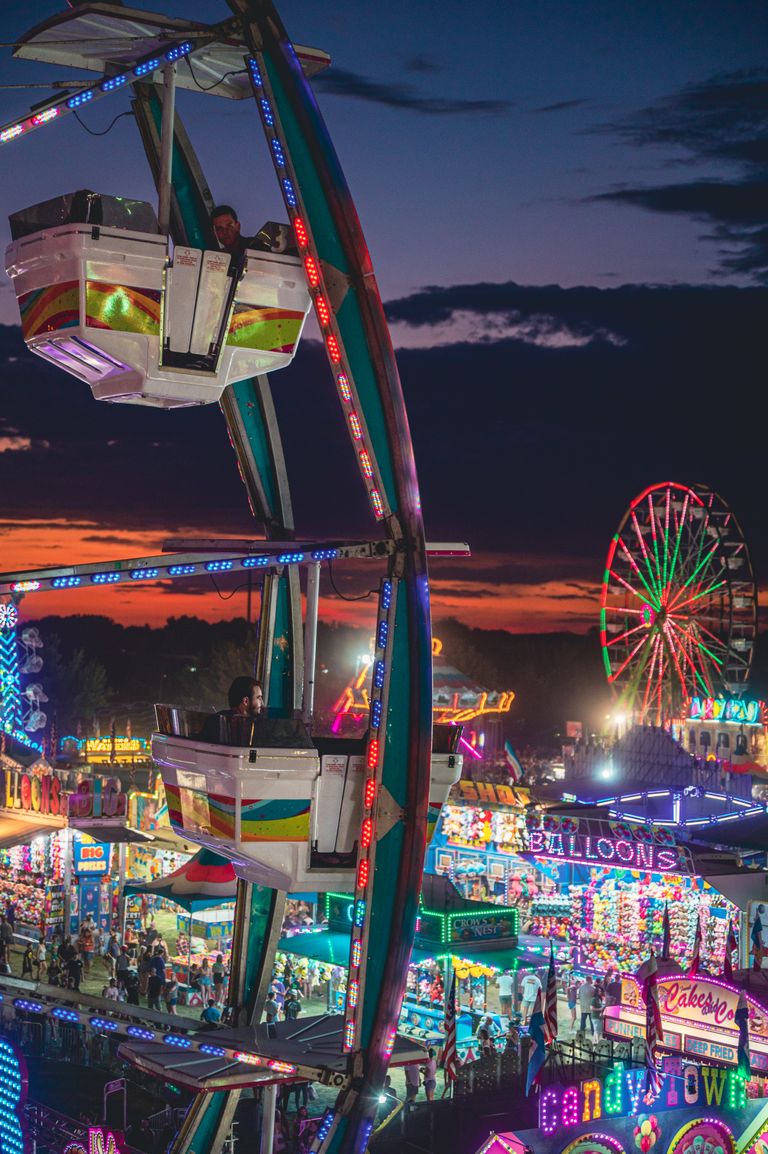
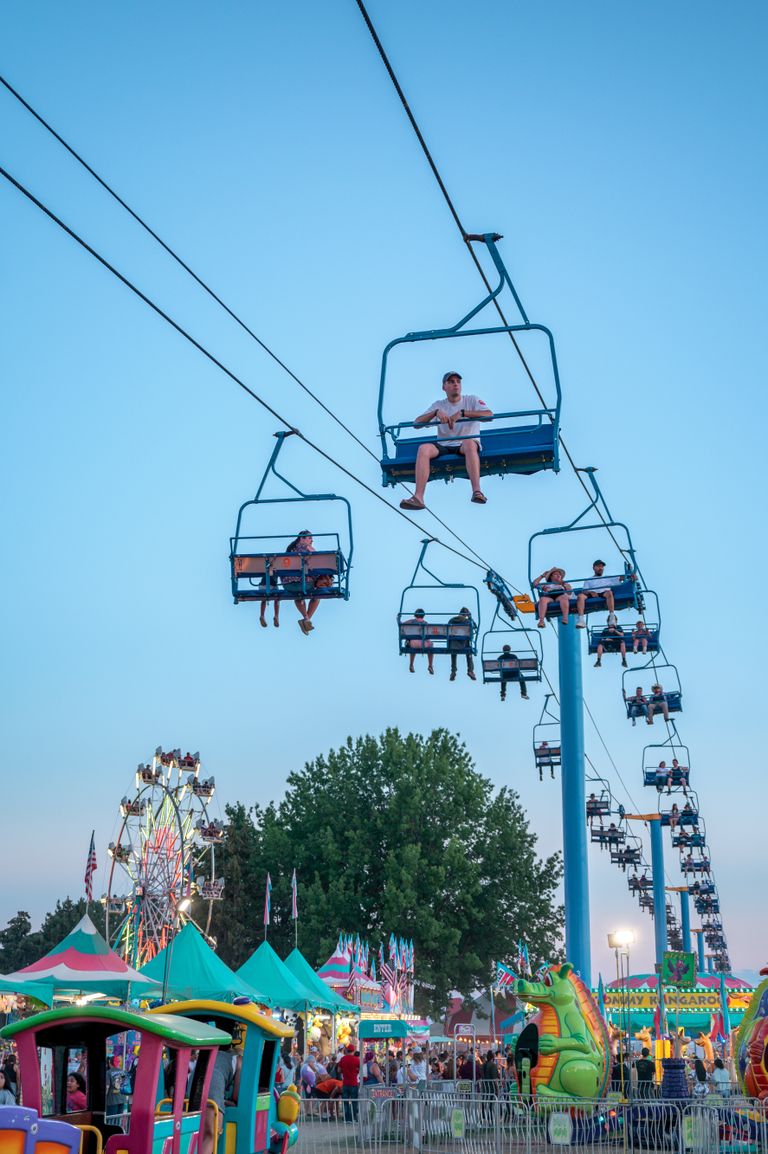
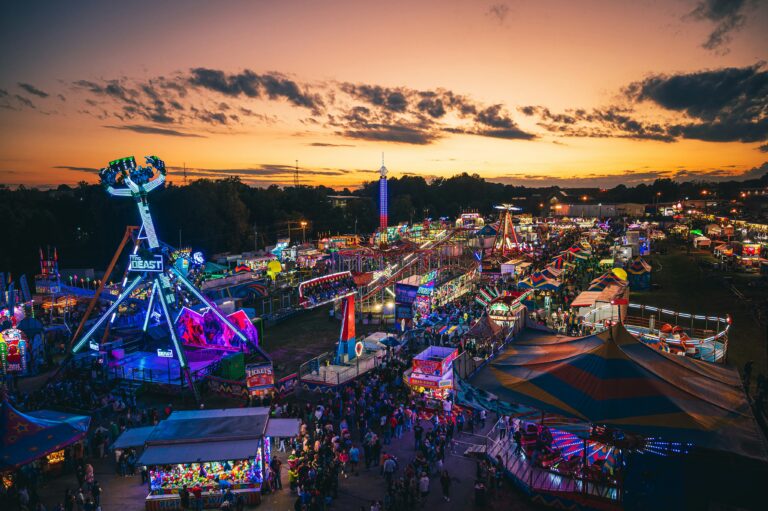
Summer is the main period for the Santa Clara County Fair, with carnival rides, agricultural displays, youth competitions, food vendors, and entertainment concentrated into several days.
The rest of the year offers a different mix. Fall includes Halloween attractions and specialty exhibitions, while indoor halls can accommodate animal shows, expos, markets, and community programs during cooler months. Recurring bingo sessions and other activities also appear on the calendar.
The venue hosts outside promoters as well as events organized by the fairgrounds management corporation. Potential renters should ask about the appropriate hall or outdoor space, availability, event capacity, insurance requirements, and setup arrangements.
How to check the current calendar
The official event calendar is maintained by the Santa Clara County Fairgrounds at thefairgrounds.org. The annual fair’s dedicated information is published at thefair.org. These are the primary places to confirm event dates, ticket details, maps, and changes.
A general event listing does not necessarily mean the entire property is open to the public. Some halls may be reserved for private events, registered exhibitors, or ticket holders.
The Santa Clara County Fair
Fair dates and annual schedule
The Santa Clara County Fair is the property’s signature annual event. In 2026, the fair ran August 19–23, 2026, Wednesday through Sunday, under the theme “Fired Up and Hare to Stay.”
The published 2026 schedule listed these hours:
- Wednesday and Thursday: 4 p.m.–10 p.m.
- Friday and Saturday: 1 p.m.–11 p.m.
- Sunday: 1 p.m.–10 p.m.
The 2027 Santa Clara County Fair dates have not yet been announced. The fair organization says future dates will be posted through its official channels. Do not assume the 2026 schedule will automatically carry over to 2027.
Visitors exploring Santa Clara County California Fairgrounds Events can also discover local gatherings through Santa Barbara County California Fairgrounds Events. Exploring both counties allows families and travelers to discover regional traditions, enjoy seasonal activities, and plan memorable outings throughout California.
Livestock, agriculture, and competitive exhibits
Agriculture remains an important part of the fair, even in a county better known for Silicon Valley. The junior livestock program gives eligible young people the opportunity to prepare animals, learn showmanship, and participate in a competitive exhibition.
Livestock and small-animal programs may feature categories such as beef cattle, sheep, swine, goats, poultry, rabbits, and other eligible animals, depending on the year’s entry rules. Competitive exhibits also provide opportunities for creative and practical work, including arts, crafts, photography, and home-related projects.
The official exhibitor materials specify the categories accepted in each year’s fair. Do not assume that every species or exhibit category is available every year.
Carnival rides, food, and entertainment
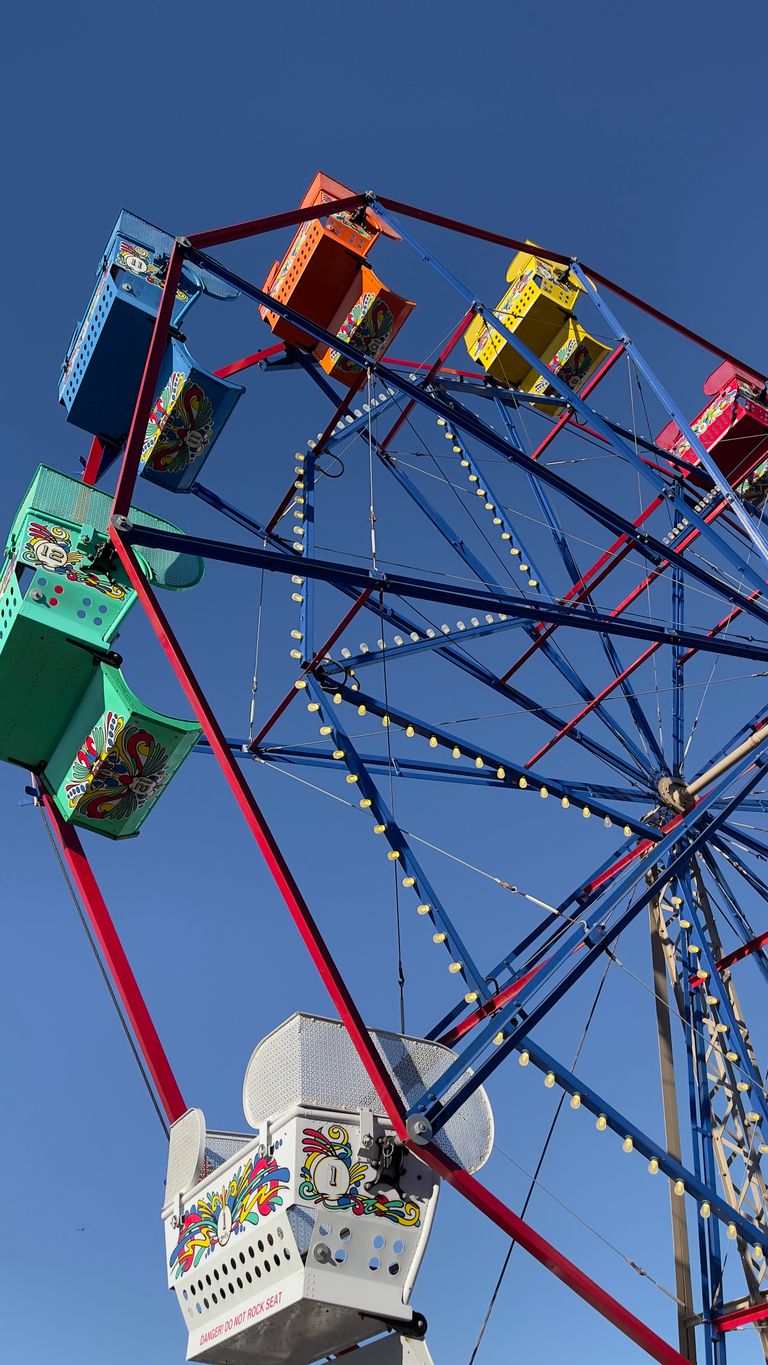
The fair’s summer midway is a major attraction for families and visitors looking for rides, games, and traditional fair food. The 2026 event advertised carnival attractions, live music, performances, commercial vendors, and family activities.
Typical fair-food choices may include corn dogs, funnel cakes, fried treats, barbecue, and other festival favorites, but the actual vendors and menus change from year to year. Visitors should consult the current food-vendor list rather than rely on an old lineup.
Ride counts, individual ride restrictions, wristband deals, and carnival operating hours are not fixed annual details. Check the ticketing and midway information before buying admission or making plans around a particular attraction.
Entertainment can include stage performances, local and touring acts, and family activities. The exact lineup is published for each fair, so specific performers or grandstand events should not be assumed until announced.
Admission, parking, and fair policies
Admission prices and parking charges depend on the year’s ticket program. The official ticketing information is the appropriate source for current prices, advance offers, and any special admission policies for children or seniors.
The 2026 fair has concluded, and its ticket sales are closed. The next fair’s prices should be treated as unconfirmed until the organizers publish them.
Before attending, review the fair’s entry policy. The published rules allow registered service dogs but prohibit ordinary pets and emotional-support animals at the fair. Other restrictions apply to items such as weapons, glass containers, drones, and certain outside food or equipment.
Facilities and Grounds

Exhibition halls and livestock areas
The property contains multiple permanent indoor facilities and outdoor event spaces. Named venues include Gateway Hall, Fiesta Hall, Expo Hall, Pavilion Hall, and other exhibition areas. They accommodate different event formats, from animal exhibitions and specialty shows to commercial displays and public gatherings.
Livestock facilities support agricultural programming and junior competitions. Stall assignments, animal arrival times, bedding requirements, veterinary rules, and cleanup procedures are determined by the relevant show or fair regulations. Exhibitors should use the current entry guide instead of relying on informal instructions from previous years.
Outdoor areas, parking, and accessibility
Outdoor areas and parking lots provide space for fairs, markets, festivals, and large public events. Parking arrangements are event-specific: a flea market may use different lots from the annual fair, while a private exhibition may designate separate entrances or reserved spaces.
The fair’s visitor information and event maps identify facilities such as accessible parking, restrooms, first aid, information points, and food seating. Check the map for the event you intend to attend because building access and the location of services can vary.
Do not assume that every outdoor area is paved or that every event has identical accessibility arrangements. Visitors with mobility needs should contact the organizer in advance to confirm the nearest accessible entrance, drop-off point, and available parking.
Camping and other amenities
The venue has substantial indoor event space and outdoor areas, but that does not establish that public RV camping is available for every event. Confirm overnight parking, hookups, vehicle restrictions, and camping permission directly with management before planning to stay on-site.
Amenities such as concessions, ATMs, first aid, and restrooms may be provided during major events. Their locations and operating hours can vary. Smaller events may offer fewer services than the annual fair.
Vendor and Exhibitor Information
Commercial vendors and food concessions
Businesses interested in selling products at the Santa Clara County Fair must apply through the fair’s vendor program. Commercial spaces are selected according to the type of product, variety of offerings, available space, and event requirements.
Food concessions follow a separate application process. Applicants should expect to provide information about their menu, business, operating needs, and any required health or safety documentation.
For 2026, the published commercial vendor application deadline was May 22, while the concession application deadline was June 15. Both deadlines have passed. These dates should not be treated as the deadlines for the 2027 fair.
Questions about commercial vendor participation can be directed to [email protected]. For food concession inquiries, use the official concession inquiry process.
Competitive exhibitors and entry deadlines
People interested in entering livestock, small animals, arts, crafts, or other competitive exhibits should begin with the official exhibitor information and the relevant year’s entry guide.
The guide explains eligible divisions, entry procedures, animal requirements, fees, deadlines, judging arrangements, and any required forms. Livestock entries may involve additional eligibility rules and health documentation.
A previous year’s premium book is useful for understanding the general process, but it is not a substitute for the current year’s rules. Contact the fair office at 408-494-3100 if you need help identifying the correct forms or department.
Getting to Santa Clara County Fairgrounds
Driving directions
The fairgrounds are at 344 Tully Road in San Jose, near the Monterey Road corridor and US 101.
- From downtown San Jose: Travel south toward Tully Road and follow event signage to the fairgrounds entrance.
- From Santa Clara and Sunnyvale: US 101 is a practical route toward south San Jose; follow the current directions to Tully Road.
- From Morgan Hill and Gilroy: US 101 north toward San Jose is a common approach, followed by local streets to the entrance.
- From Milpitas: US 101 south or other suitable South Bay routes can connect to the Tully Road area, depending on traffic.
These are general approaches, not turn-by-turn instructions. Check live traffic and the event’s designated parking entrance before leaving.
Public transportation and rideshare
The fairgrounds’ official information states that public transportation serves a stop at the main entrance on Tully Road. Check current VTA routes, timetables, and service alerts before traveling, especially for evening events.
For rideshare trips, use the pickup and drop-off location designated by the event organizer. During large events, traffic controls may prevent drivers from stopping at the main gate, and the assigned meeting point may be different from the normal entrance.
Parking charges, shuttle availability, and traffic controls should be confirmed for the specific event.
4-H, FFA, and Junior Livestock Programs
Youth agricultural education
Santa Clara County Fairgrounds provides a venue for youth agricultural competitions, including the Junior Livestock Show and other eligible animal exhibitions. These programs give young exhibitors practical experience in animal care, recordkeeping, presentation, responsibility, and public speaking.
Local 4-H clubs and Future Farmers of America (FFA) chapters are important parts of California’s agricultural education network. Eligible members may participate through the fair’s published youth divisions, subject to age, membership, project, and entry requirements.
The University of California Cooperative Extension’s Santa Clara County office is a useful resource for local 4-H information. However, the fairgrounds management corporation, youth program leaders, and relevant show committees may have separate responsibilities for entries and competition logistics. Confirm the correct contact for the specific program.
Junior livestock auction: how it works
A junior livestock auction gives eligible exhibitors an opportunity to present animals they have raised to prospective buyers. Buyers may include local businesses, agricultural supporters, community organizations, and individuals who want to support youth projects.
The process generally involves exhibitor registration, animal eligibility checks, judging, buyer participation, and completion of the sale under the fair’s rules. Payment arrangements, animal ownership, processing, resale options, and the final amount received by the exhibitor depend on the program’s terms.
Anyone interested in bidding should request the current buyer information, auction schedule, payment instructions, and animal-handling rules from the fair’s exhibitor department. Do not assume that auction proceeds are distributed in the same way for every species or that registration automatically qualifies someone to bid.
Special Events Beyond the Annual Fair
The fairgrounds’ year-round calendar is one of its most useful features for South Bay residents. Events outside fair week can offer very different experiences from the summer midway.
Markets, expos, and specialty shows
Recurring markets such as La Pulgita provide opportunities to browse secondhand goods and discover local sellers. Specialty exhibitions, including reptile shows, attract enthusiasts, families, and vendors from across the region.
Rabbit and cavy shows provide another connection to the property’s agricultural and animal-exhibition role. These events can include breed classes, judging, and youth participation, with requirements set by the show’s organizers.
Haunted attractions and community programs
Seasonal attractions such as The Bernal Scream make use of indoor venues during autumn. The property also hosts community programs, including the scheduled Veterans Stand Down, which provides services to veterans.
Bingo sessions and other recurring activities can bring visitors to the grounds outside major festivals. Their schedules, eligibility rules, and admission arrangements differ from those of ticketed exhibitions.
Private rentals and other event types
The fairgrounds are available for outside events, subject to venue availability and management requirements. Potential uses include exhibitions, meetings, public gatherings, festivals, and commercial events.
Although agricultural shows are a historic part of the property’s identity, visitors should not assume that every traditional fairground activity—such as rodeos, demolition derbies, tractor pulls, motocross, or gun shows—is currently scheduled. Check the live calendar for confirmed listings.
History of Santa Clara County Fairgrounds

From the early county fair to a regional event venue
The history of the Santa Clara County Fairgrounds reaches back to the late 1930s. The Santa Clara Valley Fair Association was formed in 1937, and Santa Clara County purchased the property in 1940 for $35,000. The land was formerly known as Mira Monte Ranch.
The first fair took place in October 1941. World War II interrupted the early schedule, and the fair did not return until 1946. Annual fairs continued thereafter, establishing the grounds as a recurring gathering place for residents and agricultural exhibitors.
The original property covered about 97 acres. By 1951, the site had expanded to approximately 189 acres. The grounds developed around a one-mile racetrack and grandstands, where horse racing and automobile racing were among the early attractions.
Buildings, changing uses, and community traditions
A replica of California’s first state capitol building was constructed on the property in 1950. The following decade brought additional exhibition facilities, animal barns, and administration buildings. The recognizable entrance arch was built in 1956.
During the fair’s peak years in the 1960s, attendance reportedly exceeded 300,000 visitors. The property also hosted a wide range of non-fair activities, including cultural celebrations, school events, performances, and community gatherings.
Over time, the grounds’ footprint and the role of the annual fair changed as Santa Clara County developed. The venue now combines agricultural exhibitions with commercial rentals, markets, specialty shows, and public programs.
The interruption during World War II is a documented example of the fair’s early disruption. Other historical claims about record attendance, additional cancellations, or major renovations should be checked against archival records before being repeated as fact.
Frequently Asked Questions
When is the Santa Clara County Fair in 2027?
The 2027 dates have not yet been announced. The 2026 Santa Clara County Fair took place August 19–23. Check the official fair calendar for the next confirmed dates.
What time does Santa Clara County Fairgrounds open?
There is no single opening time for the entire property. Each event sets its own public hours. During the 2026 fair, gates opened at 4 p.m. Wednesday and Thursday and at 1 p.m. Friday through Sunday.
Is there camping at Santa Clara County Fairgrounds?
Public camping and RV facilities should not be assumed to be available. Contact fairgrounds management to verify whether overnight stays, RV parking, or hookups are permitted for your event.
How do I enter livestock in the Santa Clara County Fair?
Review the current exhibitor guide and junior livestock entry information. Follow the published eligibility, registration, animal-health, and deadline requirements. Contact the fair office if you need assistance identifying the appropriate division.
Are dogs allowed at Santa Clara County Fairgrounds?
The published annual fair entry policy permits registered service dogs but prohibits ordinary pets and emotional-support animals. Rules for other events may differ, so check the policy for the event you plan to attend.
Where do I park at Santa Clara County Fairgrounds?
Parking depends on the event. Follow the designated entrance signs and check the event map for available lots, accessible spaces, fees, and any overflow arrangements. Do not assume that the annual fair’s parking setup applies to smaller events.
Who do I contact to rent Santa Clara County Fairgrounds?
Call 408-494-3100 to ask about facility rentals, available halls, outdoor space, capacity, pricing, and event requirements. Rental terms depend on the venue and intended use.
How much does it cost to get into the Santa Clara County Fair?
Admission prices vary by year and ticket type. The 2026 fair has ended, and prices for the 2027 event have not been confirmed. Consult the official ticketing information when the next sale opens.
Where is Santa Clara County Fairgrounds located?
The address is 344 Tully Road, San Jose, CA 95111. The grounds are in south San Jose, with access from the Tully Road and Monterey Road area.
Are there events at the fairgrounds outside fair week?
Yes. The venue hosts year-round activities, including markets, specialty exhibitions, community programs, and indoor shows. Check the current calendar for confirmed dates and admission details.

One Comment