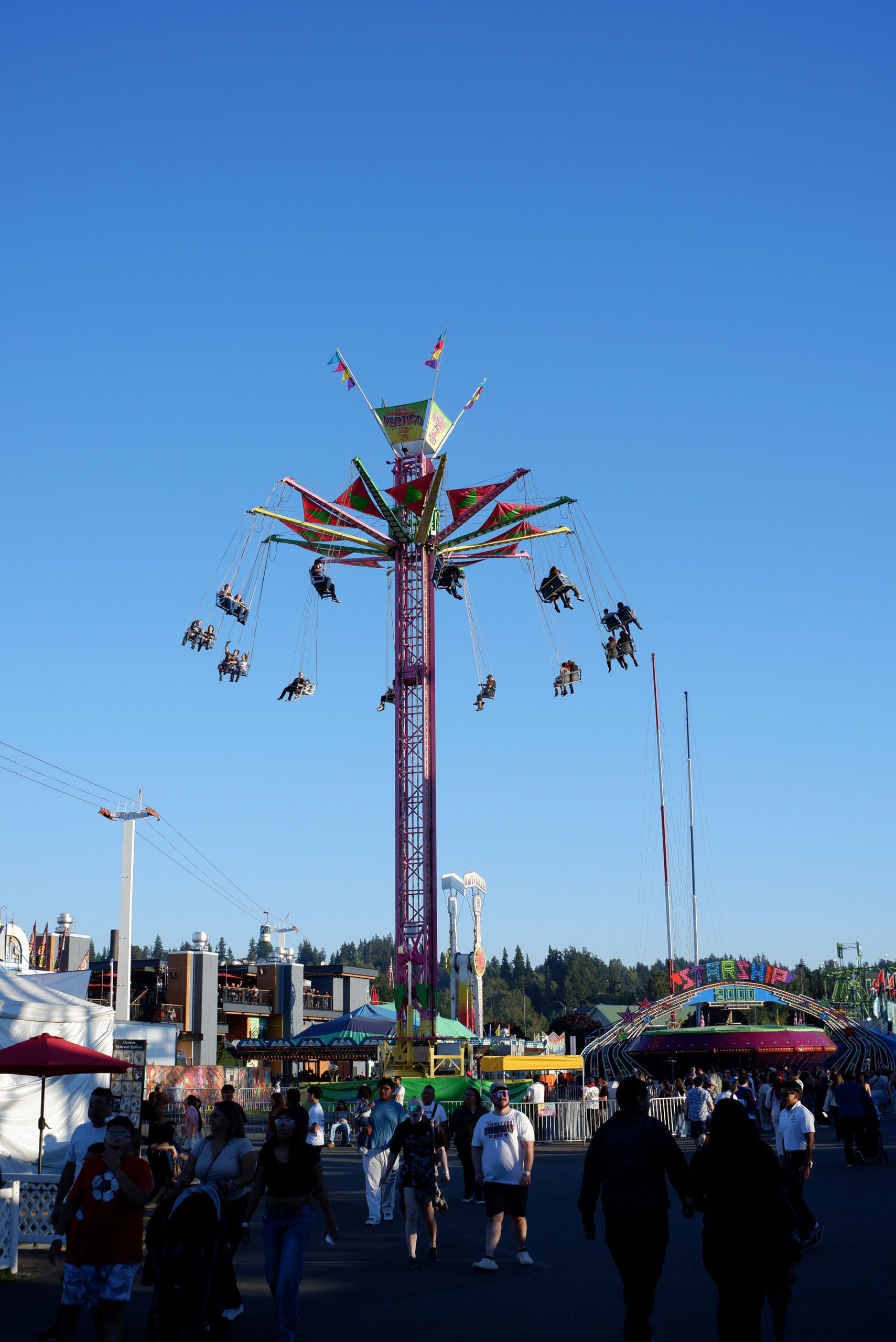
Kingman County Kansas Fairgrounds Events
Kingman County, Kansas, has a strong agricultural identity shaped by farming, livestock production, and small-town community life. The county fair is an important part of that tradition, providing an opportunity for local families, young exhibitors, agricultural organizations, and visitors to gather around livestock competitions, educational exhibits, and community activities.
Kingman is the county seat and the principal community for visitors exploring county services and local events. The Kingman County fairgrounds serve the agricultural and youth-development traditions associated with the area, although specific facility details, the current grounds address, and the operating arrangements should be confirmed through local fair organizers before a visit.
Location and purpose
Kingman County lies in south-central Kansas, west of Wichita. Visitors traveling from Wichita generally use the regional highway network to reach Kingman, while residents of nearby communities such as Cheney, Norwich, and Cunningham can approach from different parts of the county and surrounding area.
The fairgrounds’ main purpose is to provide space for agricultural exhibitions, youth competitions, livestock activities, and community gatherings. The precise acreage, number of permanent buildings, parking capacity, and availability of indoor rental spaces should not be assumed without confirmation from the local organization responsible for the property.
Agricultural and community significance
For Kingman County residents, fair activities connect local agricultural knowledge with the next generation of farmers, animal exhibitors, and community volunteers. Livestock projects and 4-H exhibits allow young people to demonstrate skills developed over months of feeding animals, maintaining records, preparing projects, and learning practical responsibility.
The fair also creates a meeting place for families who may otherwise see one another mainly through school, agricultural, business, or community activities. Its importance extends beyond entertainment to education, agricultural awareness, and local participation.
Upcoming Events at Kingman County Fairgrounds

The main event to plan around is the annual Kingman County Fair at the Kingman Expo Center. The fair combines 4-H project judging, livestock activities, youth participation, and community events. Its program is organized around scheduled competitions, so visitors interested in a particular animal show or exhibit should check the daily timetable rather than assume every activity runs throughout the fair.
Seasonal event calendar
The county fair takes place in July, making midsummer the main period for agricultural activity at the grounds. Preparations begin well before fair week, with livestock identification, project planning, entry registration, and youth eligibility requirements handled in advance.
Other agricultural and community activities may take place during the year, but individual rodeos, concerts, flea markets, gun shows, and motorsports events should not be assumed to be part of the regular calendar without a confirmed announcement.
How to find upcoming events
The Kingman County K-State Research and Extension office coordinates county 4-H information and publishes fair materials, including schedules and entry instructions. The office is located at 125 N. Spruce Street in Kingman and can be reached at 620-532-5131.
Visitors should look for the latest fair schedule, judging times, public activities, and announcements before traveling. Anyone interested in renting space for a private gathering or outside event should ask the relevant grounds administrator about availability, fees, insurance, and facility rules.
The Kingman County Fair

H3: Typical Fair Dates — July
The 2026 Kingman County Fair was scheduled for Wednesday, July 22, through Saturday, July 25, 2026, at the Kingman Expo Center. Since those dates have passed, visitors planning for 2027 should wait for the next official announcement rather than assume the following year’s schedule will be identical.
The fair’s 2026 theme was “Red, White, and MOO!” Its program materials included livestock care requirements, project-entry information, youth activities, and a community picnic. These details reflect the fair’s combination of agricultural competition and local participation.
Livestock shows and competitive exhibits
Livestock is an important part of the Kingman County fair experience. County fair materials cover beef, bucket calves, swine, sheep, meat goats, dairy goats, and horses. Small-animal activities and other youth project categories are also part of the preparation process.
Beyond livestock, 4-H members can prepare entries in areas such as foods and nutrition, food preservation, sewing and textile design, fashion revue, photography, woodworking, visual arts, horticulture, crops, and science-related projects. The current fair book determines the exact classes, judging standards, and entry requirements for each year.
Explore Kingman County Kansas Fairgrounds Events for details about county fairs agricultural exhibits livestock competitions and community activities. Visitors can also check Kearny County Kansas Fairgrounds Events for more Kansas fairground details.
Carnival, food, and entertainment
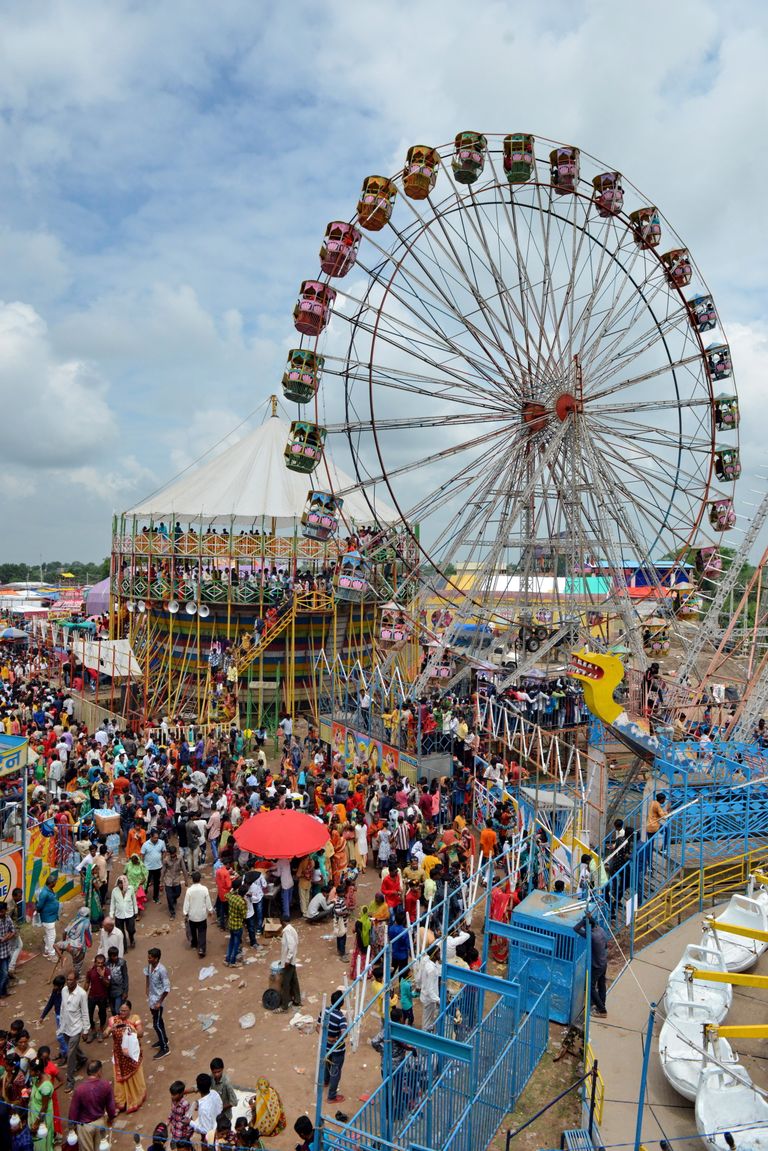
Visitors should consult the published program to establish which midway attractions and entertainment are confirmed for a particular year. A traveling carnival, specific ride count, wristband packages, and daily ride hours should not be treated as guaranteed features without an announcement.
Food is another part of the local fair experience. The 2026 program included a Cattleman’s Community Picnic on Friday, July 24, with dinner service beginning at 5 p.m. The event was planned for the indoor arena, and the fair button was designated for a free dinner. Future picnic arrangements and eligibility rules may differ.
Livestock activities, youth presentations, and scheduled community gatherings provide the fair with its agricultural focus. Rodeos, demolition derbies, tractor pulls, concerts, and pageants should be checked against the current program before being advertised as confirmed attractions.
Admission and parking
The current admission policy, parking arrangements, and any special event charges should be confirmed with fair organizers. Do not assume that every activity is free simply because a community event or picnic has no separate charge. Visitors should also check whether individual events require advance registration, tickets, or a fair button.
Facilities and Grounds

The Kingman Expo Center provides the venue for the county fair. The published program identifies an indoor arena used for a scheduled community gathering, while livestock competitions and project exhibitions form other parts of the fair operation.
Exhibition areas and livestock facilities
Livestock exhibitors should use the annual fair book for species-specific arrival times, weigh-ins, identification rules, housing requirements, and show schedules. The county’s published youth livestock information includes beef, bucket calves, swine, sheep, goats, and horses.
Exact counts for barns, exhibit buildings, stalls, and commercial booth spaces require confirmation from the grounds administrator. Exhibitors should not assume that stalls are available without reservation or that every species uses the same housing arrangements.
Accessibility, parking, and visitor amenities
Before visiting, people who need accessible parking, step-free access, accessible restrooms, or other accommodations should confirm which facilities are available for the event they plan to attend. The same applies to RV hookups, overnight camping, overflow parking, first-aid stations, ATMs, and on-site concession facilities.
During livestock events, visitors should allow room for exhibitors moving animals, trailers, and equipment. Follow posted instructions and keep clear of restricted animal-housing and preparation areas.
Vendor and Exhibitor Information
Commercial vendors
Businesses, food sellers, craft makers, and community organizations interested in participating should contact the fair organizers before planning a booth. Ask about vendor applications, space dimensions, electricity, food permits, insurance, setup hours, teardown requirements, and applicable fees.
A booth application should not be considered approved until the organizer confirms the arrangement. The availability of commercial spaces and the deadline for applications may vary by year.
Competitive exhibits
The fair’s annual premium book explains the classes and rules for eligible entries. Kingman County uses an online fair-entry process for its 4-H fair, with registration periods and department-specific requirements published in advance.
Indoor exhibitors may need to reserve a judging appointment. Photography, woodworking, food preservation, sewing, horticulture, and other project entries can have different labeling, documentation, safety, or presentation requirements.
Anyone entering livestock should also review animal identification, care and housing forms, weigh-in procedures, and auction eligibility requirements. These rules are particularly important for first-time exhibitors.
Getting to Kingman County Fairgrounds
The Kingman Expo Center is identified with the address 121 S. Main Street, Kingman, Kansas 67068 in 2026 event information. Visitors should confirm the correct entrance and event-specific parking instructions before setting out.
Driving from nearby cities
- From Wichita: Travel west toward Kingman using the appropriate regional highway route. Allow extra time during major fair events.
- From Pratt: Travel east toward Kingman on the regional road network connecting the two south-central Kansas communities.
- From Cheney: Head toward Kingman using the available connecting highways and local roads.
- From within Kingman County: Follow directions to Kingman and check event notices for the designated entrance, livestock-trailer access, and parking areas.
Public transportation and dedicated fair shuttles should not be assumed to operate during fair week. Visitors using rideshare services should arrange a convenient drop-off point without obstructing livestock trailers, emergency access, or traffic flow.
4-H and FFA at Kingman County Fairgrounds

The role of 4-H
Kingman County’s 4-H program is closely connected with fair preparation and youth agricultural education. Participants develop projects throughout the year, then bring their work to the fair for evaluation. Livestock projects require ongoing animal care, recordkeeping, and compliance with identification and housing rules.
The county Extension office helps coordinate project information, fair entries, youth development activities, and competition requirements. Its published program includes county 4-H resources and livestock committee activities.
FFA and school participation
Future Farmers of America (FFA), now commonly branded as the National FFA Organization, supports agricultural education and leadership among students. Students interested in taking part through a local school should confirm which FFA activities, if any, are included in the current Kingman County Fair program.
The exact number of participating clubs, school chapters, and youth exhibitors can change from year to year. These figures should be obtained from the current county program rather than estimated.
Junior livestock auction
Kingman County’s fair materials identify a 4-H livestock premium auction and a separate Purple Ribbon Food Auction. Eligibility requirements apply, and participating members may need to meet club attendance, community involvement, fair setup, and other program conditions.
Buyers should ask the organizers about the auction timetable, registration process, bidding procedures, payment arrangements, and whether purchases involve taking possession of an animal or supporting the exhibitor through a premium payment. These details should be confirmed before bidding.
Special Events Beyond the Annual Fair
The Kingman County fairgrounds primarily serve agricultural exhibitions and community activities. Other events may use the venue when arrangements are made, but a specific event should be treated as confirmed only when organizers announce it.
Potential uses for an appropriately equipped fairground venue include agricultural meetings, livestock education, community fundraisers, and private gatherings. Availability for horse shows, swap meets, flea markets, gun shows, motocross, ATV events, rodeos, and touring entertainment depends on the facilities, permissions, scheduling, and safety requirements.
People hoping to attend a particular event should confirm its date and location. Organizers planning an event should ask about arena availability, livestock access, electrical services, insurance, crowd management, and any restrictions on equipment or activities.
History of Kingman County Fairgrounds
The fair reflects the longstanding role of agriculture in Kingman County, where livestock production, crop farming, and rural community organizations remain important to local life. County fairs have traditionally provided a place for agricultural producers to display their work and for young people to learn practical skills through judged projects.
Kingman County’s present-day program retains that educational emphasis through its 4-H livestock projects, indoor exhibits, animal-care requirements, and youth auctions. The Cattleman’s Community Picnic also illustrates how fair week can combine agricultural activity with a community gathering.
A precise founding year for the fairgrounds, a verified chronology of facility construction, historical attendance records, and a complete list of past cancellations should be established through local historical records before publication. It would be misleading to assign dates or describe notable past events without supporting evidence.
Frequently Asked Questions
When is the Kingman County Fair in 2027?
The confirmed 2026 fair dates were July 22–25. The 2027 dates should be checked with Kingman County’s fair organizers or Extension office once the new schedule is announced.
What time does Kingman County Fairgrounds open?
Opening times can vary by day and activity. Livestock check-in, indoor exhibit judging, public events, and evening entertainment may follow different schedules. Check the current fair program before arriving.
Where is Kingman County Fairgrounds located?
The Kingman Expo Center is listed at 121 S. Main Street, Kingman, Kansas 67068. Visitors should confirm event-specific access and parking directions before traveling.
Is camping available at Kingman County Fairgrounds?
Overnight camping and RV hookups should be confirmed directly with the grounds administrator. Do not assume that camping is permitted simply because the venue hosts agricultural events.
How do I enter livestock in the Kingman County Fair?
Review the current fair book and online entry instructions, then complete all required registrations, animal identification, weigh-in arrangements, and care documentation. Contact the county Extension office if you need help with eligibility or deadlines.
Are dogs allowed at Kingman County Fairgrounds?
Pet rules may differ between public events and livestock areas. Confirm the current policy with the organizer before bringing a dog, and follow any leash, vaccination, and restricted-area requirements.
Where do visitors park at Kingman County Fairgrounds?
Use the parking areas designated for the event and follow posted instructions. Visitors towing livestock trailers should confirm whether separate trailer access or designated unloading areas are provided.
Who do I contact to rent Kingman County Fairgrounds?
Start by contacting the organization responsible for the Expo Center and ask which office handles facility rentals. Confirm availability, rental charges, insurance requirements, setup arrangements, and cleanup responsibilities.
How much does admission to the Kingman County Fair cost?
Admission policies and individual activity charges should be confirmed for the relevant year. The price of a particular attraction or event may differ from general fair admission.
What kinds of exhibits can I enter?
Kingman County’s 4-H fair program includes livestock and project categories such as photography, foods, sewing, woodworking, horticulture, crops, and visual arts. The current premium book provides the official classes and requirements.
Are food and refreshments available during fair week?
Food arrangements depend on the published program and participating vendors. The 2026 schedule included the Cattleman’s Community Picnic on Friday, July 24, with dinner service beginning at 5 p.m. Future offerings may differ.
Can local businesses participate as vendors?
Potential vendors should contact the fair organizers to ask about available spaces, application deadlines, fees, permits, insurance, electricity, and setup times. Availability is not guaranteed until the organizer confirms the booking.

One Comment