Otero County Colorado Fairgrounds Events
Otero County Fairgrounds serves agricultural exhibitors, local families, and community organizations in southeastern Colorado. The county’s farming heritage is closely tied to the Arkansas River Valley, where irrigation supports crops and agricultural businesses around Rocky Ford, La Junta, and nearby communities.
The fairgrounds are associated with the annual Otero County Fair, which gives young exhibitors and local residents a place to showcase livestock, agricultural projects, crafts, and other competitive entries. County fair activities also connect families with Colorado State University Extension and its 4-H youth development program.
For visitors searching for Otero County fair events, the most important details are the fair’s annual schedule, livestock competition requirements, venue access, and the arrangements for special events. Dates, admission prices, entertainment, and facility availability can change each year, so they should be confirmed before making travel plans.
Upcoming Events at Otero County Fairgrounds

Arkansas Valley Fair schedule
The main county fair serving Otero County, Colorado, is the Arkansas Valley Fair in Rocky Ford. The 2026 event was the 149th annual fair, scheduled for August 19–22, 2026. The 2026 dates have passed; the 2027 schedule should be confirmed with the fair association.
The fair’s traditional program includes livestock exhibitions, agricultural displays, horse racing, rodeo performances, a parade, a demolition derby, entertainment, and family activities. Its annual Watermelon Day is particularly associated with Rocky Ford’s agricultural identity.
Other activities throughout the year
The fairgrounds also support youth agricultural programs, livestock preparation, exhibit judging, and community activities. Colorado State University Extension coordinates local 4-H resources and publishes a fair schedule that includes activities before the main public fair week.
The grounds are associated with several kinds of seasonal activity:
- Summer: livestock shows, the Arkansas Valley Fair, rodeo performances, horse-related events, and agricultural exhibitions.
- Before fair week: 4-H project judging, shooting sports, horse activities, and preparation of indoor exhibits.
- During the fair: parade events, carnival attractions, competitive displays, entertainment, and community gatherings.
- Outside fair season: selected agricultural and community activities, depending on venue availability.
Do not assume that every event takes place annually or that the same ticket arrangements apply each year. Confirm individual events before traveling.
The Arkansas Valley Fair: Dates, Attractions, and Competitions
When is the county fair held?
The Arkansas Valley Fair traditionally takes place during the third week of August, with the main event schedule generally running from Wednesday through Saturday. The 2026 edition ran August 19–22. Dates for 2027 should be verified once the next program is announced.
The event uses themed days, including Silver Day, Kids Day, Parade Day, and Watermelon Day. These provide visitors with different activities across the four-day schedule.
Livestock and agricultural exhibits
Livestock competitions and agricultural education are central to the fair. The program includes youth livestock projects and exhibits associated with beef cattle, sheep, goats, swine, poultry, rabbits, and other eligible project categories. Exact classes depend on the annual livestock schedule and applicable entry rules.
Indoor exhibits also reflect the agricultural and creative work of residents. Competition categories have included:
- Farm products and locally grown crops.
- Baked goods, canned foods, and food preservation.
- Arts, crafts, photography, and creative projects.
- Sewing, quilting, knitting, crochet, and needlework.
- Agricultural mechanics and youth-built projects.
- Flower arrangements and gardening displays.
These competitions give residents an opportunity to exhibit products grown, made, or prepared in the Arkansas Valley.
Carnival rides, food, and entertainment
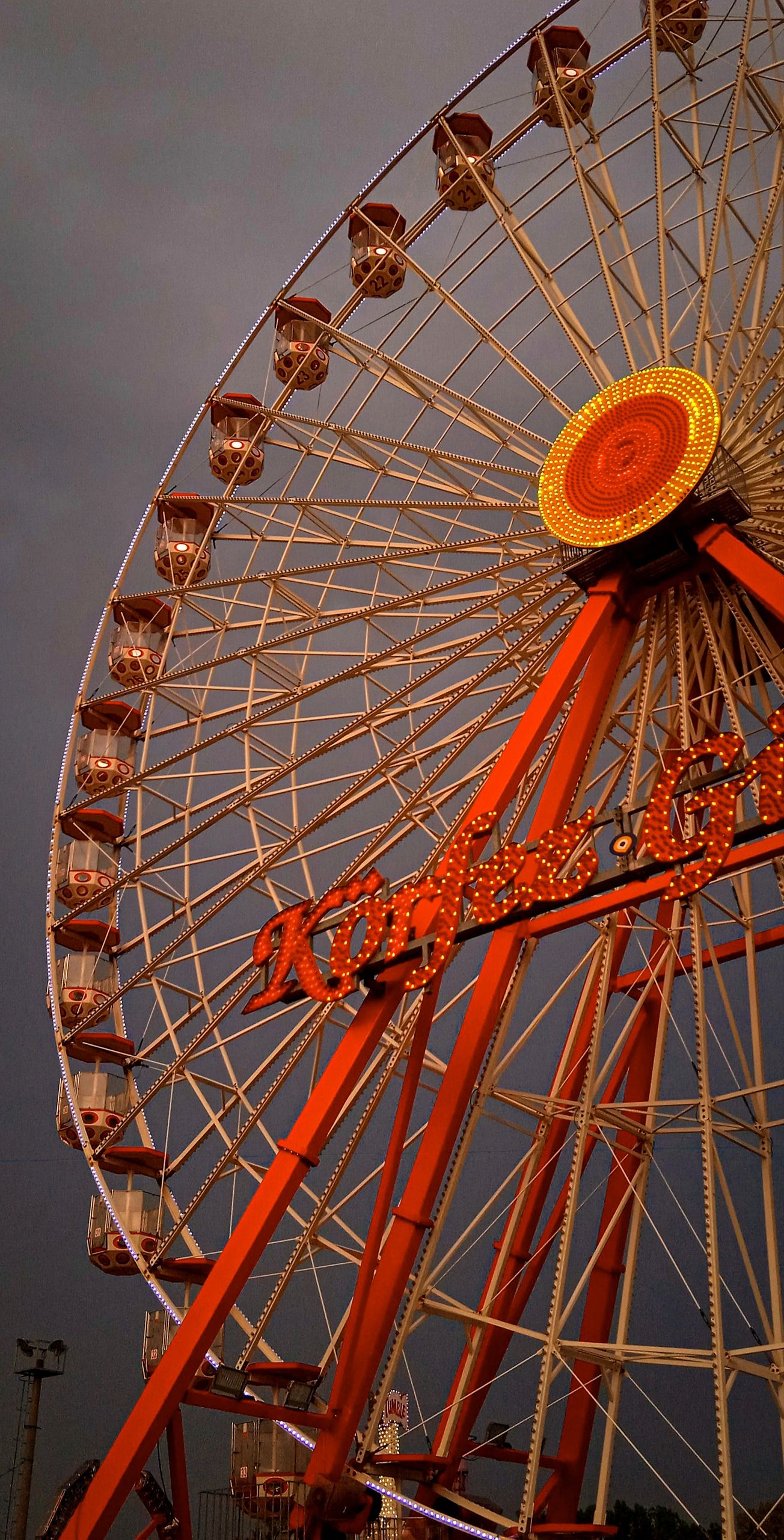
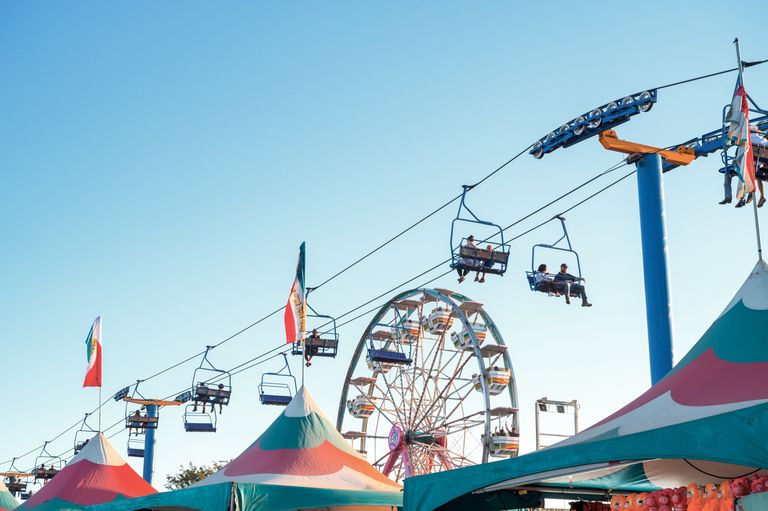
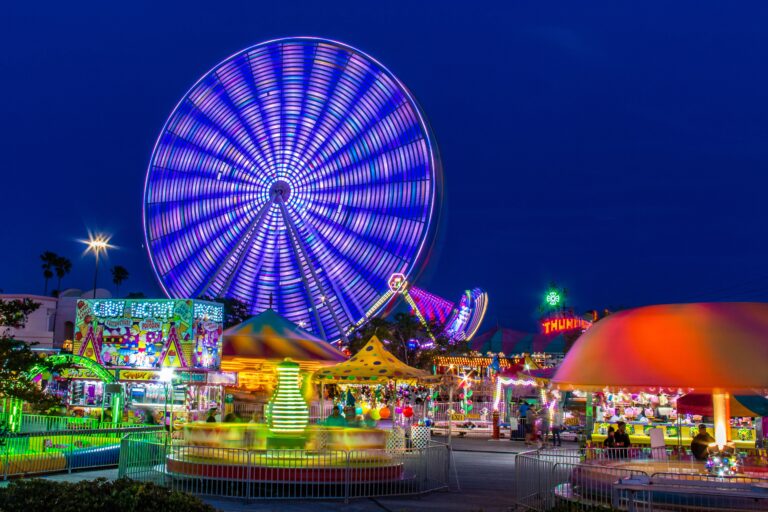
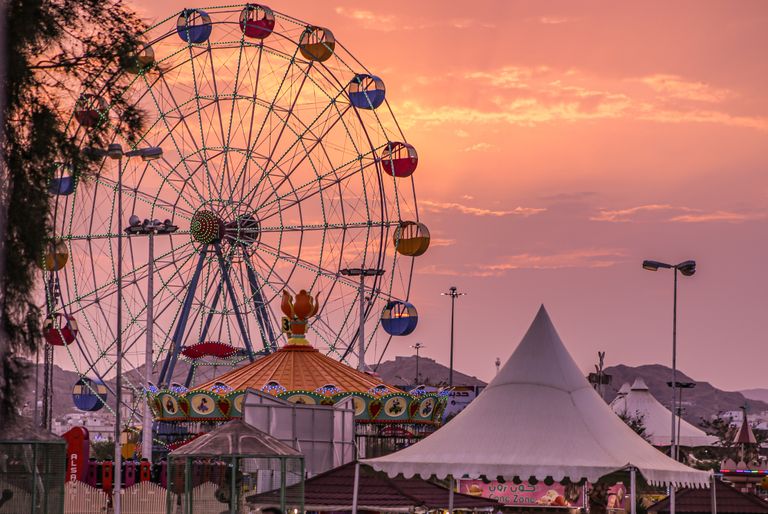
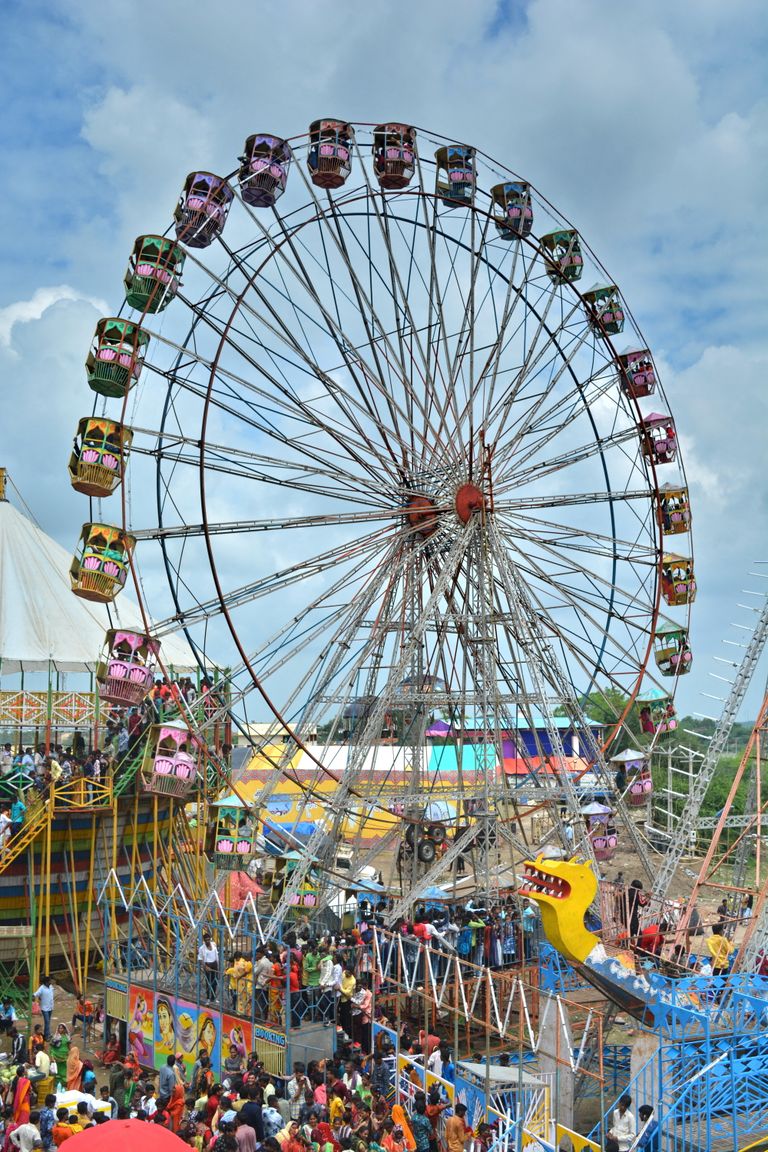
Carnival attractions have formed part of past Arkansas Valley Fair programs. Ride availability, wristband prices, operating hours, and carnival arrangements vary by year. Visitors should check the current program rather than rely on older ride packages.
Food is another part of the experience, with concessions and vendors serving fair visitors. Rocky Ford’s strongest food tradition is its locally grown watermelon. The fair’s Watermelon Day has historically included a public watermelon giveaway, linking the celebration directly to the region’s melon-growing heritage.
Entertainment has included professional rodeo competitions, horse races, ranch rodeo activities, a figure-eight jump race, and demolition derby events. The 2026 program also listed free grandstand music on Wednesday and ticketed events on subsequent days.
Admission and special days
The 2026 ticket schedule listed free front-gate admission and free exhibit access, while selected grandstand events required tickets. Published ticket prices differed by event, and the schedule included separate admission for the figure-eight jump race, rodeo performances, and demolition derby.
Those prices apply to the specified 2026 program only. Visitors attending in 2027 should check the new schedule for ticket costs, children’s admission policies, carnival charges, and any special-day offers.
Facilities and Grounds

Exhibition buildings and historic structures
The Arkansas Valley Fairgrounds includes exhibition facilities, livestock areas, a grandstand, and horse-related structures. One particularly notable feature is the historic Adobe Stables, built in 1938 through a Works Progress Administration project during the Great Depression.
The stables are significant because they preserve an example of traditional adobe construction and document federal relief work in southeastern Colorado. The buildings were listed on the National Register of Historic Places in 2007.
The fairgrounds have also undergone improvements to support modern events. The 2026 ticket information noted additional grandstand seating, portable bleachers, arena improvements, and work on the grandstand floor and seating.
Livestock areas and arenas
Livestock facilities support animal preparation, judging, and exhibition during fair season. Arena activities have included rodeo competitions, horse racing, and other scheduled performances.
Exhibitors should confirm stall availability, animal check-in arrangements, equipment requirements, and access times with the relevant fair department. Facility access outside fair week may depend on maintenance schedules and other bookings.
Visitors interested in Otero County Colorado Fairgrounds Events can also explore local celebrations through Morgan County Colorado Fairgrounds Events. Both counties provide opportunities to discover regional traditions, enjoy community activities, and plan enjoyable outings across Colorado.
Parking, camping, and accessibility
Visitors should follow event-specific parking instructions, particularly during parade day and the Saturday Watermelon Day celebration, when attendance can be heavier.
A current, complete public inventory of accessible parking spaces, accessible restrooms, and pathway conditions could not be established. Visitors with mobility requirements should confirm access arrangements before arriving.
RV arrangements and overnight camping should also be confirmed for the relevant year. Rules, availability, hookups, and fees may differ between livestock exhibitors and general visitors. Do not assume that ordinary fair admission includes camping.
Vendor and Exhibitor Information
Applying for a vendor booth
The Arkansas Valley Fair provides opportunities for indoor and outdoor vendors. Businesses selling crafts, merchandise, food, or agricultural products should obtain the current vendor application and review the applicable conditions before paying.
Applicants should confirm:
- Available indoor and outdoor booth locations.
- Booth dimensions, rental fees, and payment deadlines.
- Setup and removal times.
- Electricity, equipment, and food-service requirements.
- Insurance, permits, and applicable sales regulations.
Vendor arrangements may differ between the exposition building, outdoor spaces, and individual ticketed events.
Entering exhibits and livestock
Competitive exhibitors should consult the annual fair program and entry rules. Livestock participants need to confirm eligibility, registration, identification, check-in times, and any required health documentation.
Indoor exhibitors should check the specific rules for farm products, home arts, photography, crafts, food preservation, and flower displays. Entry forms and deadlines may differ between departments.
For assistance with 4-H and FFA participation, the local CSU Extension office is a useful starting point. For commercial booths and fairground arrangements, contact the Arkansas Valley Fair and Exposition Association.
Getting to Otero County Fairgrounds
Driving to Rocky Ford
The Arkansas Valley Fairgrounds is located at 800 North Ninth Street, Rocky Ford, Colorado 81067, according to the fair association’s location information. Rocky Ford lies along U.S. Highway 50 in southeastern Colorado.
From La Junta, travelers can follow U.S. Highway 50 west toward Rocky Ford. From Pueblo, the usual regional approach is east along U.S. Highway 50. Visitors arriving from other communities should use current navigation directions for the fairgrounds and allow extra time during major events.
The fair association’s office operates from a separate downtown address outside fair season, so visitors should distinguish the administrative office from the physical fairgrounds.
Public transportation and rideshare
A dedicated public shuttle service for fair week could not be confirmed. Visitors should arrange transportation in advance if they are traveling from outside Rocky Ford.
During large events, confirm the designated rideshare pickup and drop-off location and follow temporary traffic directions around the grounds.
4-H, FFA, and Junior Livestock Programs
Youth agricultural education
Otero County’s 4-H program includes clubs such as Tiger Trades, Sand & Sage, Dams & Sires, Kactus Kids, Cloverleaf Livestock, Fort Bent, and Cheraw Community. Club availability and enrollment arrangements can vary.
Through 4-H, young people learn animal care, recordkeeping, project management, public presentation, and responsible participation in competitions. The Arkansas Valley Fair provides a public venue for displaying many of these projects.
FFA and junior livestock opportunities
FFA students involved in local agricultural education may participate in eligible fair activities, depending on the event rules and their school’s program.
Junior livestock exhibitors should obtain the current schedule and understand the check-in, weighing, classification, and judging requirements for their animals. A youth livestock sale, when included in the program, gives eligible exhibitors an opportunity to present their projects to prospective buyers.
Buyers should confirm registration requirements, payment arrangements, and animal delivery or processing procedures before participating. Specific auction times and rules must be checked in the relevant year’s fair program.
Special Events Beyond the Annual Fair
The Arkansas Valley Fairgrounds has a wider role in Rocky Ford’s community life beyond the main fair week. Its facilities have supported agricultural programs, horse-related activities, rodeo events, and community gatherings.
The fair’s history also includes entertainment that goes beyond traditional livestock exhibitions. Recent programs have featured rodeo performances, horse racing, figure-eight jump races, demolition derbies, parades, and live music.
Rocky Ford’s agricultural calendar includes Watermelon Day and other community activities associated with the region’s melon-growing tradition. However, visitors should verify any specific flea market, gun show, motocross event, holiday festival, or private gathering rather than assume it is a recurring fairgrounds event.
Groups seeking to organize a fundraiser, exhibition, or community function should ask about building availability, rental requirements, insurance, equipment, and cleanup arrangements.
History of Otero County Fairgrounds
From Watermelon Day to Colorado’s oldest continuous fair
The story of the Arkansas Valley Fair begins in 1878, when Rocky Ford agriculturalist George W. Swink shared his watermelon crop with visitors near the local railroad depot. The gathering became known as Watermelon Day and developed into a celebration of the area’s agricultural production.
The Arkansas Valley Fair subsequently grew into a larger annual event. Historical accounts identify it as Colorado’s oldest continuous fair, reflecting its long association with farming, ranching, and community life in the Arkansas Valley.
Historic buildings and community preservation
The fairgrounds’ Adobe Stables, constructed in 1938 through the Works Progress Administration, provide a tangible connection to the Great Depression. WPA improvements helped develop the grounds and provided employment during a difficult period for agricultural communities.
The stables were listed on the National Register of Historic Places in 2007. Their preservation has become part of the wider effort to maintain the fairgrounds as a working community venue.
Today, the Arkansas Valley Fair continues to connect Rocky Ford’s agricultural heritage with livestock exhibitions, youth competitions, entertainment, and the watermelon tradition that began more than a century ago.
Frequently Asked Questions
1. When is the Otero County Fair in Colorado in 2027?
The Arkansas Valley Fair in Rocky Ford traditionally takes place during the third week of August. The 2026 event ran August 19–22. The 2027 dates should be confirmed when the next official schedule is released.
2. What time do the fairgrounds open?
Opening hours vary by day and activity. Livestock check-in, indoor exhibits, carnival rides, and evening grandstand events may operate on different schedules. Check the current daily program before visiting.
3. Where are the Otero County fairgrounds located?
The Arkansas Valley Fairgrounds is located at 800 North Ninth Street, Rocky Ford, Colorado 81067. The administrative office may use a different address outside fair week.
4. Is camping available at the fairgrounds?
Camping availability and rules should be confirmed with the fair association. Ask about RV spaces, electrical hookups, water access, application deadlines, and fees before bringing a vehicle onto the grounds.
5. How do I enter livestock in the Arkansas Valley Fair?
Consult the current livestock schedule and entry rules, then contact the relevant fair department or CSU Extension in Otero County. Confirm registration, animal identification, health requirements, check-in times, and judging eligibility.
6. Are dogs allowed at the fairgrounds?
The fair’s published policies have restricted pets during fair week, except for animals necessary as disability-related assistance. Check the current rules before bringing a dog or another animal.
7. Where should I park during the fair?
Follow temporary signs and instructions from event staff. Arrive early for parade day and Watermelon Day, when visitor traffic may be heavier. Confirm accessible parking arrangements if needed.
8. Who do I contact to rent the fairgrounds?
Contact the Arkansas Valley Fair and Exposition Association to ask about facility availability, rental requirements, insurance, equipment, and event restrictions.
9. How much does admission cost?
The 2026 program listed free front-gate admission and free exhibit access, with separate tickets for selected grandstand events. Admission and ticket prices for 2027 have not been confirmed.
10. What is Watermelon Day?
Watermelon Day is a longstanding Rocky Ford tradition connected to the area’s melon-growing history. It is a featured day of the Arkansas Valley Fair, and past celebrations have included a public giveaway of locally supplied watermelons.
11. Can businesses rent vendor booths?
Yes, vendor opportunities are offered through the fair’s indoor and outdoor vendor arrangements. Applicants should obtain the current application and confirm booth fees, setup requirements, permits, and insurance conditions.
12. What events are held besides livestock shows?
The fair program has included rodeo performances, horse racing, parades, figure-eight jump races, demolition derbies, live music, agricultural displays, and youth competitions. Specific events vary by year.


One Comment