Denver County Colorado Fairgrounds Events
Denver, Colorado, has a distinctive place in the American fair and livestock-show tradition. Rather than having a conventional county fairground operated by a county fair board, the city is home to the National Western Stock Show complex and the developing National Western Center campus. These venues bring together livestock competitions, rodeo, horse shows, agricultural education, trade exhibitions, concerts, and other public events.
Denver is both a city and a county, officially the City and County of Denver. For visitors searching for Denver fairgrounds, the National Western Stock Show, or upcoming Denver fair events, the most useful starting point is the National Western complex in north Denver. It has a documented history dating to the early twentieth century and continues to connect Colorado’s urban population with the state’s ranching and agricultural industries.
Overview of Denver Fairgrounds
Location and venue information

The principal livestock-show and exhibition destination is the National Western Complex, located at 4655 Humboldt Street, Denver, Colorado 80216. The surrounding National Western Center campus is part of the north Denver area near the South Platte River and the major transportation corridors serving the city.
Interstate 70 and Interstate 25 provide access to the district, while Brighton Boulevard and nearby local streets help visitors reach the venues. The complex is also served by the Regional Transportation District’s N Line, which offers a public-transit option for visitors traveling through the Denver metropolitan area.
The National Western Center is a broader campus developed through cooperation among the City and County of Denver, the Western Stock Show Association, Colorado State University, the Denver Museum of Nature and Science, and History Colorado. It is intended to support agricultural research, education, commerce, entertainment, and public programming throughout the year.
Who operates the grounds?
The Western Stock Show Association is the organization behind the National Western Stock Show. The National Western Center has its own campus development and event-programming arrangements, while individual venues manage their respective schedules, ticketing, and bookings.
This distinction matters for visitors. A ticket to a rodeo or exhibition at the Denver Coliseum, for example, may follow different arrangements from a ticket to another event on the National Western campus.
Agricultural and cultural significance
Denver’s fairground tradition reflects its historical position as a regional livestock trading center. Ranchers, breeders, agricultural businesses, students, and livestock buyers have gathered here for generations. Today, the campus provides an opportunity to learn about animal husbandry, western heritage, agricultural technology, and the businesses supporting food production across Colorado and the wider American West.
Upcoming Events at Denver Fairgrounds

Events throughout the year
Denver’s National Western venues accommodate more than an annual fair. Depending on the venue and the event organizer, the calendar may include:
- Livestock exhibitions and breed competitions.
- Professional rodeos and equestrian events.
- Horse shows and riding competitions.
- Agricultural education programs and youth activities.
- Trade shows, commercial exhibitions, and industry gatherings.
- Concerts, family entertainment, and indoor sporting events.
- Community gatherings, conferences, and private functions.
The Denver Coliseum is a major indoor venue within this event district. Its programming has included rodeos, concerts, circuses, ice shows, truck and automobile exhibitions, and sporting competitions. The wider campus also accommodates events connected with agriculture, livestock, education, and western culture.
Seasonal event patterns
Winter: January is the key season for the National Western Stock Show, which traditionally brings livestock exhibitions, horse shows, rodeos, trade activity, and western-themed attractions to Denver.
Spring and summer: The calendar can include indoor exhibitions, trade events, educational programming, and other independently organized activities. Exact offerings depend on the current booking schedule.
Autumn: Visitors may find exhibitions, commercial events, and community gatherings, depending on venue availability.
These are broad seasonal patterns, not a confirmed list of upcoming dates. Visitors should check the relevant event organizer’s latest announcement before making travel arrangements.
How to check upcoming events
For the National Western Stock Show, the Western Stock Show Association’s event information is the appropriate place to check the annual program, ticket availability, livestock schedules, and rodeo performances. The National Western Center and Denver Coliseum maintain separate event information for their respective programming.
The availability of an event does not automatically mean that every building or outdoor area on the campus is open to the public.
Facility rentals and private events
The complex and associated campus venues support commercial and private bookings, subject to each venue’s policies. Potential uses include exhibitions, corporate meetings, conferences, performances, and organized gatherings. Organizers should contact the relevant venue’s event-planning office to confirm capacity, rental arrangements, equipment, insurance requirements, and available dates.
The County Fair Itself: Dates, Competitions, and Admission
Is there a Denver County Fair?
Denver does not have a conventional county fair with a verified annual schedule comparable to Colorado’s county agricultural fairs. The main established event for people searching for Denver fair dates is the National Western Stock Show, an agricultural exhibition and western heritage event rather than a traditional Denver County Fair.
For readers planning around the next major event, the 2027 National Western Stock Show is scheduled for January 9–24, 2027. This 16-day event is the best-established annual fair-related attraction in Denver.
Livestock competitions and agricultural exhibits

The livestock program includes cattle breed shows, market-animal competitions, showmanship, sheep, goats, swine, rabbits, alpacas, llamas, and other specialty categories. Horse shows and stock-dog competitions add to the program. Youth exhibitors travel to Denver to compete, learn from judges, and demonstrate their animal-care and handling skills.
Visitors interested in traditional county-fair activities should distinguish these livestock competitions from home-grown crop displays, canning, baking, quilting, photography, and flower exhibits. Such categories are not automatically part of the National Western Stock Show’s program; the relevant year’s official schedule determines which exhibits are offered.
Carnival rides, food, and entertainment
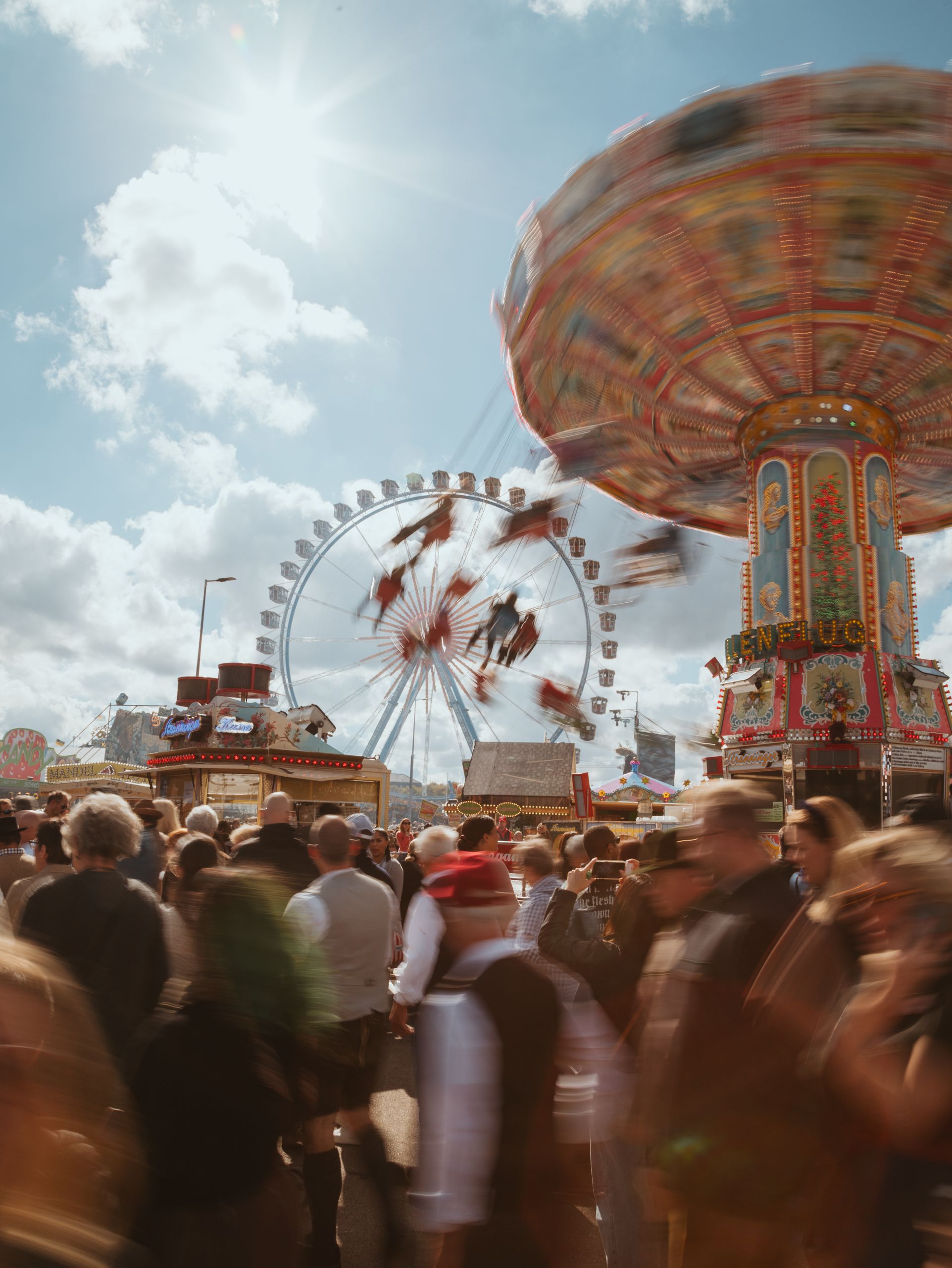
The Stock Show features western-themed shopping, food vendors, family activities, demonstrations, horse events, and rodeos. Food options vary by vendor and year, with the range of fair-style concessions depending on the event area.
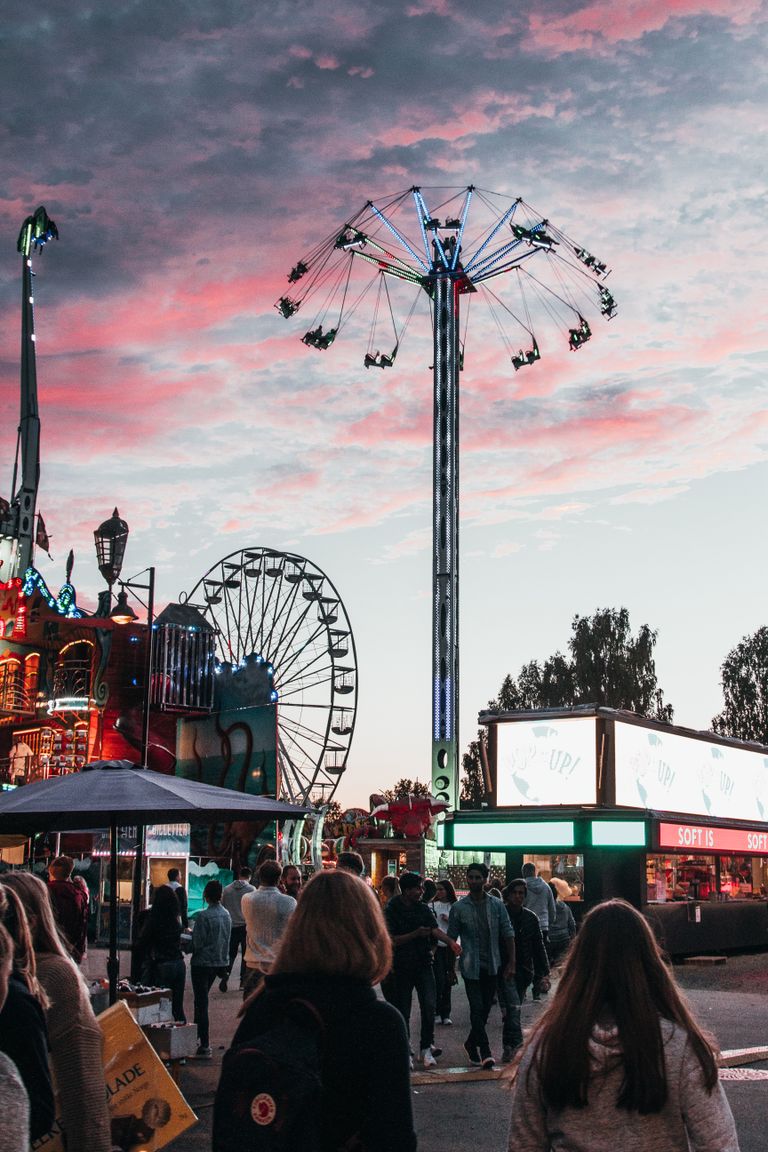
The Stock Show should not be assumed to have the same traveling-carnival midway, ride count, or wristband packages found at some county fairs. Visitors seeking amusement rides should verify the specific year’s activities before visiting.
Admission, parking, and children
Admission varies by event. For the 2027 Stock Show, published grounds-admission pricing starts at $5 for adults aged 12 and older and $2 for children aged 3–11, with prices varying by day and applicable fees. Children aged two and under are listed as free for grounds admission. Separate ticketed performances can have different prices.
Parking charges, shuttle arrangements, and access policies depend on the event and the designated parking area. Visitors should check the current arrangements before traveling rather than relying on an earlier year’s prices.
Visitors exploring Denver County Colorado Fairgrounds Events can also discover regional activities through Delta County Colorado Fairgrounds Events. Exploring both counties provides opportunities to learn about local heritage, discover community gatherings, and enjoy seasonal celebrations throughout Colorado.
Facilities and Grounds

Exhibition halls and arenas
The Denver fairground district includes several indoor venues with different functions. The Denver Coliseum is a major arena with approximately 10,000 seats and a long record of hosting rodeos, concerts, exhibitions, and sporting events.
The wider National Western campus includes livestock facilities, exhibition space, stockyards, and buildings used for education, trade, and public events. The Sue Anschutz-Rodgers Livestock Center and other newer campus facilities support the livestock show’s evolving requirements.
Livestock facilities and exhibitor access
Livestock exhibitors use designated barns, pens, holding areas, and animal-handling spaces. Stalling, feed arrangements, vehicle movements, and arrival windows are governed by the rules for each show. Exhibitors should not assume they can bring animals directly to a public entrance.
For the 2027 Stock Show, livestock participants should review the applicable arrival and release schedules and determine whether they must use off-site staging. These arrangements are particularly important for large trailers and cattle exhibitors.
Accessibility, amenities, and parking
Accessibility features and available services can vary between buildings and event layouts. The Stock Show provides visitor information about wheelchair availability, entrances, food, restrooms, and rideshare drop-off arrangements. Wheelchairs are available free of charge on a first-come, first-served basis through the designated information point, subject to the venue’s borrowing requirements.
Parking may involve designated lots, shuttle services, or event-specific arrangements. Visitors with mobility needs should review accessible parking and entrance information before departure. Camping and RV accommodation should be arranged through an approved facility; do not assume that general admission includes an on-site campsite.
Vendor and Exhibitor Information
Commercial vendor opportunities
The National Western Stock Show includes a large western trade-show component with merchandise, agricultural products, equipment, clothing, gifts, and specialty goods. Businesses interested in exhibiting should contact the event’s trade-show team to ask about booth applications, available space, fees, insurance, deadlines, and product restrictions.
Vendor access is not the same as general admission. A public ticket does not automatically grant permission to sell goods or operate a commercial booth.
Livestock and competitive entries
Livestock participants should review the appropriate premium book, entry forms, division rules, health requirements, and animal-arrival instructions. Different categories have different eligibility requirements and closing dates.
The 2027 livestock program publishes separate entry information for junior market animals, cattle, sheep, and specialty shows. Some entry periods close well before the event itself, so exhibitors should not wait until January to review requirements.
Contacting the appropriate office
For livestock questions, the National Western Stock Show’s livestock office can be reached at 303-299-5559. The trade-show team handles vendor inquiries at 303-299-5524. General administration questions can be directed to 303-297-1166.
These contacts relate to the National Western organization, not to a separate Denver County Fair board.
Getting to Denver Fairgrounds
Driving directions
The National Western Complex is in north Denver near the junction of Interstate 70 and Interstate 25. Visitors arriving from downtown Denver can travel north toward the National Western district using the major arterial roads and follow event-day signs to the appropriate venue entrance.
From Denver International Airport, Interstate 70 provides a principal route toward north Denver. The best final approach depends on traffic, construction, and the designated event parking lot.
Public transportation and rideshare
The RTD N Line serves the National Western area, providing an alternative to driving. Service frequency, walking routes from the station, and any special event transportation should be checked for the date of travel.
Rideshare services can be useful during major events, but visitors should use designated drop-off points and follow temporary traffic directions. Large events may introduce road restrictions or redirect vehicles to reduce congestion around Humboldt Street and National Western Drive.
Parking and arrival planning
Allow additional time for major rodeos, popular horse shows, and weekend visits during the January Stock Show. Check the specific venue’s entry instructions because the Coliseum, exhibition halls, and livestock areas may use different access points. Exhibitor parking and livestock-trailer staging are separate from ordinary visitor parking.
4-H and FFA at Denver Fairgrounds
Youth agricultural education
Youth education is an important part of the National Western Stock Show’s mission. The livestock program welcomes eligible junior exhibitors, including young people participating through 4-H, FFA, and breed associations. Participants demonstrate animal husbandry, recordkeeping, showmanship, and responsible livestock care.
Unlike a county fair limited to one county’s youth programs, the National Western Stock Show attracts exhibitors from across Colorado and other states. There is therefore no single Denver County 4-H club count or local FFA participation total that accurately describes the entire show.
Junior livestock auctions
The National Western’s Auction of Junior Livestock Champions recognizes selected young exhibitors and their animals. Buyers and supporting organizations participate in the auction, which highlights youth achievement and helps sustain agricultural education.
Auction rules, eligible animals, buyer registration, and payment arrangements depend on the particular program. Families should review the junior livestock rules and auction information before entering an animal or planning to bid. Proceeds and recognition arrangements should not be assumed to be identical across all livestock categories.
Special Events Beyond the Annual Stock Show
Rodeos, horse shows, and arena entertainment

The National Western Stock Show is the district’s best-known recurring agricultural event, but Denver Coliseum and the wider campus also host other types of programming.
The Coliseum has a history of rodeos, professional entertainment, circuses, ice shows, truck and automobile exhibitions, and indoor sporting events. Horse shows and equestrian competitions form another important part of Denver’s western-event calendar.
Trade shows and community gatherings
The National Western Center’s indoor exhibition spaces can accommodate trade fairs, conferences, educational events, and organized gatherings. Event organizers may also book suitable spaces for private functions, depending on availability and venue requirements.
Visitors should not assume that every event commonly associated with rural fairgrounds—such as demolition derbies, tractor pulls, gun shows, flea markets, or motocross—is regularly held at the National Western campus. Each event needs to be confirmed on the relevant venue’s calendar.
History of Denver Fairgrounds
From stockyards to a major agricultural exhibition
Denver’s livestock-show tradition predates the modern National Western campus. Historical records describe an 1874 bloodstock fair in Denver, followed by other livestock exhibitions during the late nineteenth century.
The Denver Union Stock Yard Company was established in 1881, taking advantage of the city’s railroad connections and role in livestock commerce. As the stockyards expanded, Denver became an important meeting point for ranchers, breeders, buyers, and agricultural businesses.
The first official Western Livestock Show took place in 1906, initially using a large circus tent near the stockyards. The event grew quickly, and a permanent National Amphitheater and Livestock Pavilion followed in 1909. The larger Denver Coliseum opened in 1951 and hosted its first National Western Stock Show in 1952.
Growth and modernization
Over the decades, the site developed from an active livestock-trading district into a broader venue for agricultural exhibitions, rodeos, education, and entertainment. New exhibition buildings and event facilities were added as the Stock Show expanded beyond its original livestock focus.
The National Western Center initiative represents a further stage in that evolution, combining the site’s agricultural history with plans for education, research, commercial activity, and year-round events.
The Stock Show’s history does not establish a separate Denver County Fair with its own continuous annual record. Nor should cancellation histories, attendance records, or claims about individual events be attributed to a Denver County Fair without separate supporting evidence.
Frequently Asked Questions
When is the Denver County Fair in 2026 or 2027?
A separate annual Denver County Fair date has not been established here. The National Western Stock Show, Denver’s principal recurring agricultural exhibition, is scheduled for January 9–24, 2027.
What time do Denver fairgrounds open?
There is no single opening time for all National Western venues. During the Stock Show, public grounds and exhibition hours depend on the date, entrance, and event schedule. Check the relevant day’s program before leaving.
Is there camping at Denver fairgrounds?
Do not assume that public camping or RV hookups are available at the National Western Complex. Visitors bringing recreational vehicles should arrange accommodation at a suitable campground and confirm its facilities separately.
How do I enter livestock in the Denver fair?
For the National Western Stock Show, consult the livestock premium book and entry instructions. Eligibility, required paperwork, animal categories, fees, health requirements, and deadlines differ by competition.
Are dogs allowed at Denver fairgrounds?
Pet rules depend on the venue and event. Do not assume ordinary pets can enter livestock buildings or public exhibition areas. Check the event’s animal policy before arriving with a dog. Service-animal arrangements should be confirmed with the venue.
Where do I park at Denver fairgrounds?
Parking is assigned according to the venue and event. Follow the designated parking instructions for the National Western Complex or Denver Coliseum, and allow extra time during popular Stock Show performances.
Who do I contact to rent Denver fairgrounds?
For an event at the National Western Center, contact its event-sales team at 720-707-0670. For bookings at the National Western Complex, contact the relevant venue’s event-planning office at 303-299-5554.
How much does it cost to attend the Denver County Fair?
There is no verified admission price for a separate Denver County Fair in this article. For the 2027 National Western Stock Show, published grounds-admission prices begin at $5 for adults and $2 for children aged 3–11, with fees and day-dependent pricing. Ticketed performances cost separately or follow their own admission arrangements.
What is the biggest annual fair-related event in Denver?
The National Western Stock Show is Denver’s best-known annual agricultural exhibition. It combines livestock competitions, rodeos, horse shows, youth activities, western shopping, and agricultural education.
Can vendors sell products at Denver fairgrounds?
Yes, commercial exhibition opportunities are available through the National Western Stock Show’s trade-show program and other suitable campus events. Vendors must apply through the relevant organizer and meet its requirements.
Does Denver fairgrounds have 4-H and FFA competitions?
Yes. Eligible 4-H and FFA participants take part in relevant junior livestock and agricultural competitions at the National Western Stock Show. Individual entry rules and deadlines apply.
Are carnival rides available at Denver fairgrounds?
The National Western Stock Show offers family activities and western entertainment, but a conventional traveling-carnival midway should not be assumed. Review the event program for the attractions offered in the relevant year.
One Comment