Matanuska-Susitna Borough Alaska Fairgrounds Events
If you search for Matanuska-Susitna Borough fairgrounds, you are really looking for the Alaska State Fairgrounds in Palmer. The borough, known locally as the Mat-Su, doesn’t run a county fairgrounds of its own. The valley’s fair, its barns, its 4-H auction and most of its large indoor event space belong to one place on the Glenn Highway. The Alaska State Fair finished its 2026 run on Labor Day, September 7, so the next big date is 2027. Below is what the grounds are, what happens there, and how to plan around it.
Overview of Matanuska-Susitna Borough Fairgrounds
Where the grounds are
The fairgrounds sit at 2075 Glenn Highway, Palmer, Alaska 99645, at about mile 40 of the Glenn Highway. Palmer is the borough seat and is roughly an hour’s drive north of Anchorage. The grounds lie just outside the center of town, against the Chugach Mountains on one side and the farm fields of the Matanuska Valley on the other.
Size and layout
The property is about 300 acres, and the layout reflects how it was assembled. The fair bought 221 acres from the Palmer Raceways Association in 1966. Later additions came in the early 2000s: 40 acres with a gravel pit, a farmhouse and five more acres, then 40 acres of the neighboring Hamilton farm in a land trade. In 2014 the fair signed an agreement with the Alaska Farmland Trust to permanently protect 36.5 acres of farmland on the property. That is why part of the grounds still looks like a working farm.
Who runs it
The grounds are not county-owned. Alaska State Fair, Inc. is a private nonprofit corporation, incorporated on February 25, 1959. It replaced the Matanuska Valley Agricultural and Industrial Fair Association, which local farmers and Grange members formed in the 1930s. A board and a year-round staff manage the property. The fair’s own mission statement describes producing a traditional state fair and hosting community, cultural and business events throughout the year.
Why it matters here
The Mat-Su Valley was settled partly through a federal experiment. In 1935, 203 families from Minnesota, Michigan and Wisconsin were chosen to farm here as the Matanuska Colony. The fair began a year later as a harvest celebration for those colonists and the homesteaders already in the valley. The grounds still hold the Rebarchek Historic Homesite, a colonist farm listed on the National Register of Historic Places in 1978, and Colony Village, which preserves early valley buildings. For many Mat-Su families the fairgrounds are also where kids raise and show animals, where the pumpkin and cabbage growers compete, and where people meet in late summer.
Upcoming Events at Matanuska-Susitna Borough Fairgrounds
What the grounds host
The fair says its facilities are rented all year for horse shows, car shows, dog shows, rodeos, gun shows, bazaars, trade shows, concerts, equine clinics, barn dances, health fairs, job fairs, banquets, proms, reunions, weddings, memorials and fundraisers. They also offer winter RV and boat storage. Event listing sites show a holiday market organized by the fair, with a $10 admission listed and no confirmed dates. A few craft and holiday shows are also listed in Palmer for late 2026, though most of those are at the Palmer Train Depot or the borough gym, not on the fairgrounds. Treat all of these listings as unconfirmed until the organizers publish dates.
Seasonal pattern
- Winter: Indoor events in Raven Hall and the smaller halls, such as bazaars, trade shows, weddings, banquets and holiday gatherings.
- Spring: Horse and equine events, dog competitions, and 4-H and FFA activities. The Alaska FFA state convention met in Palmer in April 2024, though not on the fairgrounds.
- Summer: Private rentals, then the lead-up to fair season as vendors, exhibitors and ride crews arrive.
- Late August to early September: The Alaska State Fair, the main event of the year.
How to find the current schedule
The fair’s website, alaskastatefair.org, is the authoritative source for dates, concert lineups and the daily schedule. The fair office takes calls at 907-745-4827. For fair week, the fair also publishes a mobile guide with the daily schedule, map, food guide and ride guide.
Renting the grounds
The buildings, by the fair’s own descriptions:
- Raven Hall: about 20,000 square feet, up to 1,200 guests
- Sluicebox: renovated, up to 500 guests
- Event Hall and Don Sheldon Events Center: up to 225 each
- Colony Church and Hoskins building: up to 150 each
Rates and availability come from the fair office, not from a public rate sheet.
Visitors exploring Matanuska-Susitna Borough Alaska Fairgrounds Events can also discover regional celebrations through Lake and Peninsula Borough Alaska Fairgrounds Events. Exploring both areas allows visitors to find community gatherings, appreciate local traditions, and plan enjoyable outings across Alaska.
The Alaska State Fair Itself
Dates and hours
The fair has opened on a Friday in mid-to-late August and run through Labor Day Monday. The 2025 fair ran August 15 to September 1. The 2026 fair ran August 21 to September 7, which was eighteen calendar days. The fair is closed Tuesdays and Wednesdays, and open Thursday through Monday from 11 a.m. to 10 p.m.
I couldn’t find 2027 dates published yet. If the pattern holds, the fair would close Monday, September 6, 2027, which would put opening day around Friday, August 20. That is a projection, not an announcement. The fair typically posts the next year’s dates on its website within months of closing, so check there before booking.
2026 was the 90th fair
The first Alaska State Fair was held September 4–7, 1936, so 2026 marked its 90th year. The fair’s CEO, Blake Allen, told local TV that the 2026 lineup featured 15 different concert acts. Concerts take place at the Borealis Theatre main stage, and attending a concert generally requires fair admission plus a concert ticket.
Competitions
Open-class exhibits cover the departments you’d expect from a state fair: field crops and giant vegetables, flowers, baking and canning, quilting and sewing, honey and beekeeping, photography, art and crafts. The giant produce is the big attraction. Atlantic giant pumpkins are weighed at the Alaska Midnight Sun Great Pumpkin Weigh-Off, held for the 20th time in 2026, and giant cabbages draw crowds all fair long. Livestock classes include rabbits, poultry, and large and small animals.
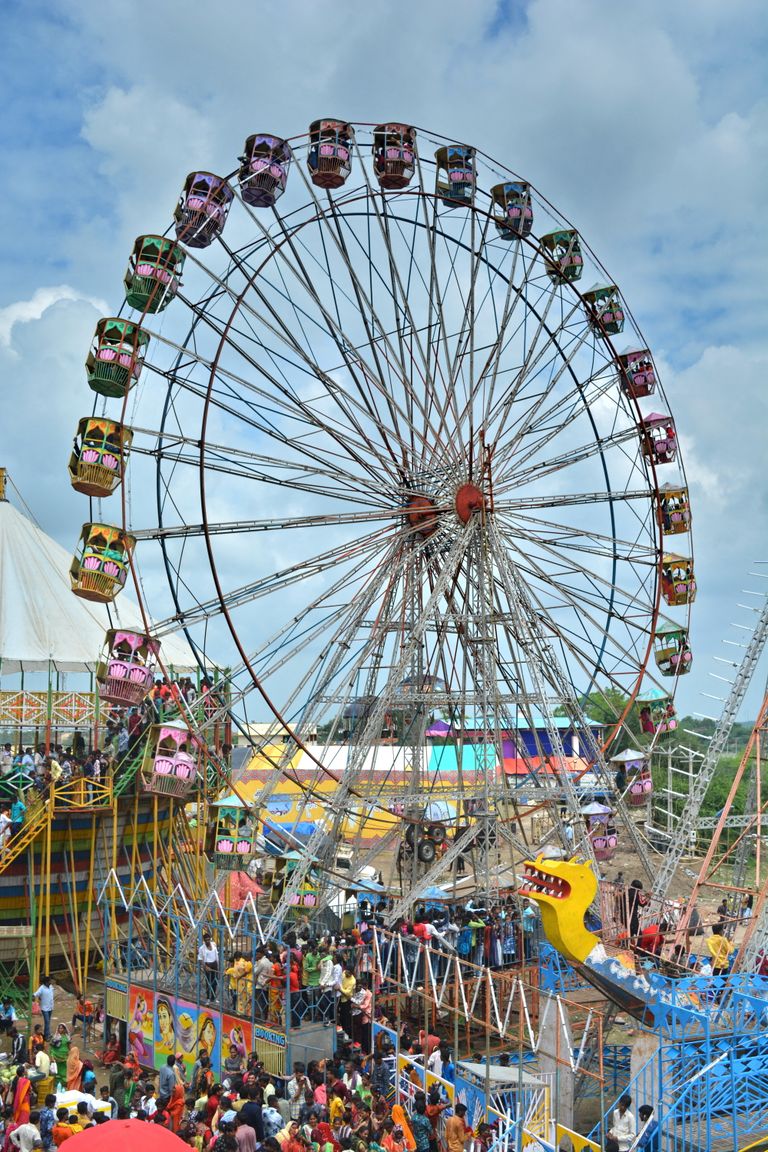
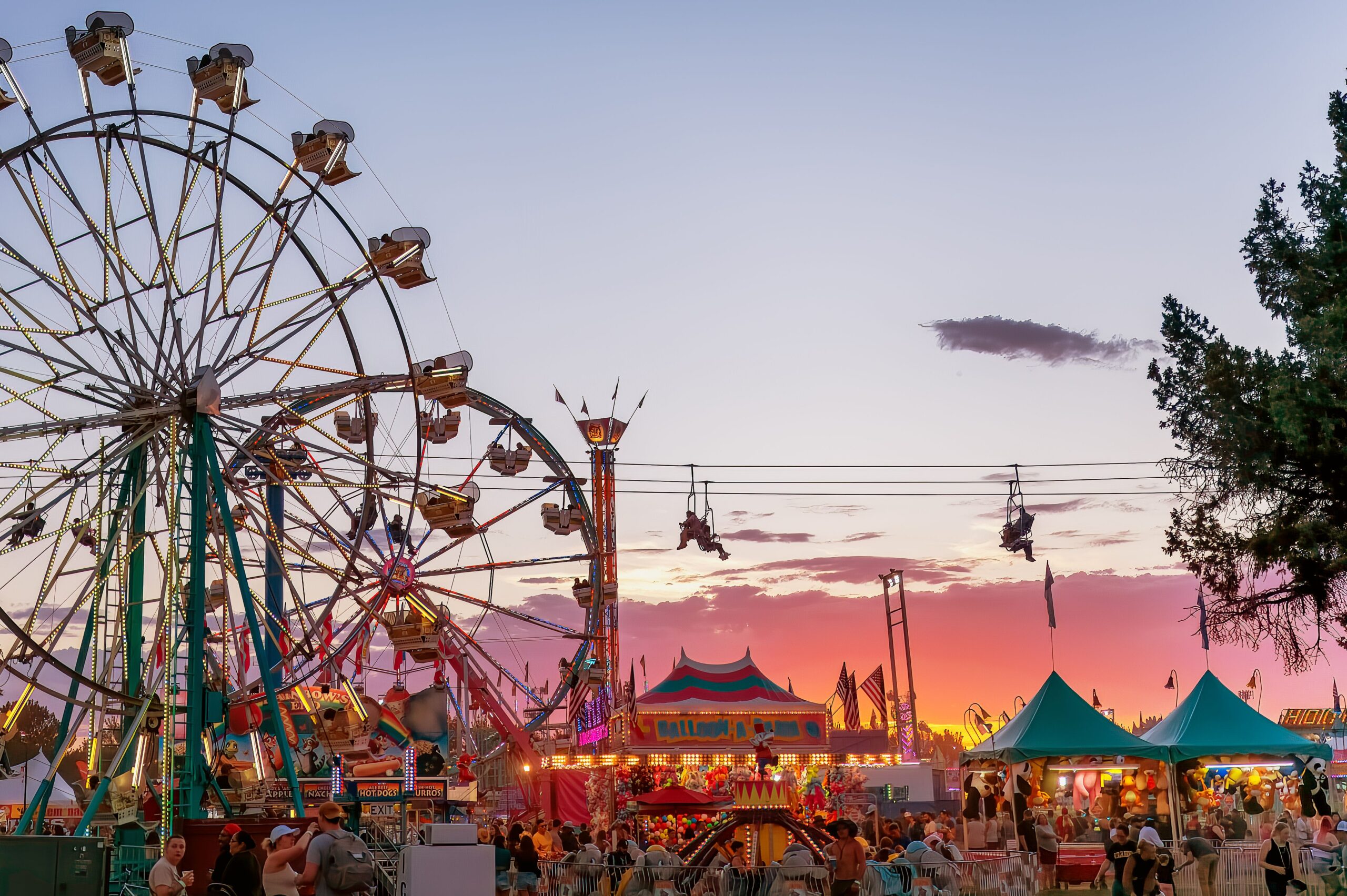
Midway and rides
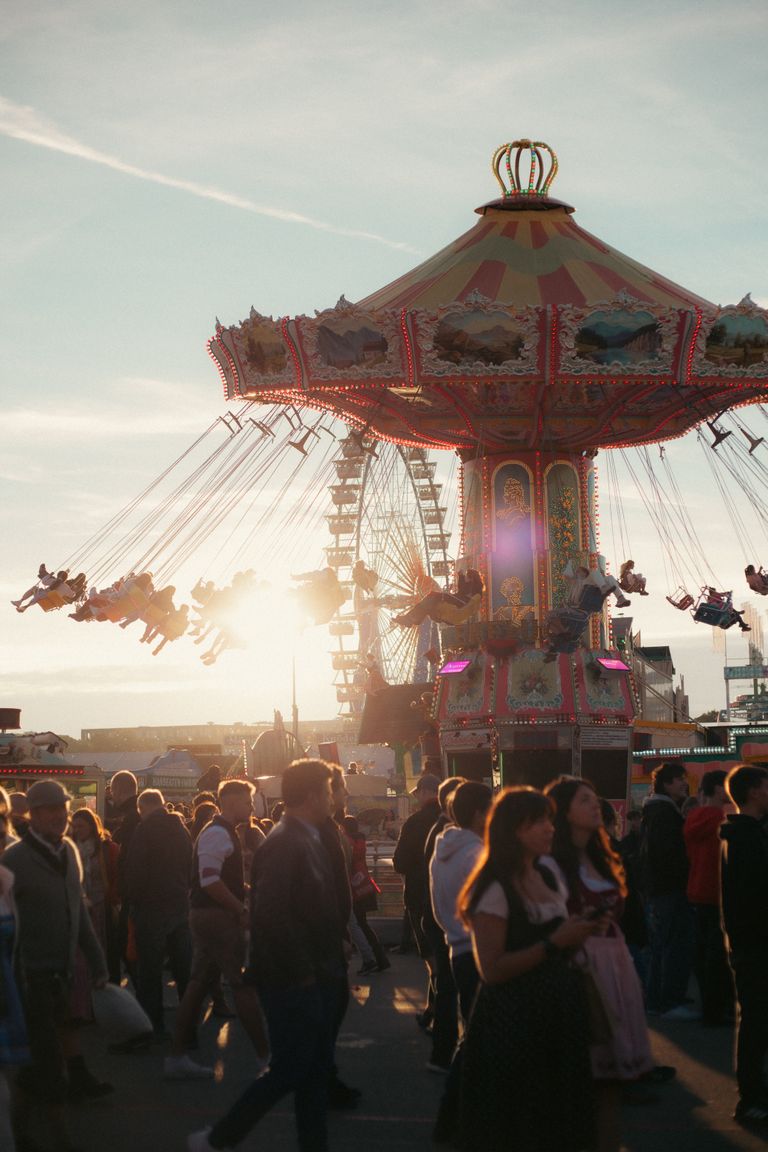
A traveling carnival operates the rides. In recent years that has been Golden Wheel Amusements, and carnival ride tickets are sold by the carnival, not the fair. Wristband prices change annually, so look for them in the fair’s daily guide once it is published.
Food
Food vendors operate throughout the grounds, and the fair has run meal chits at select vendors in past years. I won’t name specific stands since menus change. If you need to eat early, the fair is open from 11 a.m., and weekday mornings are quieter than weekends.
Entertainment beyond the concerts
Past fairs have included:
- Rodeo Alaska events at the arena, including a junior rodeo and a pink-themed benefit rodeo
- Monster truck shows
- A lumberjack show
- Alaska Native Youth Olympics demonstrations
- A fiddle contest
- Alaska’s Got Talent, with finals during the fair
- The Great Alaska Beard Contest
- A mullet contest, a diaper derby and a toddler trot
- A parade in downtown Palmer
Tickets, parking and passes
Admission has run in the high teens to around $20 for adults. In 2025 the fair listed $16 adult and $11 youth or senior in advance, and $19 adult and $14 youth or senior at the gate. Adults are 13–64, youth are 6–12, and seniors are 65 and up. The fair has offered season passes, multi-day packs and military and first-responder discounts in past years. The fair’s website lists current details. General parking fees were waived for the fourth straight year in 2026, though reserved and premium parking permits were sold separately and are limited.
Facilities and Grounds
Buildings and barns
The fairgrounds include Farm Exhibits, also called the Craig Taylor Farm Exhibits barn, where 4-H livestock showmanship and the Junior Market Livestock Auction are held. Raven Hall and Pioneer Plaza opened in 1997. Colony Village was established in 1975, and the Transportation Museum of Alaska sat on three acres at the southwest corner for years after 1976.
Gates and parking
There are four entrance gates: Purple, Red and Yellow, which have parking lots, and Green, which serves as a drop-off and pick-up zone and as the depot for the fair train. The Orange lot is used for premier parking and vendor parking.
Camping and RV
RV and tent permits are sold for the Red RV Lot during the fair. The camping area has no electricity, water or dump station. Open fires and barbecues are not allowed, and quiet hours run from 11 p.m. to 7 a.m. Only service dogs are allowed inside the fairgrounds proper, though pets in RVs are allowed on leash. One RVer who stayed in 2023 paid $20 a night and described the lot as an agricultural field with some mud. For a hookup site, you’ll need to look at RV parks around Palmer and Wasilla.
Accessibility
Accessible parking is available at the Red, Yellow and Purple lots, the closest to the entrance gates. You can bring your own wheelchair or stroller. In past years, wheelchair and scooter rentals were available through Alaska Mobility in Anchorage (907-244-3550); confirm that before you travel. Raven Hall offers free Wi-Fi, and the fair has kept lost items for a month after closing.
Vendor and Exhibitor Information
Becoming a vendor
Commercial vendor applications go through the fair’s vendor department. The 2026 process was:
- Returning vendors had a deadline of September 30, 2025.
- New vendors had no deadline and no application fee, but applications go on a waiting list, and earlier applications improve your odds.
- Food vendors are judged on food service experience, simplicity of preparation, cost to the fairgoer, booth plans and especially the menu.
- Daily vendor spaces are handled with a separate application.
- A vendor handbook covers rules, setup and vendor parking.
Fair booths are hard to get. A 2013 report found rates starting at $1,200 for an outdoor non-food space, so expect higher today. Ask the vendor department for current figures.
Entering exhibits
- Every exhibitor needs a lifetime exhibit entrant number.
- 4-H entry numbers do not work for open-class competition.
- Perishable and livestock exhibits have separate first and second entry deadlines.
- Entries may be mailed to the Exhibit Department at the fair’s street address.
- Exhibits from previous fairs can’t be re-entered, except animals and plants.
- Unclaimed exhibits become fair property after 30 days.
- Premium checks are mailed after the fair.
The full premium book and entry forms are on the fair’s website each spring.
Fair office
The fair office phone number is 907-745-4827. The vendor department has used 907-746-7159 in past application materials; confirm it before calling.
Getting to Matanuska-Susitna Borough Fairgrounds
Driving
- From Anchorage: Take the Glenn Highway north about 40 miles. The grounds are on the highway at Palmer.
- From Wasilla: Take the Palmer-Wasilla Highway east to Palmer, then the Glenn Highway to the fairgrounds.
- From Fairbanks or Denali: Take the Parks Highway south to the Wasilla area, then follow the route above.
- From Glennallen or Valdez: Take the Glenn Highway west through Sutton to Palmer.
Train and shuttles
The Alaska Railroad’s fair train ran from Anchorage in 2026, for the third straight year, and the Green Gate is its depot. It ran on selected days in recent years, so check the railroad’s schedule. Access to the Green Gate drop-off is from Inner Springer Road at the north end, and no parking fee applies to enter that area. Use it for rideshare drop-offs too.
4-H and FFA at Matanuska-Susitna Borough Fairgrounds
Extension and 4-H
The University of Alaska Fairbanks Cooperative Extension Service runs 4-H in the Mat-Su. The Mat-Su/Copper River 4-H District is described as the size of West Virginia, stretching from Valdez to Cantwell. Its office is at 1509 S. Georgeson Drive in Palmer, and the phone is 907-745-3679. Projects include livestock, horse, gardening, food, crafts, photography and STEM. I couldn’t confirm a current count of clubs, so ask the district office.
FFA
I could not confirm which Mat-Su high schools have active FFA chapters, so check with the school district or the Alaska FFA association. Alaska FFA’s state convention has met in Palmer.
Junior Market Livestock Auction
The 4-H Junior Market Livestock Auction is held on a Saturday in Farm Exhibits, preceded that week by large and small livestock showmanship. Youth raise beef, swine, lamb, goat, turkey, chickens and pheasants, and many raise their animals from birth. Buyers include businesses and individuals, and a Charitable Buyers Club helps make sure animals sell at fair market value. Most of the proceeds go to the youth, who often put it into the next year’s animal, and 4-H keeps a small share. A 2015 auction with 97 youth raised $210,681. The 2015 auction was the 40th, so the auction dates to the mid-1970s.
Special Events Beyond the Annual Fair
Outside fair week, the grounds’ calendar changes by year. Expect horse and dog shows, rodeos, trade shows, bazaars and holiday events, plus weddings and private gatherings in the halls. The fair’s own listing says rodeos, gun shows and car shows are all held there. For anything specific, such as a motocross or ATV event, check the event organizer’s page, because the Alaska State Fairgrounds’ public record doesn’t confirm those.
History of Matanuska-Susitna Borough Fairgrounds
- 1935: Planning begins as colonists arrive.
- 1936: First Matanuska Valley Fair, September 4–7, in the colony community center. It included a fair queen, baby show, boxing, horse races, dances, a rodeo and baseball games. The date was chosen to coincide with the opening of the Knik River bridge, which completed the road link between Palmer and Anchorage.
- 1938: Permanent fairgrounds acquired at a site that now holds the Alaska Veterans and Pioneers Home.
- 1942–1946: Fair paused during World War II.
- 1956: Fair board petitions the legislature for state fair designation.
- 1959: Alaska State Fair, Inc. incorporated.
- 1966–67: Present-day site acquired.
- 1975: Colony Village established.
- 1997: Raven Hall and Pioneer Plaza completed.
- 2001–2003: Land purchases expand the grounds.
- 2020: No fair because of the pandemic. The fair returned in 2021.
- 2026: 90th fair.
The legislature’s designation of which fair counts as the “official” state fair has alternated with Fairbanks’ Tanana Valley State Fair, but the Palmer fair has held its own corporate name since 1959.
Frequently Asked Questions
When is the Matanuska-Susitna Borough (Alaska State) Fair in 2027?
Dates for 2027 had not been posted when this was updated. The fair has opened on a Friday in mid-to-late August and closed on Labor Day (September 6, 2027). Confirm on alaskastatefair.org.
What time does the fair open?
The gates have opened at 11 a.m. and closed at 10 p.m. Thursday through Monday. The fair is closed Tuesdays and Wednesdays.
Is there camping at the fairgrounds?
Yes, RV and tent permits are available during the fair, in the Red RV Lot, with no water, power or dump station and no open fires.
How do I enter livestock?
Use the fair’s online entry forms, which have separate first and second entry deadlines. You need a lifetime exhibit entrant number, and 4-H entry numbers are only valid for 4-H classes.
Are dogs allowed?
Only service dogs are allowed inside the fairgrounds proper. Pets staying in RVs must be leashed.
Where do I park?
Use the Purple, Red or Yellow lots near the main gates, with accessible spaces in all three. General parking was free in 2026. Reserved and premium parking were extra.
Who do I contact to rent the fairgrounds?
Call the fair office at 907-745-4827.
How much does admission cost?
In 2025, advance adult admission was $16, and $19 at the gate. Youth and seniors paid $11 or $14. Check the fair’s website for 2027 prices and any discount days.