Wabaunsee County Kansas Fairgrounds Events
The Wabaunsee County Fairgrounds serve as a gathering place for agricultural education, youth activities, and community events in Wabaunsee County, Kansas. Located in Alma, the county seat, the fairgrounds are associated with the county’s agricultural traditions and the annual Wabaunsee County Fair. The event brings together local families, livestock exhibitors, 4-H members, and residents from surrounding communities.
Wabaunsee County lies in northeastern Kansas, west of the greater Topeka area. Farming and livestock production remain important parts of the local economy, making agricultural exhibits and youth livestock projects a natural focus of the county fair. The grounds provide a place for residents to present their work, learn about agriculture, and take part in activities organized around the annual fair calendar.
Alma is the primary town visitors should use when planning a trip to the Wabaunsee County Fairgrounds. Before traveling, visitors should confirm the precise entrance, parking arrangements, and event location with county fair organizers. Detailed information about the total acreage, individual buildings, seating capacity, and the original establishment date should be confirmed locally rather than assumed.
The fairgrounds’ importance extends beyond the annual celebration. County fairs give young people an opportunity to develop responsibility through livestock care, public presentations, and competitive exhibits, while local residents support agricultural education and community organizations.
Upcoming Events at Wabaunsee County Fairgrounds
The Wabaunsee County Fair is the principal event to look for when checking the county’s fairground calendar. Its agricultural and youth activities are especially relevant to families involved in livestock projects, home economics, and 4-H programming.

Seasonal Events and Activities
Summer is the key period to watch for county fair activities. Depending on the published program for a particular year, visitors may find livestock exhibitions, youth project judging, agricultural displays, educational activities, and community gatherings.
Other possible uses of county fair facilities include meetings, local organization events, exhibitor preparation, and private gatherings. However, specific concerts, rodeos, demolition derbies, tractor pulls, flea markets, gun shows, and touring entertainment should not be advertised as confirmed Wabaunsee County events without a published schedule.
Finding the Current Event Schedule
For the latest upcoming events in Wabaunsee County, visitors should check announcements from the Wabaunsee County Fair organizers and the local K-State Research and Extension office. These are appropriate sources for confirmed fair dates, competition schedules, registration information, and changes to planned activities.
The schedule can vary from year to year. Anyone planning a visit around a particular livestock class, judging session, or evening activity should confirm the date and start time before leaving home.
The Wabaunsee County Fair
Typical Fair Season: Summer — Confirm the Official Dates for 2027
The Wabaunsee County Fair is the main annual agricultural celebration associated with the county’s fairgrounds in Alma. The precise dates for the 2027 fair should be confirmed through an official announcement. A specific opening day, closing day, or daily timetable should not be assumed without verification.
The fair traditionally represents the connection between rural life, agricultural education, and youth participation that defines county fairs throughout Kansas. Its exact program, however, must be checked against the current year’s premium book and schedule.
Livestock Shows and Agricultural Exhibits

Livestock competitions are an important part of the county-fair tradition. Depending on the official Wabaunsee County program, eligible exhibitors may have opportunities to present beef cattle, swine, sheep, goats, poultry, rabbits, or other approved projects.
Judges assess entries according to the relevant class requirements. Youth participants also gain experience in animal care, recordkeeping, presentation, and responding to questions about their projects.
Other competitive categories may include crops, baked goods, preserves, sewing, photography, artwork, woodworking, and horticultural displays. Exhibitors should consult the current premium book to determine which divisions are offered, the required entry forms, and the deadlines for submitting projects.
Carnival Rides, Food, and Entertainment
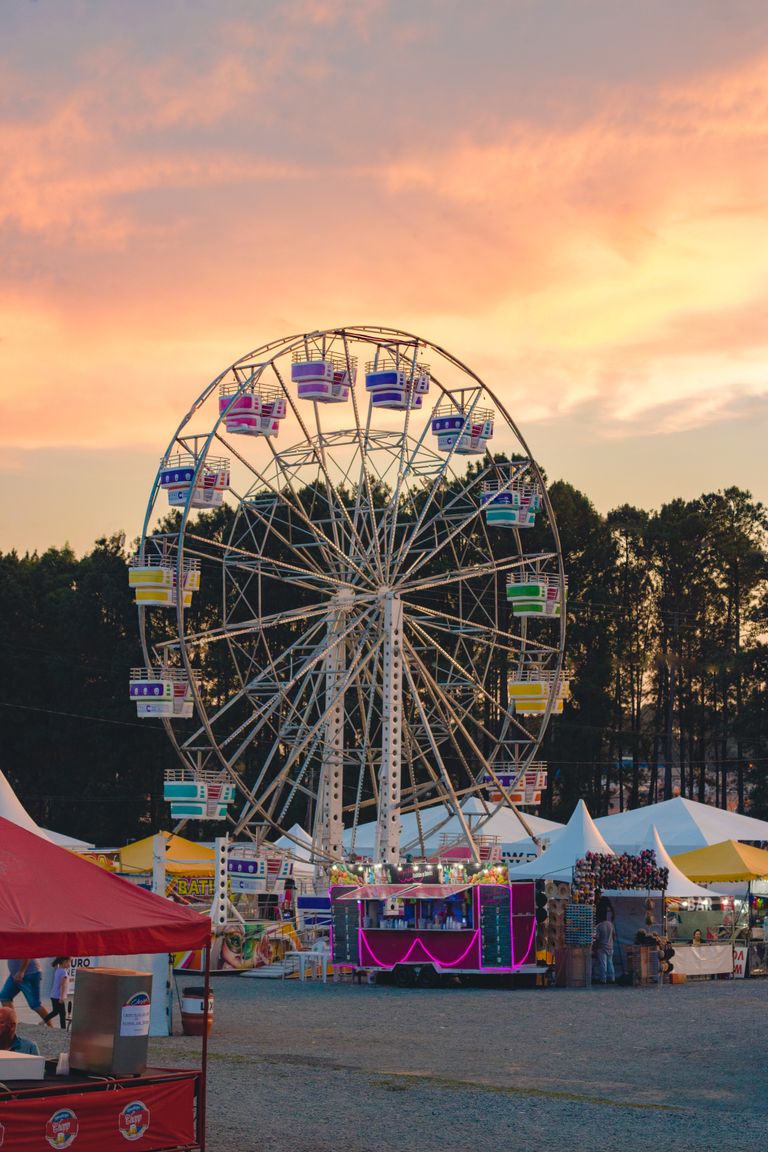
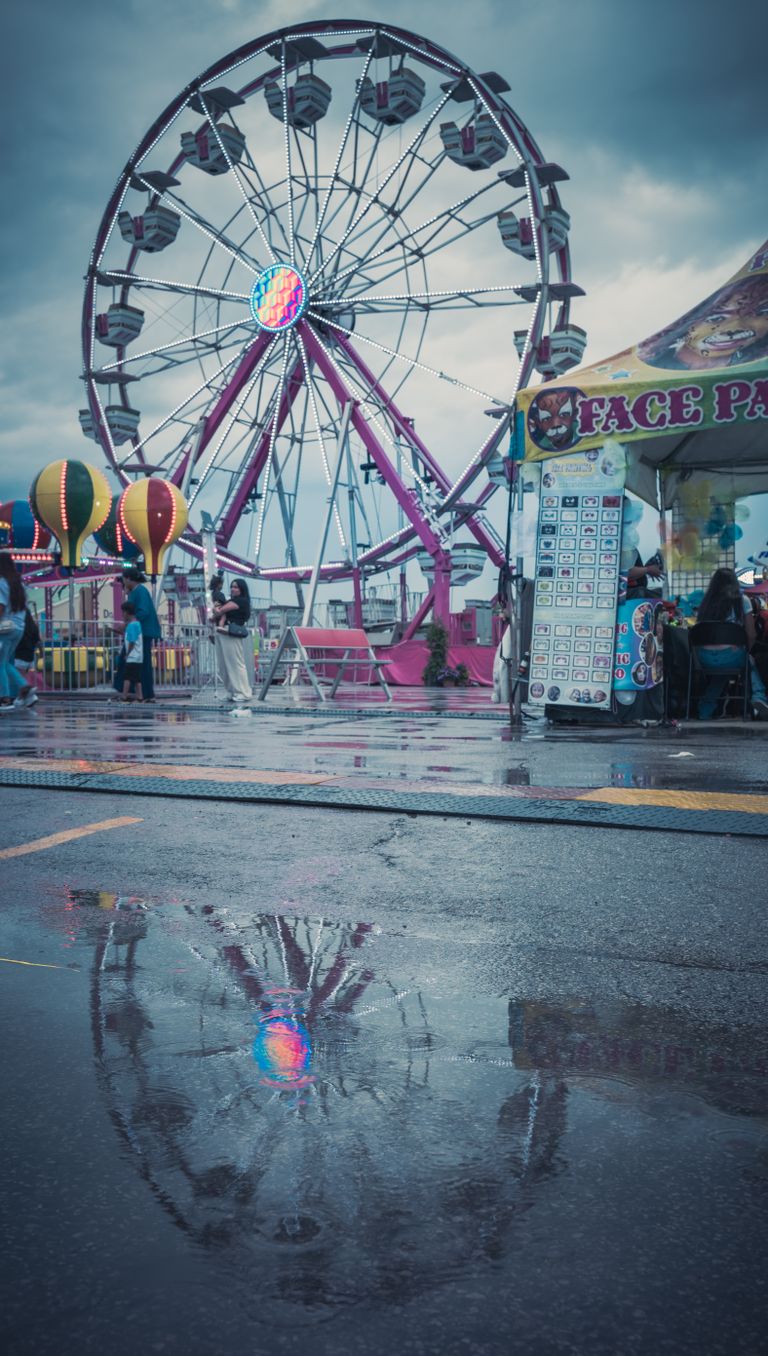
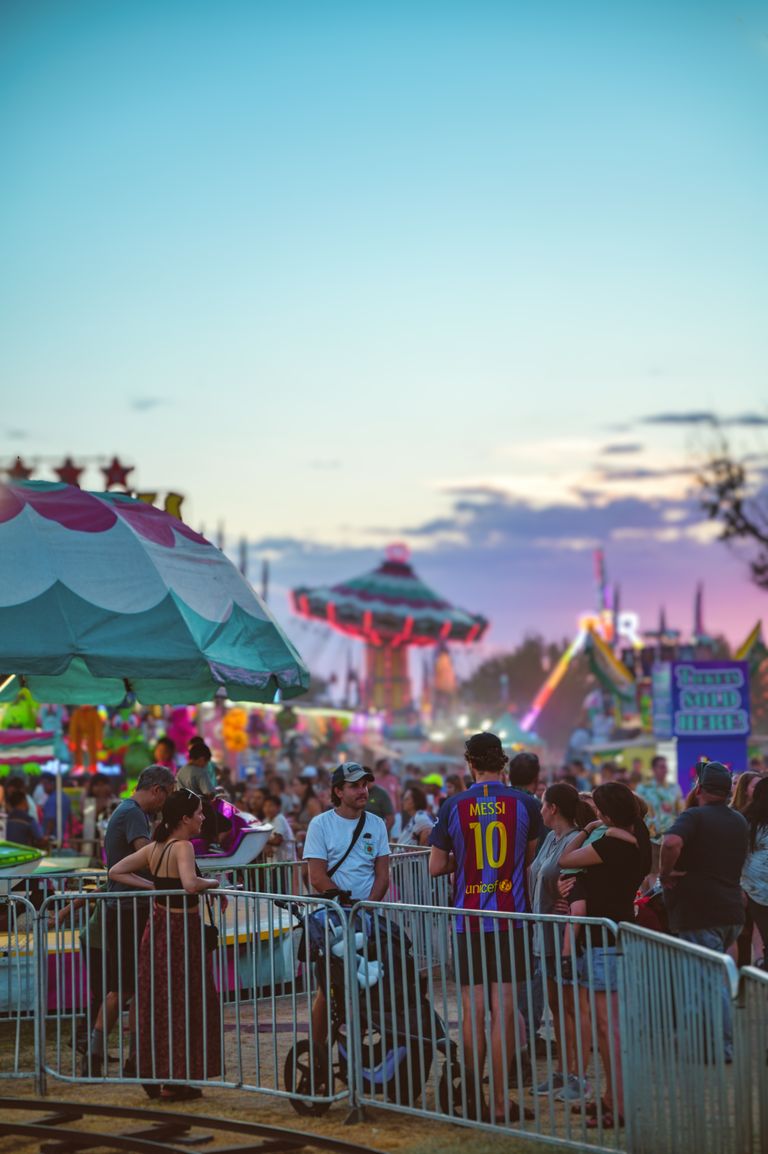
Traveling carnivals, midway rides, fair food stands, and evening entertainment are common features of many Kansas county fairs, but their presence at Wabaunsee County Fairgrounds should be confirmed for the specific year.
Visitors should not assume that unlimited ride wristbands, advance admission discounts, free entry for children, or senior discounts are available. Admission prices and payment arrangements depend on the published fair policy.
Local food stands can also provide an opportunity for community organizations to raise money. Whether particular nonprofit groups, vendors, or special food traditions will be present should be verified from the current event program.
Junior Fair and Youth Programs
The junior fair gives young exhibitors a structured setting to demonstrate skills learned through 4-H, agricultural education, and other youth programs. Depending on the scheduled divisions, activities may include livestock judging, project displays, demonstrations, and presentations.
A junior livestock sale, if included in the year’s program, allows buyers to support eligible young exhibitors. Sale dates, participation rules, bidding procedures, and payment arrangements should be confirmed with the organizers.
Facilities and Grounds

The facilities at Wabaunsee County Fairgrounds support the practical needs of exhibitors, organizers, and visitors during fair week. The exact number of permanent structures, building dimensions, and available amenities should be confirmed with the fair board before publishing detailed facility specifications.
Exhibition Buildings and Livestock Areas
Exhibition buildings at agricultural fairs commonly accommodate indoor judging, educational displays, and entries that need protection from the weather. Livestock facilities provide space for animals to be housed, prepared, and presented according to the fair’s rules.
Exhibitors should ask organizers about animal arrival times, stall assignments, bedding requirements, cleaning responsibilities, and restrictions on overnight animal care. Not every livestock species necessarily has a separate barn, and stall reservations should not be assumed to be available to the public.
Discover Wabaunsee County Kansas Fairgrounds Events for updates about agricultural fairs livestock exhibitions community celebrations and family activities. Visitors can also explore Trego County Kansas Fairgrounds Events for additional county fairground information.
Arena and Outdoor Event Space
Outdoor areas may accommodate livestock activities, demonstrations, and other scheduled fair events. Whether the Wabaunsee County grounds have a dedicated grandstand, a permanent arena, or a specific seating capacity requires local confirmation.
Visitors attending evening activities should check the program for the designated viewing area, seating arrangements, and weather-related changes.
Parking, Accessibility, and Visitor Amenities
Drivers visiting the grounds in Alma should follow the event-specific parking instructions. Accessible parking, restroom access, paved routes, concession locations, and first-aid arrangements should be confirmed with organizers before arrival, particularly for visitors with mobility requirements.
Camping, RV hookups, overnight parking, ATMs, and public charging facilities should not be assumed to be available on the grounds. Visitors bringing recreational vehicles should arrange accommodation separately unless the fair board confirms suitable facilities.
Vendor and Exhibitor Information
Wabaunsee County Fairgrounds may be relevant to local businesses, artisans, agricultural suppliers, and community organizations interested in reaching fair visitors. Availability of commercial booths and the range of vendor categories permitted depend on the annual arrangements.
How to Apply for a Vendor Booth
Anyone interested in selling products or displaying services should contact the fair organizers before making travel or inventory arrangements. Ask whether commercial spaces are offered, how booth assignments are made, and whether vendors must provide their own tables, tents, electrical equipment, and insurance documentation.
Vendor applicants should also confirm:
- Application deadlines and booth fees.
- Permitted products and restrictions on sales.
- Electrical access and setup requirements.
- Food-service permits and inspection requirements, where applicable.
- Opening hours, cleanup rules, and vehicle access during setup.
These details should be obtained directly from the organizers because vendor arrangements can change annually.
Entering Competitive Exhibits
Competitive exhibitors should request the current year’s premium book. This document typically explains eligible categories, age divisions, judging standards, entry deadlines, check-in arrangements, and the process for collecting entries after the fair.
Livestock exhibitors may have additional requirements involving animal identification, health documentation, arrival times, and showmanship rules. Participants should confirm all applicable requirements before transporting animals to Alma.
Getting to Wabaunsee County Fairgrounds
Alma is the county seat of Wabaunsee County and the principal reference point for reaching the fairgrounds. Visitors traveling from outside the county should plan their route to Alma and confirm the exact fairground entrance before departure.
Driving from Alma and Nearby Cities
Travelers already in Alma should use the fair’s official directions and event-day parking instructions to reach the correct entrance.
Visitors coming from Topeka can plan a road trip west toward the Alma area. Those traveling from Manhattan or other communities farther west should check the route and road conditions before leaving. Actual travel time depends on the starting point, traffic, construction, and the specific entrance being used.
Kansas state highways and local roads connect communities across Wabaunsee County, but the road providing the most direct access to the fairgrounds should be confirmed rather than guessed.
Public Transportation and Rideshare
Visitors should not assume that regular public transportation or a dedicated fair shuttle serves the grounds. Rideshare availability may also be limited in a rural area, especially after evening events.
Anyone relying on a taxi or rideshare service should arrange pickup details in advance. During busy fair periods, drivers should follow the organizers’ designated drop-off instructions and avoid blocking livestock trailers, emergency access routes, or pedestrian entrances.
4-H and FFA at Wabaunsee County Fairgrounds
Youth agricultural programs are an important part of the Kansas county-fair tradition. At Wabaunsee County Fairgrounds, the local fair program and extension-based educational activities are the appropriate starting points for families seeking information about youth participation.
The Role of K-State Research and Extension
K-State Research and Extension provides agricultural education and youth-development programming across Kansas. The Wabaunsee County extension office is an appropriate source to contact about local 4-H enrollment, project guidance, fair requirements, and relevant educational activities.
Families should ask which 4-H clubs are active, what projects are available, and when young people must enroll to participate in the county fair. Current club counts and individual club meeting schedules should be verified locally.
Future participants should also confirm whether specific FFA chapters from nearby high schools take part in the fair. School participation and the availability of particular competitions can vary.
Junior Livestock Auction and Buyer Participation
If the annual program includes a junior livestock auction, it can connect young agricultural exhibitors with local businesses, families, and community supporters.
The process generally involves eligible exhibitors presenting approved animals, followed by bidding under the sale’s rules. Buyers should clarify whether the transaction involves purchasing the animal, supporting the exhibitor through an alternative arrangement, or another approved sale format.
Before attending, prospective buyers should verify registration requirements, the sale order, accepted payment methods, animal ownership rules, and how proceeds are distributed. These details are specific to the current sale and should not be inferred from another county’s program.
Special Events Beyond the Annual Fair
The annual county fair is the principal event visitors should investigate first, but fairgrounds can also support activities throughout the year when facilities are available.
Potential uses of agricultural fairgrounds include educational meetings, livestock-related gatherings, craft exhibitions, community fundraisers, and private functions. The availability of each activity at Wabaunsee County Fairgrounds must be confirmed with local organizers.
Seasonal Gatherings and Community Activities
Spring and early summer can bring agricultural preparation, youth project work, and planning for the annual fair. The summer fair period is the main time to watch for public competitions and community attendance.
Fall and winter activities depend on indoor facilities, organizer schedules, and local demand. Do not assume that Wabaunsee County hosts recurring gun shows, flea markets, motocross events, tractor pulls, rodeos, concerts, or holiday festivals at the grounds without a confirmed announcement.
Organizations considering a fundraiser or gathering should ask about facility rental, permitted event types, insurance, cleanup, security, and availability.
History of Wabaunsee County Fairgrounds
Wabaunsee County’s agricultural identity provides the context for its county-fair tradition. Agricultural fairs throughout Kansas developed as opportunities for farmers and families to display livestock, compare crops, share practical knowledge, and recognize achievements in farming and domestic arts.
The modern county fair also gives younger generations a public setting in which to demonstrate skills learned through supervised projects. Livestock care, food preparation, craftsmanship, and public presentations can connect educational activities with the wider community.
However, the precise establishment date of Wabaunsee County Fairgrounds, the year the first county fair was held, major construction milestones, historic attendance records, and any past cancellations require confirmation from local historical records or fair organizers. These details should not be presented as facts without supporting evidence.
The grounds’ continuing role is best understood through the activities organized there today: agricultural education, youth participation, competitive exhibits, and opportunities for residents to gather around local traditions.
Frequently Asked Questions About Wabaunsee County Fairgrounds
When is the Wabaunsee County Fair in 2027?
The exact 2027 dates should be confirmed through the official county fair schedule. Visitors should verify the opening day, closing day, livestock show times, and any separately scheduled evening entertainment before planning their trip.
What time does Wabaunsee County Fairgrounds open?
Opening hours depend on the event and the activities scheduled for that day. Livestock check-in and judging may begin at different times from public admission. Check the daily program before traveling to Alma.
Is there camping at Wabaunsee County Fairgrounds?
On-site camping and RV hookups have not been confirmed here. Visitors bringing recreational vehicles should contact the fair organizers to ask about permitted overnight parking, hookup availability, fees, and nearby alternatives.
How do I enter livestock in the Wabaunsee County Fair?
Start by contacting the local extension office or fair organizers and requesting the current premium book. Confirm eligibility, entry deadlines, animal identification, health requirements, check-in times, and the rules for the relevant livestock class.
Are dogs allowed at Wabaunsee County Fairgrounds?
Pet rules should be confirmed before arrival. Agricultural fairs may restrict pets in livestock barns, exhibition buildings, or competition areas. Visitors should ask about leash requirements, service-animal access, and any event-specific restrictions.
Where do I park at Wabaunsee County Fairgrounds?
Use the parking area designated by event organizers and follow posted directions. Livestock trailers, accessible parking, vendor vehicles, and emergency routes may have separate arrangements during the fair.
Who do I contact to rent Wabaunsee County Fairgrounds?
Contact the county fair organizers or the organization responsible for managing the grounds. Ask about available buildings, rental dates, fees, insurance, setup requirements, and whether the intended activity is permitted.
How much does it cost to attend the Wabaunsee County Fair?
Admission prices for the relevant year should be confirmed through the published fair information. Do not assume that gate admission, carnival rides, grandstand entertainment, parking, and special activities are included in one ticket.
What activities can children enjoy at the county fair?
Depending on the annual program, children may enjoy agricultural exhibits, youth demonstrations, livestock shows, educational activities, and any scheduled family entertainment. Confirm which attractions are actually offered for the year of your visit.
Can local businesses sell products at the Wabaunsee County Fair?
Interested businesses should ask organizers whether commercial vendor spaces are available. Booth fees, application deadlines, product restrictions, electrical access, and food-service requirements should be confirmed before submitting an application.
Are 4-H projects displayed at Wabaunsee County Fairgrounds?
The county fair is an appropriate place to investigate local 4-H participation and youth agricultural projects. The specific clubs, divisions, judging sessions, and eligibility rules should be confirmed with the extension office and the current fair program.
Are rodeos, tractor pulls, and demolition derbies held at the fairgrounds?
These activities are common at some county fairs, but their inclusion in Wabaunsee County’s schedule must be verified for the relevant year. Check the announced program rather than assuming a particular grandstand event will take place.
One Comment