Rush County Kansas Fairgrounds Events
Rush County, Kansas, has a strong agricultural heritage shaped by cattle production, farming, and small rural communities. The county fair is an important gathering point for residents who want to celebrate local agriculture, recognize young exhibitors, and take part in traditional summer activities. For families involved in 4-H, the fair also provides an opportunity to display months of work in livestock projects, home economics, and other educational competitions.
The Rush County Fairgrounds are associated with the county’s annual agricultural fair and youth exhibition activities. La Crosse, the county seat, is a useful starting point for visitors seeking information about local fair facilities. However, the exact current street address, acreage, building count, and facility layout should be confirmed through local county records before visitors rely on those details for travel or event planning.
Rush County’s agricultural events serve more than an entertainment purpose. They give young people experience in animal care, recordkeeping, public speaking, competition, and responsible project management. Livestock shows and exhibit displays also allow families to share farming knowledge across generations.
The fair’s local organization and arrangements are important to check before attending. The Rush County government, local fair organizers, and the county’s Kansas State University Research and Extension office are useful starting points for confirming fair operations, youth competitions, and participation requirements.

Upcoming Events at Rush County Fairgrounds
Rush County’s main annual event is the Rush County Fair, which brings together 4-H competitions, open-class exhibits, livestock judging, and community activities. The fair is organized around agricultural education and youth participation rather than relying solely on midway entertainment.
Events visitors can expect
The fair program has included a range of animal and non-animal competitions. Depending on the year’s schedule, visitors may find:
- Beef cattle, swine, sheep, and goat shows.
- Poultry and rabbit exhibits.
- Dog and pet competitions.
- Bucket calf activities and livestock showmanship.
- 4-H project judging and open-class displays.
- Photography, arts and crafts, food preservation, floriculture, and other creative exhibits.
- Youth recognition activities and livestock premium events.
These are grounded in Rush County’s published fair materials, although individual classes and event times can change each year.

How to find the current schedule
The most reliable way to plan a visit is to consult the annual Rush County Fair schedule and fairbook. The Walnut Creek District Extension office in La Crosse also provides information about 4-H entries, livestock requirements, judging schedules, and registration.
The published 2026 schedule placed the Rush County Fair from July 29 through August 1, 2026. Those dates have passed, so visitors planning for 2027 should wait for the next official announcement rather than assuming the same dates will apply.
Outside fair week, do not assume that the grounds host regular public events. Rodeos, demolition derbies, flea markets, gun shows, concerts, and private gatherings should be treated as unconfirmed unless listed in an actual event announcement. Facility rentals and availability likewise need confirmation from the local fair organization.
The Rush County Fair Itself
Typical fair week: Late July to early August
The Rush County Fair is traditionally held during the summer. In 2026, the published dates were July 29–August 1. The exact dates for the 2027 Rush County Fair should be confirmed when the new schedule is released.
Livestock, exhibits, and competitions
Livestock judging is a major part of the fair’s educational program. Beef, swine, sheep, goats, poultry, and rabbits have featured in published fair schedules, alongside bucket calf activities and showmanship. These competitions require exhibitors to prepare their animals, follow entry and health rules, and demonstrate their knowledge before judges.
Non-livestock exhibits provide another important part of the Rush County Fair. Depending on the current fairbook, participants can enter categories such as photography, arts and crafts, textiles, woodworking, agricultural projects, food preparation, and food preservation.
Open-class participation is also available, allowing eligible exhibitors to enter categories outside the 4-H division. Specific eligibility rules, class descriptions, judging criteria, and submission times should be checked in the current fairbook.
Carnival rides, food, and entertainment
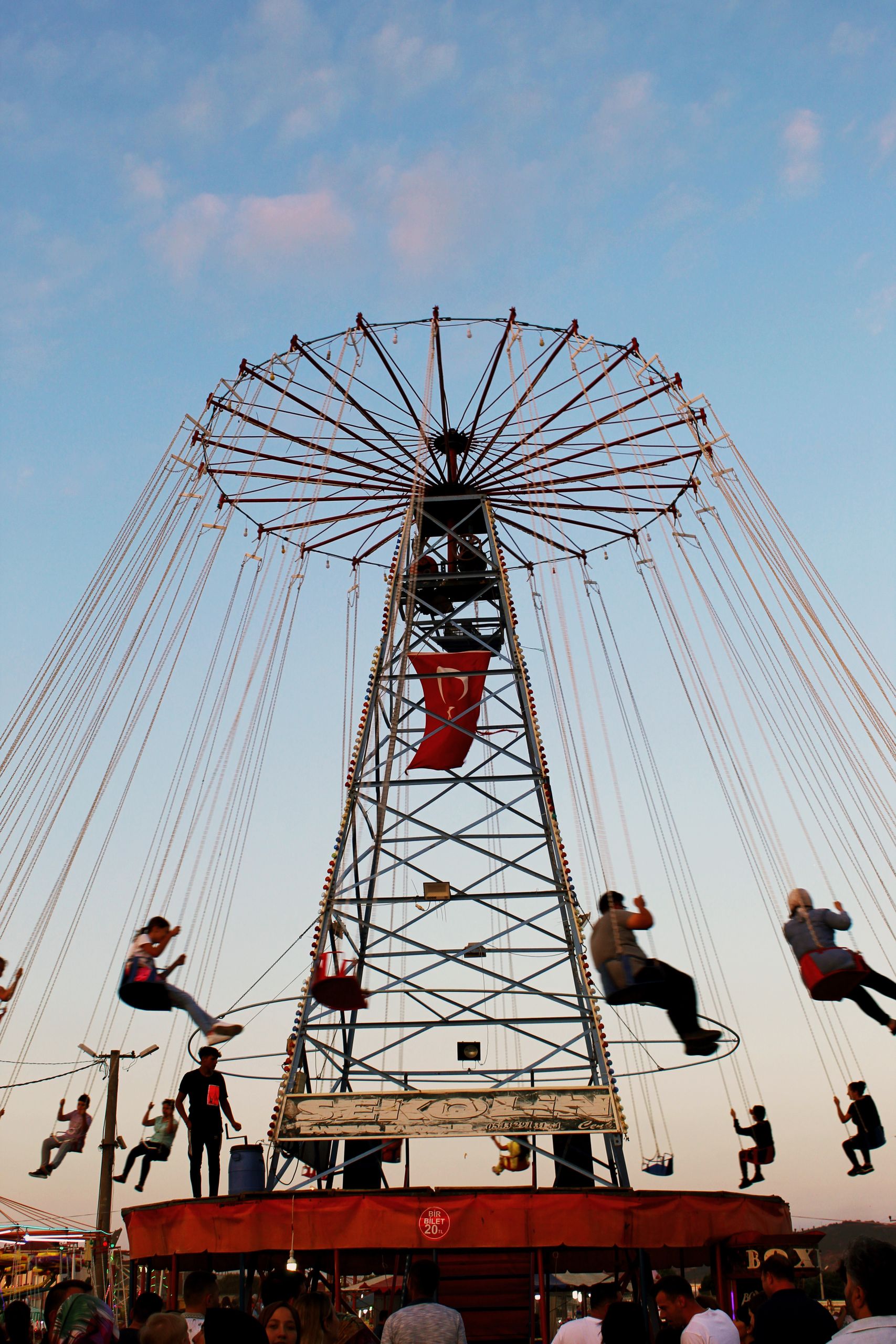
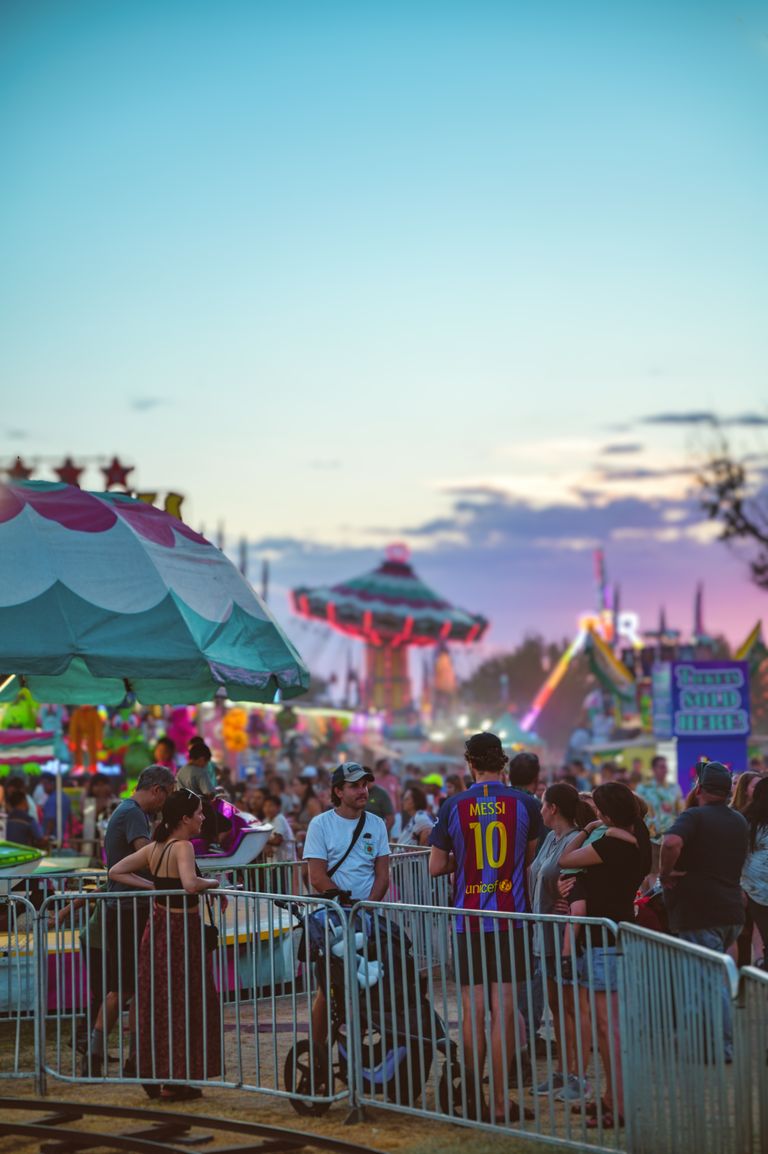
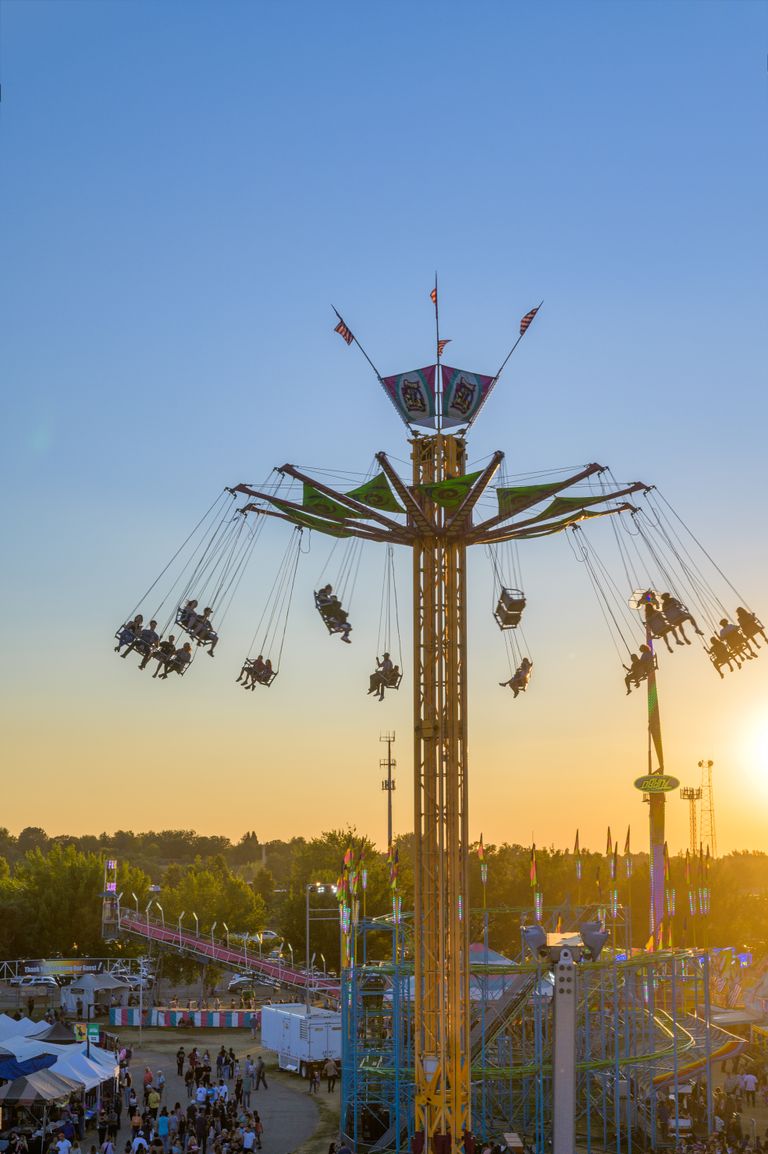
Traveling midway attractions have been part of Rush County’s fair history. A county historical account documents Burton Brothers Amusements providing midway rides and games for the 2021 fair. That historical detail does not establish which company, if any, will provide rides at a future fair.
Visitors should check the annual program before budgeting for ride wristbands, individual tickets, or midway games. Current admission charges, ride packages, food prices, and any free-entry arrangements should not be assumed from previous years.
Fair food and community concessions may be available during scheduled activities, but the specific vendors and operating hours vary. The printed program is the best place to confirm grandstand entertainment, evening activities, and any special attractions.
Youth fair and premium events
For participating families, fair week is the culmination of months of work. Livestock exhibitors prepare animals, while other 4-H members develop projects, assemble exhibits, and practice presentations. Rush County fair materials also include premium-auction information for eligible youth exhibitors. Families should review the current rules to learn which projects qualify and what deadlines apply.
Facilities and Grounds

Exhibition buildings and livestock areas
The Rush County Fair uses facilities for livestock handling, judging, and the display of competitive exhibits. Published schedules identify the fairgrounds as a location for small-animal check-in and weigh-in, while livestock events include species-specific judging activities.
Discover Rush County Kansas Fairgrounds Events for details about agricultural fairs livestock shows vendor opportunities and family activities. Visitors can also explore Rooks County Kansas Fairgrounds Events for additional Kansas fairground information.
The exact number of permanent buildings, barn dimensions, stall capacity, grandstand seating, and total acreage have not been established here. Visitors transporting animals or planning to reserve space should confirm these details with the fair board.
Parking, accessibility, and visitor amenities
Before arriving, visitors should confirm the designated parking areas and whether additional parking is available during busy livestock shows. Accessible parking, restroom arrangements, paved routes, concessions, first-aid provision, and other amenities should also be checked with the organizers.
Camping and RV hookups should not be assumed to be available on the grounds. Anyone needing overnight accommodation should confirm camping rules and nearby alternatives before travelling.
Vendor and Exhibitor Information
Commercial vendor applications
Businesses, food vendors, craftspeople, and community organizations interested in participating should contact the Rush County Fair Association to ask whether commercial spaces are available for the upcoming fair.
Before making arrangements, confirm:
- Booth dimensions, location, and rental charges.
- Application deadlines and required deposits.
- Electricity, water, and food-service requirements.
- Insurance documentation and any health permits.
- Setup times, operating hours, and removal procedures.
A place at the fair should not be considered secured until the organizer confirms the application and any required payment.
Competitive exhibit entries
The annual fairbook explains how exhibitors enter 4-H and open-class competitions. Registration dates differ by division and year. The 2026 4-H FairEntry registration period was July 1–15, 2026, while the published open-class registration information listed a different deadline. Those past dates should not be reused for 2027.
Exhibitors should read the current premium book carefully for eligible categories, livestock identification and health rules, exhibit labels, weigh-in times, and judging procedures.
Getting to Rush County Fairgrounds
Driving from La Crosse and nearby communities
La Crosse is the Rush County seat and the practical starting point for visitors coming from within the county. The 2026 Kansas county fair listing identified the fair location as Highway 4, La Crosse, Kansas 67548. Visitors should confirm the exact entrance and parking arrangements before travelling, particularly when bringing trailers or livestock.
People arriving from nearby western Kansas communities should plan their route using current road information and the fair’s announced location. Do not rely on an unverified entrance address or assume a particular gate is open during fair week.
Public transportation and rideshare
Visitors should plan primarily on driving to the fairgrounds. Scheduled public transportation or dedicated fair shuttles have not been confirmed. Rideshare availability may also be limited in rural Rush County, particularly during evening events. Arrange a pickup point with the event organizers if traffic restrictions or gate closures are in effect.
4-H and FFA at Rush County Fairgrounds

Rush County 4-H clubs
The Walnut Creek District of K-State Research and Extension serves Rush County and supports youth development and fair-related educational activities. Listed Rush County clubs include Lone Star Rangers, Otis Go Getters, Rush County Road Runners, and Walnut City. Meeting locations and schedules can change, so families should confirm current details before attending.
The extension office helps participants understand entry requirements, judging procedures, project standards, and fair deadlines. Its role is particularly important for first-time exhibitors who need guidance on preparing an exhibit or entering a livestock class.
FFA participation and junior livestock premiums
FFA students may participate in agricultural learning and livestock activities where permitted by the current fair rules. The specific participating school chapters and eligibility requirements should be confirmed rather than assumed.
A premium auction recognizes eligible youth projects and connects exhibitors with buyers and community supporters. Auction procedures, qualifying animals or projects, sale times, and payment arrangements depend on the current rules. Anyone interested in bidding should ask the fair organizers about registration and purchase procedures.
Special Events Beyond the Annual Fair
The annual Rush County Fair is the best-established event associated with the grounds. Other activities may be organized at different times, but their availability needs to be confirmed individually.
Potential uses of rural fair facilities include agricultural meetings, livestock-related activities, community fundraisers, craft gatherings, and private events. This does not mean every type of event takes place at Rush County Fairgrounds.
Visitors searching for a specific rodeo, demolition derby, tractor pull, horse show, swap meet, or concert should look for a dated announcement before making travel arrangements. Organizers should also confirm whether the event is open to the public, requires advance registration, or charges admission.
History of Rush County Fairgrounds
Rush County’s fair tradition reflects the long-standing role of agriculture in rural community life. Historical fair accounts describe early gatherings focused on livestock and agricultural displays, followed by the development of organized fair associations and dedicated exhibition spaces.
The Rush County historical account records an early fair near the Lower Cemetery on South Jackson Street in Rushville in 1851. That event included the judging of horses and cattle, and a live buffalo was reportedly displayed. By 1852, a Rush County Agricultural Association had formed. The historical account also records the purchase of eleven acres in 1856, approximately two miles east of Rushville along State Road 44.
The early fairgrounds and historical sites should not be confused with the current fair location in La Crosse, Kansas. The historical account describes several locations over time, illustrating how agricultural exhibitions evolved alongside the county’s communities.
Today, the Rush County Fair continues that tradition through youth competitions, livestock judging, creative exhibits, and community involvement. The current annual program provides the clearest picture of how the event has developed in recent years.
Frequently Asked Questions
When is the Rush County Fair in 2027?
The 2027 dates should be confirmed through the annual fair schedule. The published 2026 Rush County Fair ran from July 29 through August 1, 2026, providing a recent reference point but not a guarantee of the next year’s dates.
What time does Rush County Fairgrounds open?
Opening hours vary according to the event and activity. Livestock check-in, exhibit judging, and evening entertainment may each have different schedules. Check the current fair program before visiting.
Is there camping at Rush County Fairgrounds?
On-site camping and RV facilities have not been confirmed. Contact the fair organizers before bringing a camper or planning an overnight stay.
How do I enter livestock in the Rush County County Fair?
Review the current Rush County fairbook and contact the Walnut Creek District Extension office in La Crosse. You may need to complete registration, meet animal identification and health requirements, and arrive at the assigned check-in or weigh-in time.
Are dogs allowed at Rush County Fairgrounds?
Pet policies depend on the event and the fair’s current rules. Although dog competitions have appeared in fair schedules, that does not mean household pets are automatically permitted throughout the grounds. Confirm the policy before bringing a dog.
Where do I park at Rush County Fairgrounds?
Use the designated parking areas identified by event staff or posted instructions. Ask about accessible parking, trailer parking, and overflow arrangements if you are attending a major livestock event.
Who do I contact to rent Rush County Fairgrounds?
Start with the Rush County Fair Association or the local fair organizers to ask about facility rentals, availability, fees, insurance, and permitted uses. Rental availability and terms must be confirmed directly.
How much does it cost to get into the Rush County County Fair?
Current admission prices have not been confirmed. Check the latest fair announcement for gate admission, ride wristbands, special-event charges, and any free-admission policies.
What livestock shows are held at Rush County Fairgrounds?
Published Rush County fair schedules have included beef, swine, sheep, goats, poultry, rabbits, bucket calves, and showmanship. The current fairbook determines which divisions and classes are offered each year.
Can adults enter open-class exhibits?
Yes, the fair’s published materials describe an Open Class Division alongside 4-H participation. Entrants should consult the current fairbook for eligible categories, age rules where applicable, registration procedures, and deadlines.
How can I find upcoming events at Rush County Fairgrounds?
Check the latest Rush County Fair Association announcements, the Walnut Creek District Extension office’s fair information, and local community notices. Confirm the event date and operating hours before travelling.

One Comment