Harper County Kansas Fairgrounds Events
The Harper County Fair is an annual gathering in Harper, Kansas, that brings together 4-H members, FFA students, agricultural families, local exhibitors, and visitors from communities across south-central Kansas. The fair focuses on youth development, livestock projects, home and garden exhibits, and activities that connect residents with the county’s agricultural heritage.
Harper is located near the intersection of U.S. Highway 160 and Kansas Highway 14, approximately 45 miles southwest of Wichita. Its location makes the county fair accessible to families traveling from Anthony, Attica, and surrounding rural communities.
The fairgrounds are associated with the annual Harper County Fair, while Kansas State University Research and Extension’s Harper County office coordinates many of the educational programs and exhibitor requirements. The grounds serve as a place for organized competitions and community activities, particularly during the summer fair season.
A precise founding year for the fairgrounds, their total acreage, and the number of permanent buildings are not established in the information available here. Visitors should not assume that every event takes place in a single exhibition building; some activities may use separate arenas, livestock areas, or other community venues.

For Harper County residents, the fair is more than a summer attraction. It gives young exhibitors an opportunity to present projects developed over months, receive feedback from judges, and demonstrate the skills they have gained through agricultural education and 4-H participation.
Upcoming Events at Harper County Fairgrounds
The principal annual event is the Harper County Fair, held in August. Other activities associated with fair preparation include animal identification and weigh-ins, project judging, horse-show activities, and exhibitor registration.
The exact schedule changes from year to year. Anyone searching for upcoming events in Harper County should distinguish between events held on the fairgrounds and related competitions scheduled at other local venues.
Events visitors can expect
- Livestock exhibitions: Youth livestock projects and species-specific judging are important parts of the county fair program.
- 4-H and FFA competitions: Participants present animal projects and non-livestock work for evaluation.
- Open-class exhibits: Eligible community members can enter categories according to the annual fair rules.
- Horse activities: Horse-show participation is included in the county’s fair programming, with the location and schedule confirmed in the current fair book.
- Community entertainment: The published fair program has included activities such as a demolition derby, a parade, horseshoe competitions, and other family-oriented events.

A demolition derby or parade should not be treated as a permanent fixture on every year’s schedule. Visitors should confirm the specific date and venue before making travel plans.
For the most reliable event details, contact the Harper County K-State Research and Extension office at 620-842-5445. The office provides information about fair entries, project requirements, livestock procedures, and the annual fair book.
Facility rentals for weddings, private parties, commercial exhibitions, or other outside events should be confirmed directly with the responsible fairground or event organizer. Public information does not establish a complete rental calendar or a standard facility-rental policy.
The Harper County Fair
Annual Fair Dates: August
The Harper County Fair traditionally takes place in August. The 2026 edition was also scheduled for August, while the dates for the 2027 fair should be confirmed through the county’s current fair announcements rather than assumed from a previous year’s calendar.
The fair book is the key document for determining the opening times, judging schedule, animal check-in requirements, and special-event arrangements for a particular year.
Livestock and competitive exhibits
Livestock competitions are a major part of the fair’s educational program. Published Harper County fair materials cover beef cattle, swine, sheep, goats, poultry, rabbits, and horse-related activities. Exact classes and eligibility rules depend on the current year’s premium book.
Non-livestock exhibitors may also find categories covering photography, foods and nutrition, visual arts, sewing and textiles, woodworking, horticulture, engineering, robotics, natural resources, and other 4-H projects. Open-class categories provide additional opportunities for eligible participants outside the 4-H and FFA programs.
Carnival, food, and entertainment
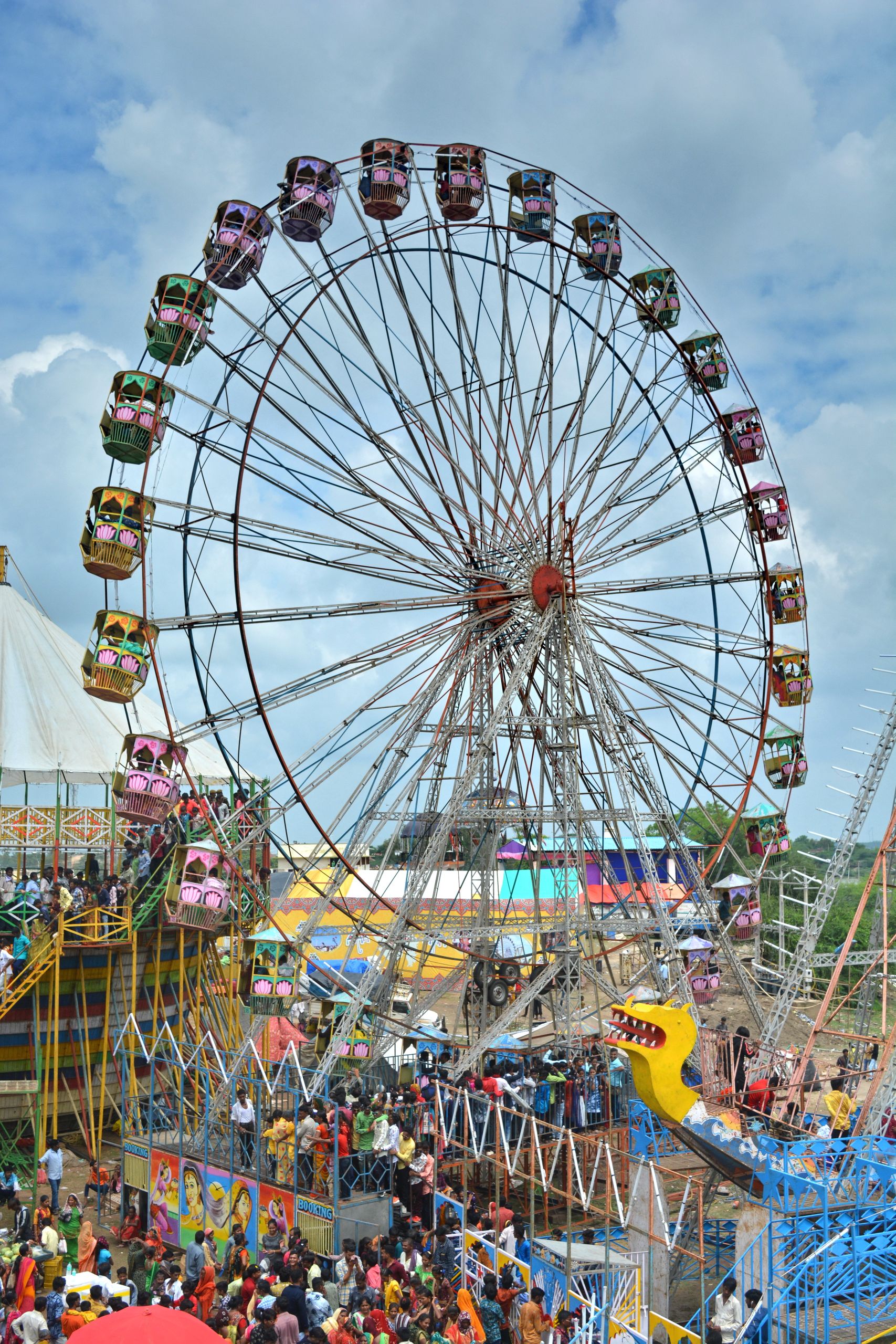
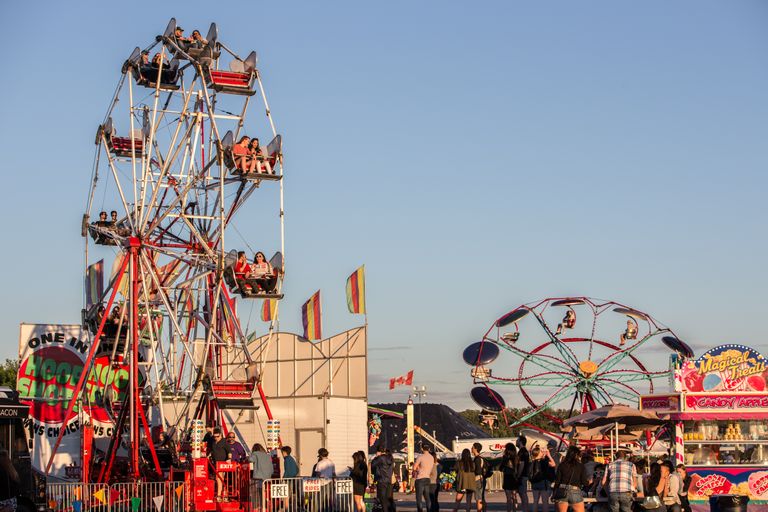
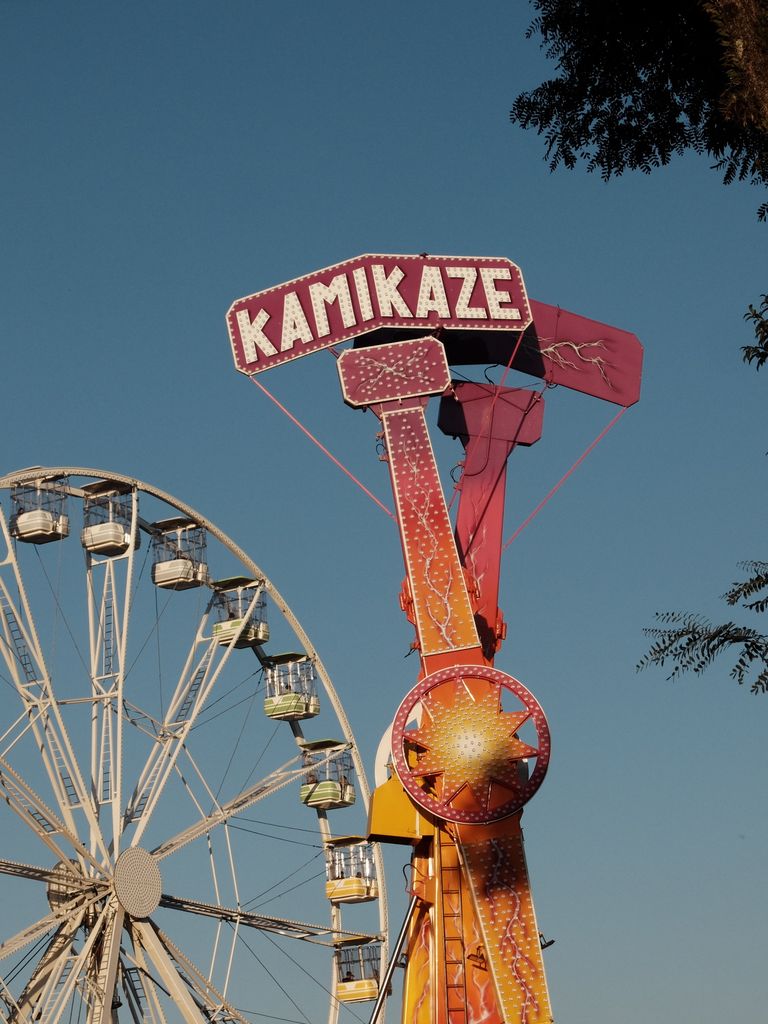
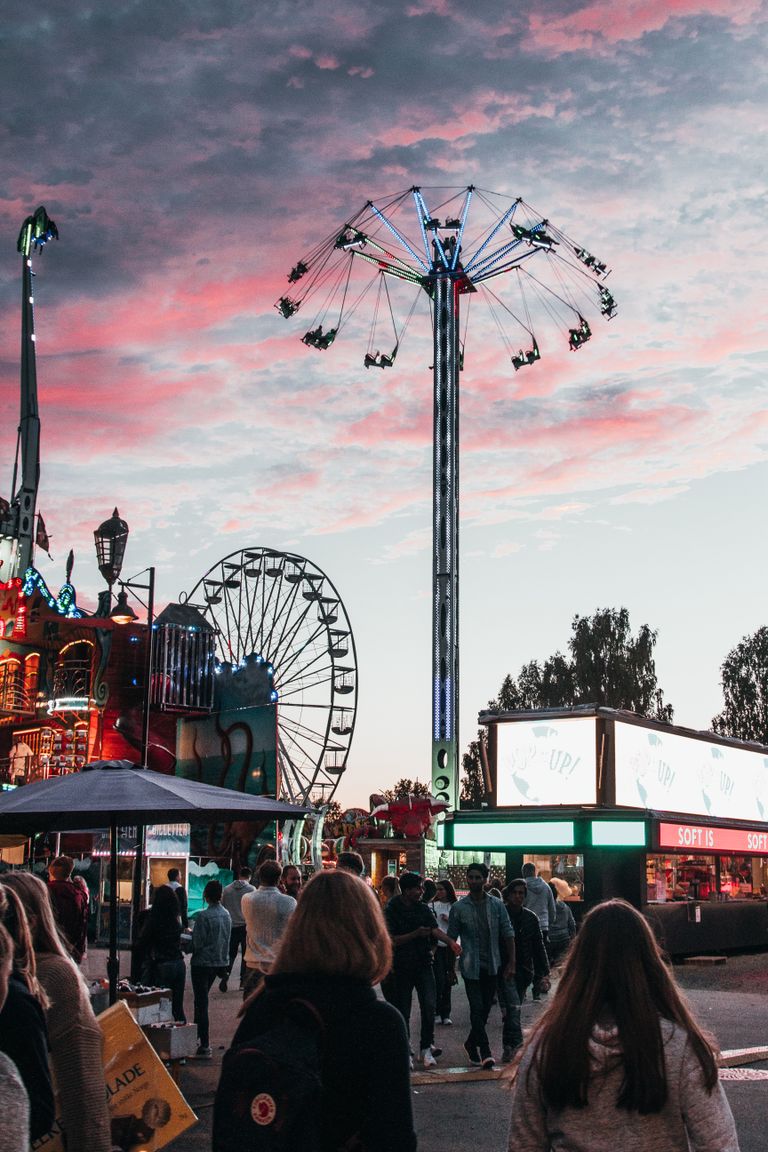
Traveling carnival rides, wristband offers, and midway arrangements should be confirmed for each year’s fair. A guaranteed ride count or standard wristband price cannot be established without the current schedule.
Food is another familiar part of fair week, when families can combine exhibit visits with meals and community gatherings. Published Harper County programs have included organized food-related activities, including a pancake feed and a watermelon feed. Individual concession vendors and menus can vary annually.
Grandstand and community entertainment may include motorsport events, parades, contests, and other scheduled attractions. Check the daily program before planning an evening around a particular event.
Discover Harper County Kansas Fairgrounds Events for details about livestock exhibitions agricultural displays community fairs and family activities. Visitors can also explore Hamilton County Kansas Fairgrounds Events for additional Kansas fairground information.
Admission and parking
Current gate admission prices, parking charges, season passes, and age-based discounts require confirmation from the fair organizers. Do not assume admission is free or that every grandstand event is included in a general admission ticket.
Parking arrangements may change with attendance and the day’s activities. Follow posted signs and instructions from event staff when arriving.
Facilities and Grounds

Harper County’s fair activities involve spaces for animal exhibitions, project displays, judging, and public gatherings. The exact inventory of buildings, seating capacity, RV hookups, accessible facilities, and parking spaces should be confirmed with the local organizers before a visit.
Livestock and exhibition areas
Animal exhibitors must follow the current fair book for arrival times, identification, health requirements, weighing, and pen or stall assignments. Species-specific arrangements matter because a beef project, poultry entry, and horse exhibit do not necessarily follow the same procedures.
Static exhibits are governed by their own entry and display rules. Participants should check whether their projects must be pre-entered, delivered during a designated window, or collected after judging.
Visitor amenities and accessibility
Before traveling, visitors who need accessible parking, step-free routes, accessible restrooms, or other accommodations should ask the fair office what is available at the particular venue hosting their event.
The availability of permanent concession facilities, ATMs, first-aid stations, camping spaces, and designated overflow parking has not been established comprehensively. Visitors bringing recreational vehicles should arrange overnight parking separately unless fair organizers explicitly confirm camping access.
Vendor and Exhibitor Information
Applying for a vendor booth
Businesses and organizations interested in selling products, displaying services, or operating a booth should request the current commercial booth application from the Harper County Extension office or the fair organizers.
Ask about booth dimensions, fees, electrical access, setup times, insurance requirements, and whether the application requires advance approval. These details can differ by year and type of vendor.
Entering exhibits
The fair offers both 4-H-related entries and open-class opportunities, subject to the annual rules. Harper County has used the FairEntry registration system for its fair program.
The published 2026 registration period ran from June 11 through July 15, 2026. Those dates are historical and should not be reused as the 2027 deadline without confirmation.
Exhibitors should read the current premium book carefully. The county has issued updates to project classifications and exhibit rules, so previous-year instructions may no longer apply.
For entry assistance, contact the Harper County Extension office at 620-842-5445. Open-class exhibitors, youth members, and livestock-sale buyers may have different registration requirements.
Getting to Harper County Fairgrounds
Harper is the principal destination for visitors attending the Harper County Fair. The city lies in south-central Kansas near U.S. Highway 160 and Kansas Highway 14, providing road access from nearby towns and the Wichita area.
Driving directions
- From downtown Harper: Follow local road signs toward the fair venue and check the address listed in the current fair announcement before setting out.
- From Anthony: Travel toward Harper using the appropriate connecting highways and local roads.
- From Wichita: U.S. Highway 160 and connecting state highways provide access toward Harper from the southwest.
- From Attica: Use the local highway network connecting Attica with Harper, then follow event-specific directions.
The fair venue’s address should be checked against the particular event listing because some competitions and related activities may be held away from the main grounds.
Public transportation and dedicated fair-week shuttles have not been confirmed. Visitors should plan for private vehicles unless organizers announce another arrangement. Rideshare users should agree on a pickup point that does not obstruct livestock unloading, vendor access, or emergency routes.
4-H and FFA at Harper County Fairgrounds

Youth agricultural education is central to the Harper County Fair. Through 4-H, participants develop practical skills in animal care, project management, public speaking, responsibility, and recordkeeping.
Harper County 4-H currently has five clubs, according to the county’s extension program information. The program serves young people ages 5–18, subject to its enrollment and participation rules.
The role of the Extension office
Kansas State University Research and Extension helps coordinate educational activities, communicate exhibit requirements, and provide resources to youth members and families. Its Harper County office is a useful starting point for questions about project eligibility, entry deadlines, and fair participation.
FFA students also take part in agricultural education and livestock-related activities. The county’s published fair materials identify participation involving local FFA groups, including Attica FFA and Chaparral High School’s FFA program.
Junior livestock sale
The livestock sale gives eligible youth exhibitors an opportunity to present qualifying animals to buyers. The 2026 Harper County fair information distinguishes terminal-sale animals, including market beef, market hogs, market lambs, and market goats.
Buyers interested in supporting exhibitors should review the current sale procedures and any available add-on arrangements. Add-on contributions allow eligible buyers to support youth projects under the rules established by the livestock committee. Payment methods, buyer registration, sale times, and animal-specific requirements must be checked for the relevant year.
Special Events Beyond the Annual Fair
Harper County’s fair program has included activities beyond livestock judging and project displays. Some are recreational competitions, while others bring residents together for food, entertainment, and community participation.
Examples documented in past fair programming include:
- Demolition derby entertainment.
- Horse-show activities.
- A community parade.
- Horseshoe competitions.
- A watermelon feed and other food-related gatherings.
- Youth demonstrations and educational contests.

These activities should be understood as events featured in published fair programs, not as a guarantee that every one will return annually.
There is insufficient confirmed information to establish a recurring schedule for gun shows, flea markets, motocross, ATV events, or winter trade shows at the Harper County fairgrounds. Anyone interested in these activities should verify the venue and event organizer before traveling.
History of Harper County Fairgrounds
Harper County’s agricultural fair reflects the region’s longstanding connection with farming, livestock production, and rural community life. County fairs provide a setting where agricultural knowledge can be shared between generations and where young people can demonstrate the results of their work.
The modern fair combines these agricultural roots with educational exhibits, entertainment, and public activities. The involvement of 4-H and FFA connects the event to structured youth-development programs, while open-class exhibits give community members additional ways to participate.
A precise establishment date for the fairgrounds, a verified chronology of major expansions, and documented attendance records are not established in the information available for this article. Specific claims about record crowds, famous visitors, historical cancellations, or the original construction of individual buildings therefore require confirmation from local historical records or the fair organization.
The fair’s continuing emphasis on youth projects and community participation remains an important part of its role in Harper County.
Frequently Asked Questions
When is the Harper County Fair in 2027?
The Harper County Fair traditionally takes place in August. The confirmed 2027 dates should be obtained from the current fair announcement or Harper County Extension office.
What time does Harper County Fairgrounds open?
Opening times vary by event and fair day. Livestock check-in, exhibit judging, and public activities may have different schedules, so consult the current daily program.
Is there camping at Harper County Fairgrounds?
Camping availability and RV hookups have not been confirmed. Contact the fair organizers before planning an overnight stay on or near the grounds.
How do I enter livestock in the Harper County Fair?
Eligible exhibitors should review the current fair book, complete the required registration, and follow animal identification, weigh-in, health, and arrival procedures. The Harper County Extension office can provide guidance.
Are dogs allowed at Harper County Fairgrounds?
A current general pet policy has not been confirmed. Ask the organizers before bringing a dog, especially during livestock competitions, when additional animal and safety rules may apply.
Where do I park at Harper County Fairgrounds?
Use designated parking areas and follow signs or instructions from event staff. Confirm overflow arrangements for particularly busy events.
Who do I contact to rent Harper County Fairgrounds?
Contact the fair organizers to determine whether the relevant buildings or outdoor areas are available for private rental. Rental rates, deposits, insurance requirements, and permitted uses need to be confirmed directly.
How much does it cost to enter the Harper County Fair?
Current admission prices have not been established here. Check the annual fair announcement for gate admission, grandstand tickets, special-event fees, and any free-admission policies.
What types of exhibits are available at the Harper County Fair?
Published fair programs include livestock projects and educational exhibits such as photography, foods and nutrition, visual arts, sewing, woodworking, horticulture, and engineering-related projects. Available classes depend on the current fair book.
Can local businesses sell products at the fair?
Businesses should request the current commercial vendor application and confirm booth availability, fees, setup rules, and application deadlines with the fair organizers.
How can I find upcoming Harper County fair events?
Contact the Harper County Extension office at 620-842-5445 for information about the current fair book, exhibitor registration, and event arrangements.
One Comment