Coffey County Kansas Fairgrounds Events
Coffey County Fairgrounds are located in Kelley Park in Burlington, the county seat of Coffey County, Kansas. The grounds serve as the setting for the annual Coffey County Fair, a longstanding community event built around agricultural education, youth achievement, local exhibits, and entertainment.
The fairgrounds are associated with the historic agricultural fair tradition that began in the county during the nineteenth century. The Coffey County Agricultural and Mechanical Fair Association was established on November 27, 1880, and the first fair took place on September 20, 1881. A historical marker in Burlington recognizes the fair’s long-running history and its importance to the community.
The fairgrounds’ role extends beyond the main fair week. They provide a setting for youth competitions, livestock exhibitions, judging events, and community activities that bring together Burlington residents and people from smaller communities across Coffey County.
The fair is organized through the Coffey County Fair Association and Fair Board, with K-State Research and Extension in Coffey County coordinating youth programs and educational competitions. The fair office is at Kelley Park, where the board holds its regular monthly meetings.

Upcoming Events at Coffey County Fairgrounds
The Coffey County Fair is the principal annual event at the grounds. Its program includes 4-H and FFA livestock shows, project judging, educational demonstrations, and open-class exhibits. The fair also features grandstand entertainment, including demolition derby activity documented in the official fair rules.
Seasonal event patterns
Fair-related preparation begins well before summer. Spring is important for livestock identification, project enrollment, animal weigh-ins, and preparation for competitive exhibits. In July, exhibitors bring their projects to the fair, where animal shows and judging activities take place alongside public fair events.
The official fair materials confirm competitions involving beef cattle, dairy, swine, sheep, goats, horses, poultry, rabbits, pets, photography, crops, sewing, textiles, fiber arts, and demonstrations. The precise daily schedule changes from year to year.
For upcoming events in Coffey County, visitors should check the current fair schedule maintained by K-State Research and Extension, Coffey County, and the Coffey County Fair Board. As of November 2026, the 2026 fair materials are available, but visitors should confirm whether the 2027 dates and entertainment lineup have been announced.
Events beyond fair week
The grounds’ best-documented public use centers on the annual fair and its associated educational and agricultural competitions. Other private rentals, flea markets, swap meets, rodeos, concerts, and seasonal festivals should not be assumed to occur without a current announcement.
Groups considering a gathering at Kelley Park should contact the fair office to ask which facilities are available, what rental conditions apply, and whether their proposed date is open.
The Coffey County Fair Itself
Typical Fair Season: July
The Coffey County Fair takes place during the summer. Its 2026 program was the fair’s 146th year, continuing a tradition that dates to 1881. The precise dates for the next annual fair should be confirmed through the official schedule rather than assumed from previous years.

Livestock shows and agricultural competitions
Livestock competitions are a major part of the Coffey County County Fair experience. The youth program includes beef cattle, dairy, swine, sheep, meat goats, horses, poultry, rabbits, dogs, cats, and other pets, subject to the classes listed in the annual fairbook.
Competitions are structured around species, age divisions, breeding or market categories, and showmanship. The official rules also provide for Coffey County Born market and breeding classes, which recognize eligible animals with a local connection. Exhibitors must follow the relevant identification, entry, weighing, housing, and animal-health requirements.
Static exhibits and educational projects add another dimension to the fair. Photography, crops, sewing and textiles, fiber arts, demonstrations, and family and consumer science projects give young people and other eligible exhibitors opportunities to present work completed during the year.
Carnival rides, food, and entertainment
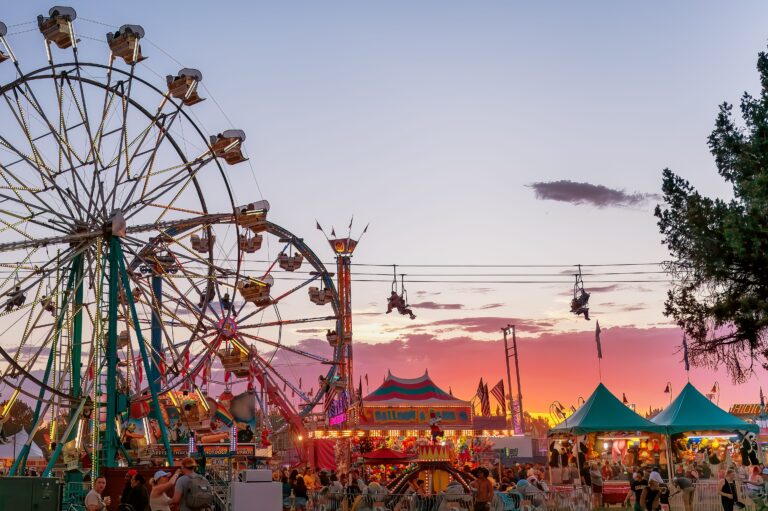
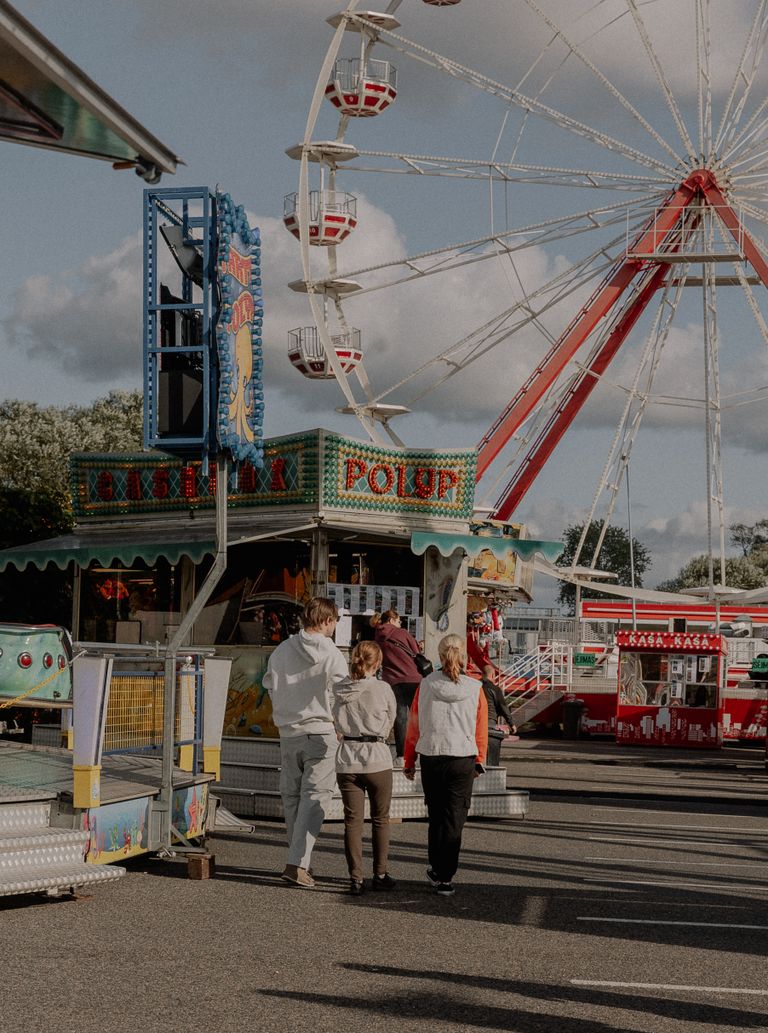
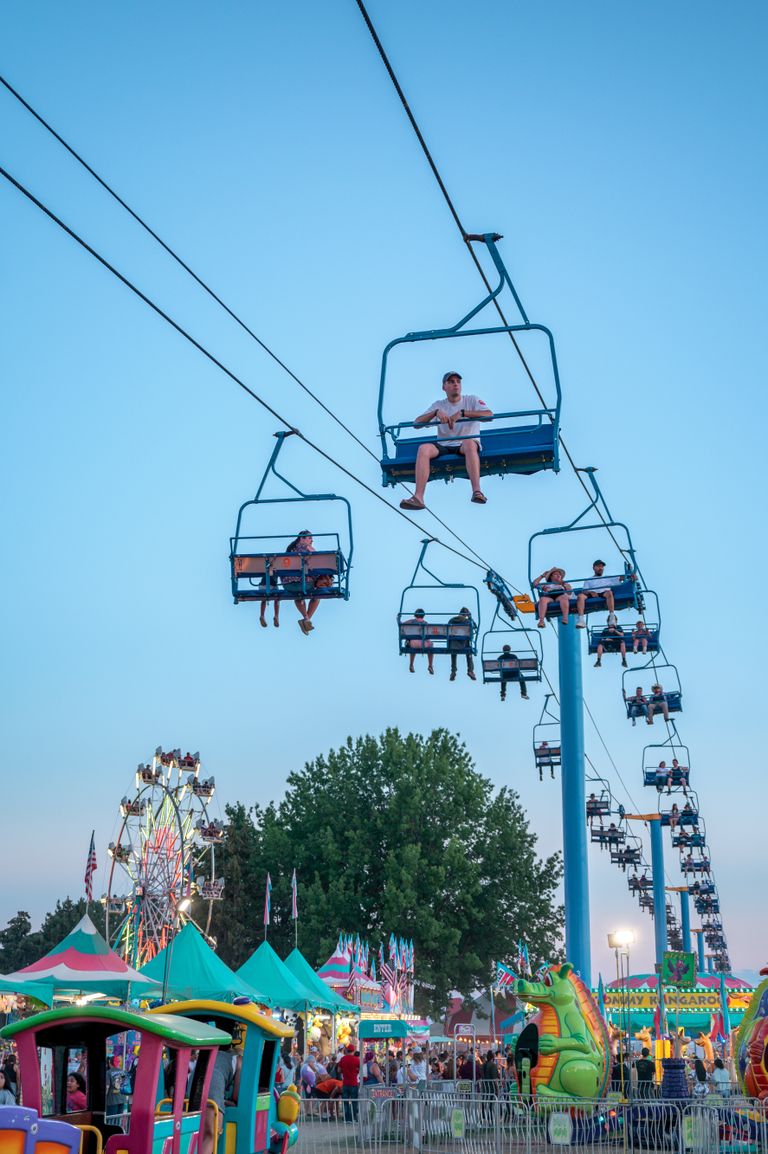
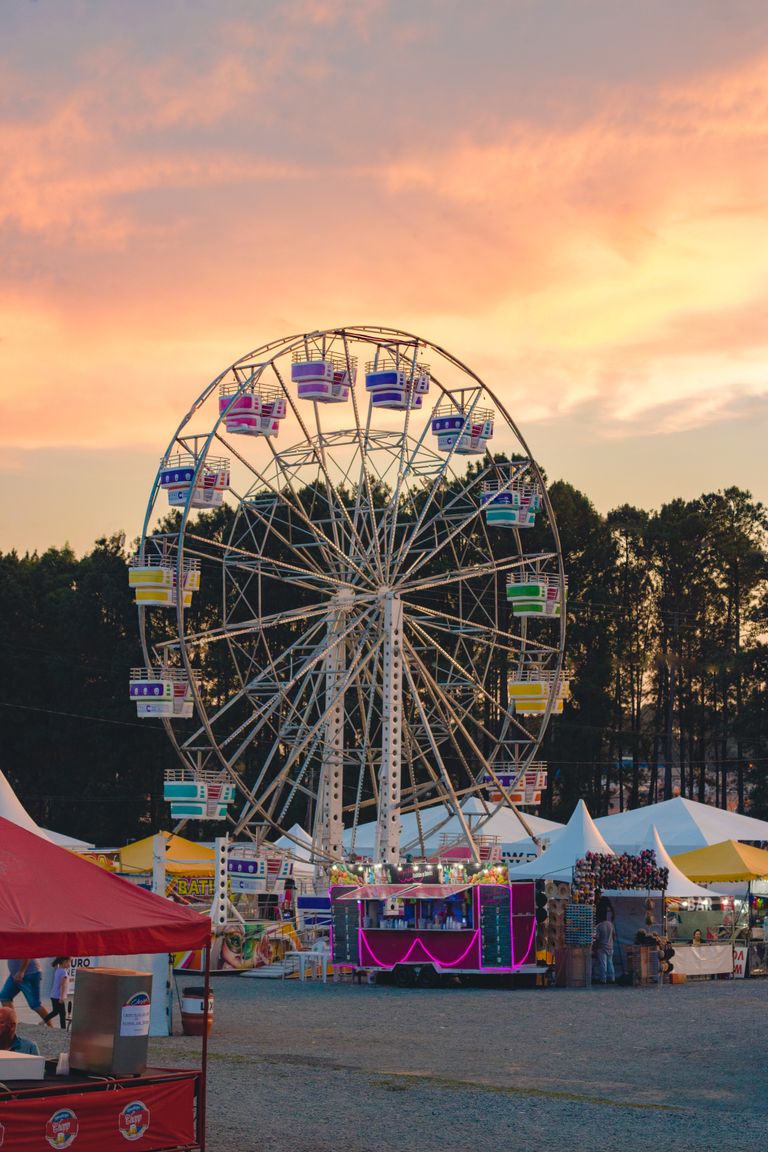
Traveling carnival rides, midway wristbands, food vendors, and grandstand entertainment can be important considerations for visitors, but the available official material does not establish a fixed ride count, standard wristband price, or guaranteed vendor lineup for every year.
The 2026 fair rules document a demolition derby, giving visitors a confirmed example of the type of grandstand event associated with the fair. Other entertainment should be checked against the schedule for the year of the visit.
Explore Coffey County Kansas Fairgrounds Events for information about county fairs agricultural displays livestock exhibitions and community activities. Visitors can also check Cloud County Kansas Fairgrounds Events for more information about Kansas fairgrounds.
Visitors should also confirm gate admission, parking charges, advance ticket arrangements, and any discounts for children or seniors before leaving home. These details should not be inferred from another Kansas county fair’s policies.
Facilities and Grounds
Kelley Park provides the setting for the Coffey County Fair’s agricultural and community activities. The fairbook identifies livestock barns, designated animal areas, exhibition activities, and spaces used for judging and other scheduled events.
Livestock and exhibition areas
The fair’s livestock facilities accommodate animals entered in designated classes. The rules specify separate management requirements for species and explain when animals must be checked in, weighed, housed, and kept on display. In 2026, the published schedule required livestock to be in the barns by 5 p.m. on Wednesday, July 22, with check-in and weigh-in beginning that evening. Those instructions apply to that year’s fair and should not be reused as a future schedule.
Static exhibits and project judging also require organized display and building arrangements. Exhibitors should consult the current fairbook for department locations, entry procedures, building-watch requirements, and exhibit pickup times.
Parking, accessibility, and visitor amenities
The exact parking capacity, accessible parking locations, camping provisions, accessible restroom arrangements, and availability of ATMs or first-aid stations have not been confirmed in the published information reviewed for this article. Visitors who need accessible routes or specific facilities should contact the fair office before arrival.
Because Kelley Park is in Burlington, visitors can plan to reach the area by road and then follow event-day signs and directions. Any temporary parking restrictions or overflow arrangements should be checked closer to fair week.

Vendor and Exhibitor Information
Commercial vendors
Businesses, food vendors, artisans, and organizations interested in setting up at Coffey County Fairgrounds should ask the fair office whether commercial spaces are available for the relevant event. Vendor availability, fees, insurance requirements, electricity access, setup hours, and application deadlines need confirmation for each fair season.
A vendor should not assume that a booth is reserved simply because the annual fair is scheduled. Space allocation and approval are matters for the event organizers.
Competitive exhibits
People interested in entering exhibits should begin with the current Coffey County Fairbook. It contains department rules, class information, deadlines, and requirements for youth and open-class participation.
The 2026 entry system used FairEntry for online submissions. Official instructions required exhibitors to use their existing 4-H Online credentials where applicable. Deadlines varied by project: the published 2026 schedule included June 29 for designated youth entries, including livestock and demonstrations, and July 13 for other static 4-H/FFA exhibits. These are historical 2026 deadlines, not confirmed dates for 2027.
Getting to Coffey County Fairgrounds
The fairgrounds are in Kelley Park in Burlington, Kansas, ZIP code 66839. Burlington is the county seat and is accessible via U.S. Highway 75 and Interstate 35. Coffey County’s official community information places Burlington about 16 miles south of Beto Junction, where I-35 and U.S. 75 meet.
Driving directions
- From central Burlington: Head toward Kelley Park and the fair office area. Confirm the entrance and parking arrangements for the particular event.
- From Beto Junction: Travel south toward Burlington using the U.S. 75 corridor.
- From Topeka: Travel south toward the Burlington area using the appropriate highway route and current navigation directions.
- From other Coffey County communities: Plan a route into Burlington and check event-day notices for any entrance or parking changes.
Public transportation, dedicated fair shuttles, and official rideshare pickup points have not been verified. Visitors using a rideshare service should arrange a convenient drop-off and pickup point with their driver and follow any temporary traffic instructions.
4-H and FFA at Coffey County Fairgrounds
Youth development is central to the Coffey County Fair. K-State Research and Extension, Coffey County, coordinates 4-H educational activities and works within Kansas 4-H policies. FFA members are also included in designated youth competition categories under the fair rules.
Preparing projects and animals
Young exhibitors must enroll in the appropriate projects, meet identification requirements, and submit entries before the relevant deadlines. The fairbook outlines classes and requirements for livestock, demonstrations, fashion-related projects, crops, photography, and other exhibits.
Families should pay particular attention to animal identification dates, health rules, initial weigh-ins, and housing declarations. Requirements can differ by species, so relying on a previous year’s checklist may lead to a missed deadline or an ineligible entry.
The junior livestock premium auction
The 4-H/FFA premium auction gives eligible young exhibitors an opportunity to receive recognition and financial support for their projects. Under the published rules, participation in the auction has requirements beyond simply exhibiting an animal: eligible 4-H members must attend and participate in at least six community club meetings during the specified period.
The fairbook explains that open-class animals are not eligible for the 4-H/FFA premium livestock sale. Families should read the current rules to understand eligibility, sale procedures, and how the auction works before entering an animal.
Special Events Beyond the Annual Fair
Coffey County Fairgrounds are best known for the annual fair and its livestock, educational, and grandstand programs. The documented demolition derby is one example of entertainment that adds to the agricultural program.
Other activities sometimes associated with fairgrounds elsewhere—such as gun shows, motocross, flea markets, rodeos, holiday markets, and touring concerts—should not be treated as confirmed Coffey County events without an announcement from the organizers.
Community groups considering a fundraiser or gathering can ask the fair office about facility use and any scheduling, safety, insurance, or rental conditions.
History of Coffey County Fairgrounds
The history of the Coffey County Fair reaches back to the county’s early agricultural community. The Coffey County Agricultural and Mechanical Fair Association was established on November 27, 1880. The first fair was held on September 20, 1881, and a historical marker records the event’s early purpose and community support.
The fair’s long history reflects the importance of farming, livestock, practical skills, and youth education in Coffey County. Over time, organized 4-H and FFA competitions added structured learning opportunities to the traditional agricultural fair.
The 2026 event was identified as the 146th year of the Coffey County Fair. That anniversary reflects a tradition spanning more than a century, although it does not by itself establish that every year had an uninterrupted event under identical conditions. Specific cancellation records, attendance records, and individual historical milestones should be verified with local historical records before being stated as fact.
Frequently Asked Questions
When is the Coffey County County Fair in 2027?
The Coffey County Fair traditionally takes place during the summer. The official 2027 dates should be confirmed through the Coffey County Fair Board or K-State Research and Extension, Coffey County, before making travel plans.
What time does Coffey County Fairgrounds open?
Opening times depend on the event and its schedule. Livestock check-in, exhibit judging, and public admission can have different start times, so visitors should check the current daily program.
Is there camping at Coffey County Fairgrounds?
Camping and RV availability have not been confirmed in the current information reviewed. Contact the fair office to ask about on-site camping, hookups, reservations, and nearby alternatives.
How do I enter livestock in the Coffey County County Fair?
Eligible exhibitors should review the current fairbook, complete the required animal identification and online entry steps, and meet all applicable deadlines. The 2026 fair used FairEntry for online registration and required eligible 4-H families to use their existing 4-H Online credentials.
Are dogs allowed at Coffey County Fairgrounds?
The fair’s youth competition rules include dog classes, but that does not establish the public pet policy. Contact the organizers to confirm whether visitors may bring pets and whether leash, vaccination, or restricted-area rules apply.
Where do I park at Coffey County Fairgrounds?
The grounds are in Kelley Park in Burlington. Follow current event signage and any instructions from fair officials. Confirm accessible parking and overflow arrangements in advance if you have specific parking needs.
Who do I contact to rent Coffey County Fairgrounds?
Start with the Coffey County Fair Board at the fair office in Kelley Park. Ask about facility availability, rental fees, permitted uses, insurance requirements, and booking procedures.
How much does it cost to get into the Coffey County County Fair?
Admission prices and any discounts vary by event and year. A verified current general-admission price was not established in the available information, so check the official fair schedule before visiting.
What livestock can exhibitors show at the Coffey County Fair?
The published fair program includes beef and dairy cattle, swine, sheep, goats, horses, poultry, rabbits, and other designated animal classes. Eligibility and class requirements depend on the current fairbook.
How can I find the Coffey County Fair schedule?
Check the Coffey County Fair information maintained by K-State Research and Extension, Coffey County. The office can also assist with entry questions, deadlines, and current program details.
Where is the Coffey County Fair office located?
The fair office is at Kelley Park in Burlington, Kansas. For extension and youth-program questions, contact K-State Research and Extension, Coffey County, at 620-364-5313. Its published office address is 225 Cross Street, Burlington, KS 66839.
One Comment