Iowa County Iowa Fairgrounds Events
The Iowa County Fairgrounds are located at 800 East Marion Street, Marengo, Iowa 52301, on the eastern edge of Marengo. The grounds host the Iowa County 4-H and FFA Fair, bringing together young livestock exhibitors, agricultural families, local organizations, and visitors from across the county.
The fairgrounds are arranged around several exhibition and livestock buildings, outdoor animal facilities, horse areas, parking spaces, and gathering areas. The layout supports both indoor exhibits and outdoor competitions, allowing agricultural displays and youth projects to operate alongside the fair’s public activities.
The site includes Zentmire Hall, the White Building, a main show barn, a swine barn, horse facilities, poultry and rabbit facilities, smaller livestock barns, a pavilion, and camping areas. Each serves a different purpose during fair week, from displaying educational projects to housing animals and conducting judging competitions.
The Iowa County Fair Board oversees the fair’s operations and works with local agricultural and youth organizations. Iowa State University Extension and Outreach in Iowa County is an important resource for 4-H programming and youth project information.
For local residents, the fair is more than a summer attraction. It gives young people an opportunity to present projects developed over months of work, allows families to learn about agricultural production, and provides community groups with opportunities to participate in a shared county event.
Upcoming Events at Iowa County Fairgrounds

The main annual event is the Iowa County 4-H and FFA Fair, generally held in July. Its schedule centers on youth projects, livestock exhibitions, educational displays, and activities organized around the fair’s official program.
Types of Events
Visitors can expect the fair program to focus on activities such as:
- 4-H and FFA livestock exhibitions and judging.
- Beef, dairy cattle, swine, sheep, and goat shows.
- Rabbit and poultry exhibits.
- Horse activities and equestrian competitions.
- Youth project displays, demonstrations, and educational exhibits.
- Open-class entries and other approved competitive displays.
- Community food stands and fundraising activities.
The exact program changes from year to year. Rodeos, demolition derbies, tractor pulls, concerts, flea markets, gun shows, and motocross events should not be assumed to take place at the Iowa County fairgrounds unless they appear in a confirmed schedule.
How to Find Upcoming Events
For the next Iowa County fair, check the official fair schedule and the current fairbook. These typically provide the most useful details about judging times, exhibit rules, livestock check-in, entertainment, admissions, and special activities.
The fair board is also the appropriate point of contact for questions about facility rentals, vendor space, camping, and activities outside the annual fair.
Facility Rentals and Private Events
The grounds contain multiple buildings and outdoor spaces that may suit organized gatherings, agricultural activities, or other approved uses. Availability, rental fees, permitted activities, and insurance requirements should be confirmed with the fair board before making arrangements.
The Iowa County Fair

2027 Fair Dates: July Dates to Be Confirmed
The Iowa County 4-H and FFA Fair is traditionally a summer event, with the 2026 fair listed for July 8–12, 2026. As of October 2026, visitors planning for 2027 should confirm the new dates and daily schedule with the fair organizers rather than assume the previous year’s dates will repeat.
Livestock Shows and Competitive Exhibits
Livestock judging is a major part of the fair’s educational program. Young exhibitors prepare animals, learn showmanship, and demonstrate their knowledge of animal care, feeding, health, and management. Species represented in the grounds’ facilities include cattle, swine, sheep, goats, horses, rabbits, and poultry.
Competitive exhibits also give participants opportunities to display work beyond livestock. Depending on the current fairbook, entries may include crafts, photography, food preparation, sewing, gardening, woodworking, and other educational projects.
Each category has its own eligibility rules, check-in requirements, judging arrangements, and deadlines. Exhibitors should consult the relevant year’s fairbook instead of relying on an older entry form.
Discover Iowa County Iowa Fairgrounds Events for updates about fair schedules agricultural exhibitions livestock shows and community activities. Visitors can also explore Ida County Iowa Fairgrounds Events to learn about more Iowa fairgrounds.
Carnival Rides, Food, and Entertainment
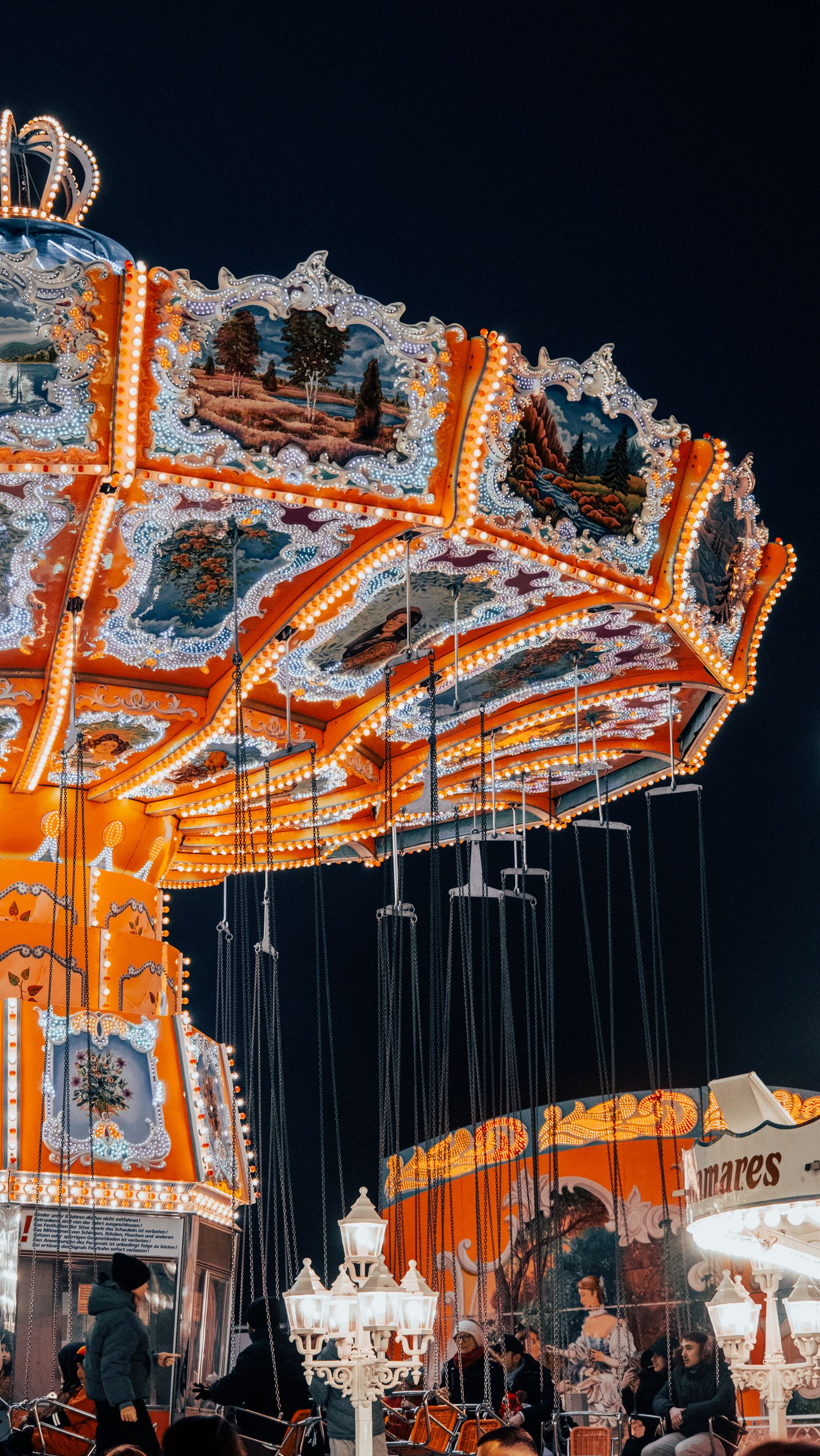
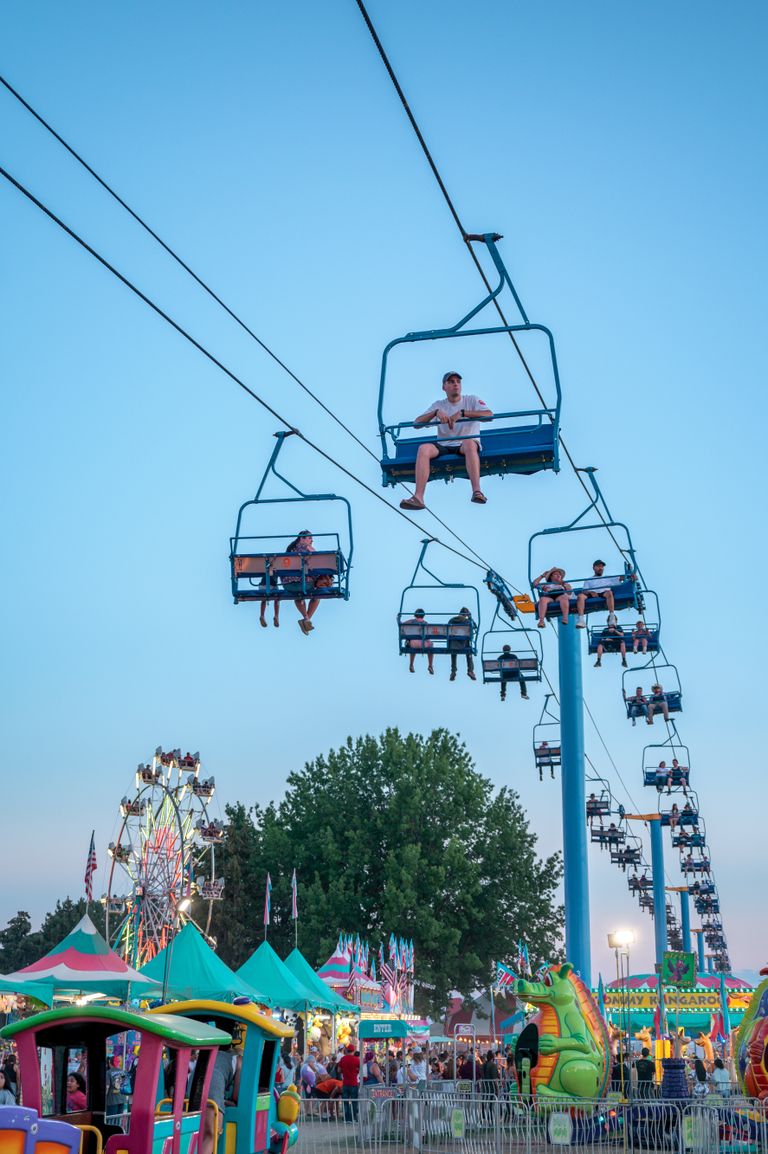
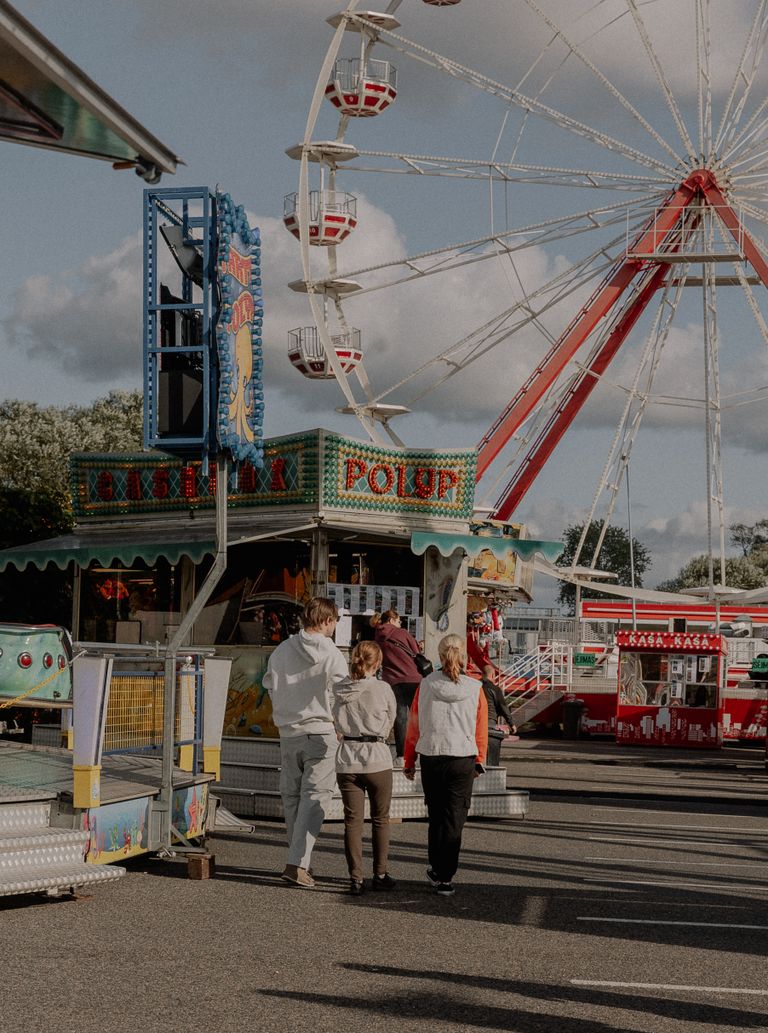
Carnival rides, midway attractions, grandstand entertainment, and food concessions can vary between fair years. Visitors should check the published schedule to determine which attractions are planned, whether ride wristbands are available, and whether individual activities require additional payment.
Food options at a county fair commonly include meals, snacks, and refreshments sold by concession operators or community organizations. The exact vendors and menus at the Iowa County fair should be verified for the year of the visit.
Admission and Parking
Admission prices, parking arrangements, special admission days, and policies for children or seniors should be checked against the current fair announcements. Do not assume that admission or parking is free simply because the grounds host youth and agricultural events.
Facilities and Grounds

The fairgrounds have separate facilities for livestock, horse activities, indoor exhibits, and public gathering spaces. This arrangement helps keep animal care and judging areas distinct from the buildings used for displaying projects.
Exhibition Buildings and Livestock Barns
The principal facilities include:
- Zentmire Hall: Used for 4-H and FFA displays, open-class exhibits, and fair administration.
- White Building: Provides additional exhibit space and serves fair-related youth programming.
- Main show barn: Accommodates cattle and other designated livestock exhibits, with a show ring.
- Swine barn: Provides dedicated space for pig exhibits.
- Horse barn and arena: Support horse-related activities and equestrian events.
- Rabbit and poultry barn: Houses small-animal exhibits.
- Pee Wee livestock barns: Provide facilities associated with younger exhibitors and smaller livestock activities.
- Pavilion and outdoor areas: Support gathering and other scheduled activities.
The exact number of stalls available, rental procedures, and access restrictions depend on the event and fair regulations. Livestock exhibitors should confirm arrival times, animal health requirements, stall assignments, bedding arrangements, and cleanup responsibilities in advance.
Camping, Parking, and Accessibility
Camping facilities are identified on the grounds’ layout, but visitors should confirm whether sites are available for general campers, what hookups are provided, and whether reservations are required.
Parking is available in designated areas around the fairgrounds. Fair-related parking may also use grassy spaces along Marion Street and near the South Street entrance, depending on the arrangements for a particular event. Drivers should follow posted signs and instructions from parking attendants rather than block livestock loading or emergency access.
The availability of accessible parking, paved routes, and accessible restrooms should be confirmed with the fair board when planning a visit that requires specific accommodations. Visitors who need wheelchair access or other assistance should ask about the route between parking, exhibition buildings, and the show areas.
Food concessions may operate during the fair, but the location and hours of first aid, ATMs, water stations, and other amenities should be checked against the current grounds map.
Vendor and Exhibitor Information
Iowa County Fairgrounds offer opportunities for agricultural exhibitors, youth participants, and community organizations to take part in the annual fair. Commercial vendors should contact the fair organizers before planning a booth or selling products on the grounds.
Applying for a Vendor Booth
Vendors should ask the fair board about available locations, rental charges, operating hours, electrical access, insurance requirements, setup periods, and rules for food preparation or product sales.
A request for space does not automatically guarantee acceptance. Some locations may be reserved for food concessions, sponsors, returning vendors, or fair-related organizations.
Entering Competitive Exhibits
Anyone planning to enter a competitive exhibit should obtain the current fairbook. It explains the relevant classes, eligibility requirements, entry process, judging standards, and deadlines.
Livestock exhibitors should pay particular attention to animal identification, health documentation, check-in times, weight requirements where applicable, and showmanship rules. People entering non-livestock exhibits should verify delivery dates, labeling requirements, display arrangements, and pickup times.
Because deadlines and rules may change each year, an old fairbook should not be treated as the current year’s official guidance.
Getting to Iowa County Fairgrounds
The fairgrounds are on the eastern edge of Marengo, the county seat of Iowa County, Iowa.
Driving Directions
From central Marengo, head toward East Marion Street and follow local signs for the fairgrounds. The grounds are reached from the eastern side of town, with access arrangements varying according to parking and fair operations.
Visitors traveling from Iowa City or Cedar Rapids can use the regional highway network toward Marengo, then follow local roads to East Marion Street. Interstate 80 also crosses Iowa County, providing regional access, although the appropriate exit and final route depend on the direction of travel.
Allow extra time during livestock check-in, popular evening events, and busy fair days. Large vehicles transporting livestock should use the designated entrance and loading areas rather than follow general visitor parking directions.
Public Transportation and Rideshare
Visitors should not assume that a dedicated shuttle or regular public transportation service operates to the fairgrounds. Confirm any special transportation arrangements with the organizers before traveling.
For rideshare drop-offs, use the designated entrance or a safe location identified by event staff. Avoid stopping in livestock unloading areas, driveways, or emergency lanes.
4-H and FFA at Iowa County Fairgrounds
The Iowa County 4-H and FFA Fair provides young people with an opportunity to demonstrate practical skills, share projects, and receive feedback from judges. These programs connect classroom learning with agriculture, science, communication, responsibility, and community involvement.
The Role of 4-H and the Extension Office
Iowa State University Extension and Outreach in Iowa County can provide guidance about local 4-H enrollment, club participation, project requirements, and fair-related youth programming. Families should contact the county office for current club listings and deadlines.
The number of active clubs and participating members can change, so an exact current count should be confirmed rather than estimated.
FFA Participation and Youth Livestock Sales
FFA participation depends on local chapter involvement and the fair’s published rules. Students and families should confirm which projects, divisions, and activities are included in the current program.
Where a junior livestock auction is scheduled, exhibitors present eligible animals or projects to potential buyers. Buyers may include local businesses, agricultural producers, families, and community supporters. The auction’s timing, bidding requirements, payment arrangements, and distribution of proceeds depend on the official rules.
Families should verify how the auction handles animal ownership, resale arrangements, processing, and any deductions or expenses before participating.
Special Events Beyond the Annual Fair
The annual fair is the principal event associated with Iowa County Fairgrounds, but the facilities may also accommodate approved activities at other times of year.
Possible uses include agricultural meetings, youth activities, community gatherings, private rentals, and seasonal storage arrangements. The availability of a particular building or outdoor area depends on the calendar and rental policies.
Gun shows, flea markets, swap meets, rodeos, demolition derbies, ATV competitions, and touring concerts should not be advertised as regular Iowa County fairground events without confirmation from the organizers. Visitors interested in a particular activity should ask whether it is scheduled and whether separate admission or registration is required.
History of Iowa County Fairgrounds
The fairgrounds’ history is closely connected to the agricultural and educational traditions of Iowa County, Iowa. The county was organized in the 1840s, and Marengo became its county seat. Farming has long played an important role in the surrounding communities, creating a natural setting for agricultural education and youth livestock programs.
The present fairground facilities support a range of activities that extend beyond simply exhibiting animals. Buildings for projects, livestock barns, horse facilities, and gathering spaces allow several parts of the fair program to take place during the same week.
The fair’s 4-H and FFA focus also reflects the importance of youth development in rural Iowa. Preparing a project for public judging requires planning, recordkeeping, practical skills, and the ability to explain decisions to others.
A precise establishment date for the current fairgrounds, a verified year-by-year attendance record, and details of historical cancellations should be confirmed through the fair board or county historical records. Without reliable documentation, it would be misleading to assign a founding year or claim a particular attendance record.
Frequently Asked Questions
When is the Iowa County Fair in 2027?
The 2027 dates should be confirmed with the Iowa County Fair Board. The 2026 Iowa County 4-H and FFA Fair ran from July 8–12, but the dates may change from year to year.
What time do the Iowa County Fairgrounds open?
Opening times depend on the day, event, and activity. Livestock check-in, exhibit judging, and public admission may have different schedules. Check the current daily program before arriving.
Is there camping at Iowa County Fairgrounds?
Camping areas are identified on the fairgrounds layout. Contact the organizers to confirm availability, reservations, hookups, fees, and any restrictions for the dates you plan to visit.
How do I enter livestock in the Iowa County Fair?
Obtain the current fairbook and follow its entry procedures. Confirm eligibility, registration deadlines, animal identification and health requirements, check-in times, and the rules for your particular livestock class.
Are dogs allowed at Iowa County Fairgrounds?
Do not assume that pets are permitted throughout the grounds. Check the current fair rules for pet restrictions, leash requirements, service-animal arrangements, and access to livestock buildings.
Where do I park at Iowa County Fairgrounds?
Visitor parking is arranged in designated areas around the grounds. Parking may also be directed to grassy areas near Marion Street and the South Street entrance, depending on event conditions. Follow signs and instructions from event staff.
Who do I contact to rent Iowa County Fairgrounds?
Contact the Iowa County Fair Board to ask about building and grounds rentals, availability, fees, permitted uses, and booking requirements. Rental arrangements should be confirmed before advertising or organizing an event.
How much does it cost to get into the Iowa County Fair?
Admission prices can vary by year, age group, and scheduled activity. Check the current fair announcements for general admission, special-event tickets, parking fees, and any available passes or discounts.
What livestock can visitors see at the fair?
The grounds include facilities for cattle, swine, horses, rabbits, and poultry, as well as other livestock categories such as sheep and goats. The official schedule identifies which animals are exhibited on particular days.
Can I sell products at Iowa County Fairgrounds?
Potential vendors should contact the fair organizers about booth availability, fees, insurance, setup requirements, and product restrictions. Approval and space availability should be confirmed before making arrangements.
Where can I find the Iowa County Fair schedule?
The fair’s official announcements, current fairbook, and Iowa State University Extension and Outreach in Iowa County are useful starting points. Check the latest published schedule for confirmed dates, judging times, entertainment, and visitor arrangements.
One Comment