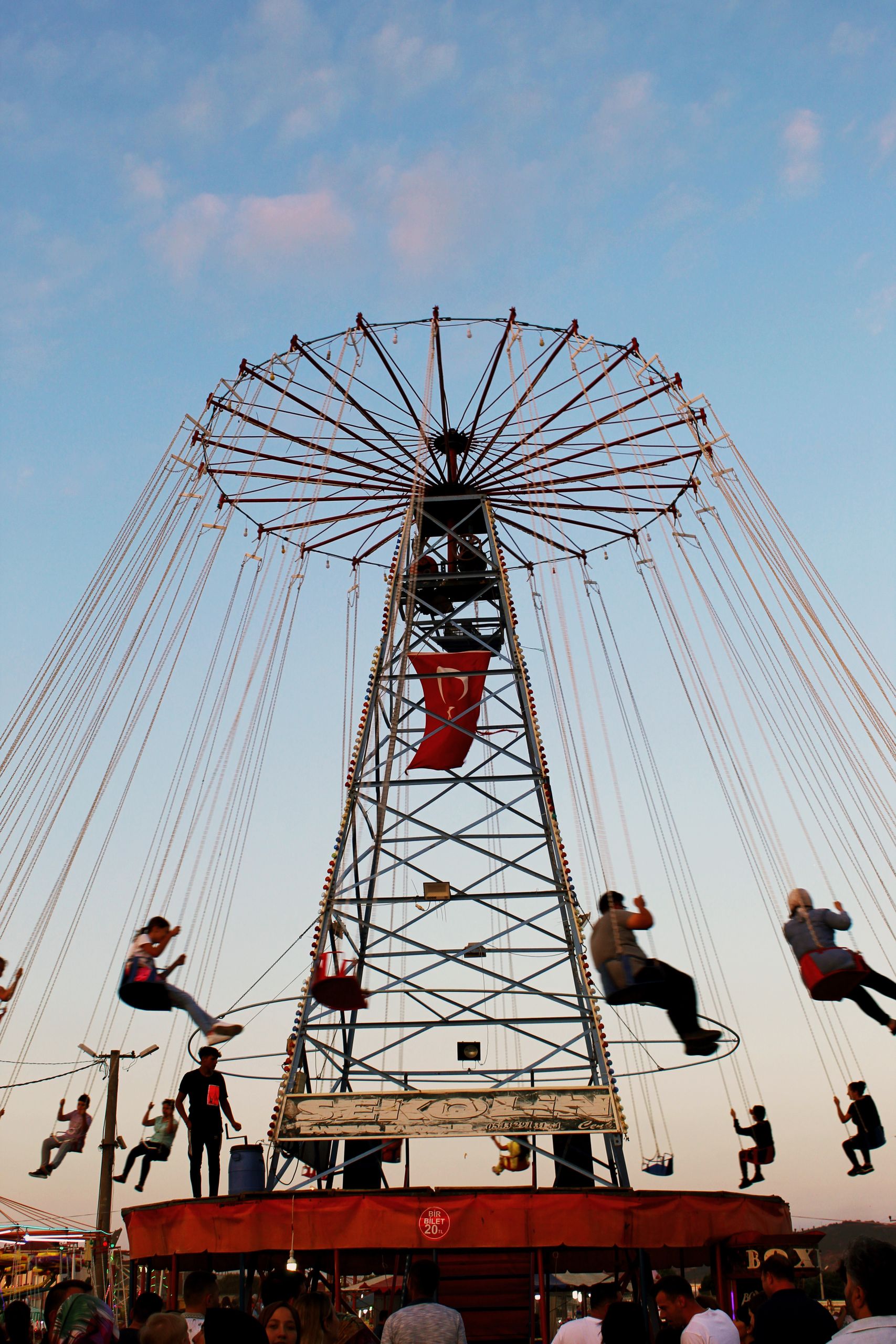
Audubon County Iowa Fairgrounds Events
The Audubon County Fairgrounds serve as a gathering place for agricultural education, youth achievement, livestock exhibitions, and community activities in Audubon, Iowa. The grounds are located at 400 North Division Street West, Audubon, IA 50025, within Audubon County in western Iowa. The fairgrounds are best known for hosting the annual Audubon County Fair, where 4-H members, families, livestock exhibitors, vendors, and visitors come together during the summer.
The fair board oversees fairground activities, while Iowa State University Extension and Outreach in Audubon County plays an important role in coordinating youth development and educational exhibits. The facilities accommodate both the annual fair and selected community or private functions throughout the year.
The grounds have separate buildings for livestock, static exhibits, commercial displays, and indoor activities. Their layout reflects the practical needs of an agricultural county: animals require dedicated barns and show spaces, while 4-H projects and open-class exhibits need indoor areas where visitors can examine entries.
For Audubon County residents, the fair is more than a summer outing. It provides young people with an opportunity to present the results of months of work, gives local organizations a place to raise funds, and keeps agricultural traditions visible to residents of Audubon, Exira, and surrounding rural communities.
Upcoming Events at Audubon County Fairgrounds

The main annual attraction is the Audubon County Fair, traditionally held in July. Activities center on 4-H and FFA projects, livestock shows, open-class exhibits, family entertainment, and community participation.
The grounds also support events that use individual buildings or outdoor facilities. Agri-Hall, livestock barns, horse facilities, and the outdoor track serve different purposes, allowing the site to accommodate a variety of activities when scheduled by the fair board.
Events visitors may find
- Livestock shows and youth animal exhibitions.
- 4-H static exhibits and open-class displays.
- Horse activities and roping in the arena.
- Tractor pulls, figure-eight racing, and other motor-related entertainment when included in the program.
- Children’s contests and family activities.
- Commercial booths, food stands, and community fundraising activities.
- Private gatherings or meetings in available rental spaces.
Not every event takes place every year. Visitors should confirm the schedule before travelling, particularly for motorsports, horse events, and activities outside fair week.
For the latest announcements, consult the fair board’s current notices and the Audubon County Extension office. The fair’s published schedule and exhibitor information are the best sources for confirmed dates, show times, admission details, and changes caused by weather.
The Audubon County Fair
Typical Fair Week: July
The Audubon County Fair is a July event. The published 2026 dates were July 14–19, 2026. Those dates have passed, and the 2027 schedule should not be assumed until the fair organizers announce it.

Livestock competitions and exhibits
Livestock judging is a major part of the fair’s educational program. Dedicated facilities accommodate beef cattle, swine, sheep, goats, poultry, rabbits, and other animal projects. The grounds include a swine barn with more than 50 pens, a livestock pavilion with space for over 30 stalled cattle, a separate pen-of-three barn, and dedicated sheep and goat facilities.
The poultry and rabbit areas provide space for smaller animals, while the horse barns and arena serve equine activities. Exact judging categories and show times vary by the annual fair book.
Young exhibitors also prepare non-livestock projects. The 4-H building accommodates static exhibits, and Agri-Hall hosts open-class entries and commercial booths. Depending on the published program, visitors may encounter photography, crafts, sewing, food preparation, gardening, and other practical projects.
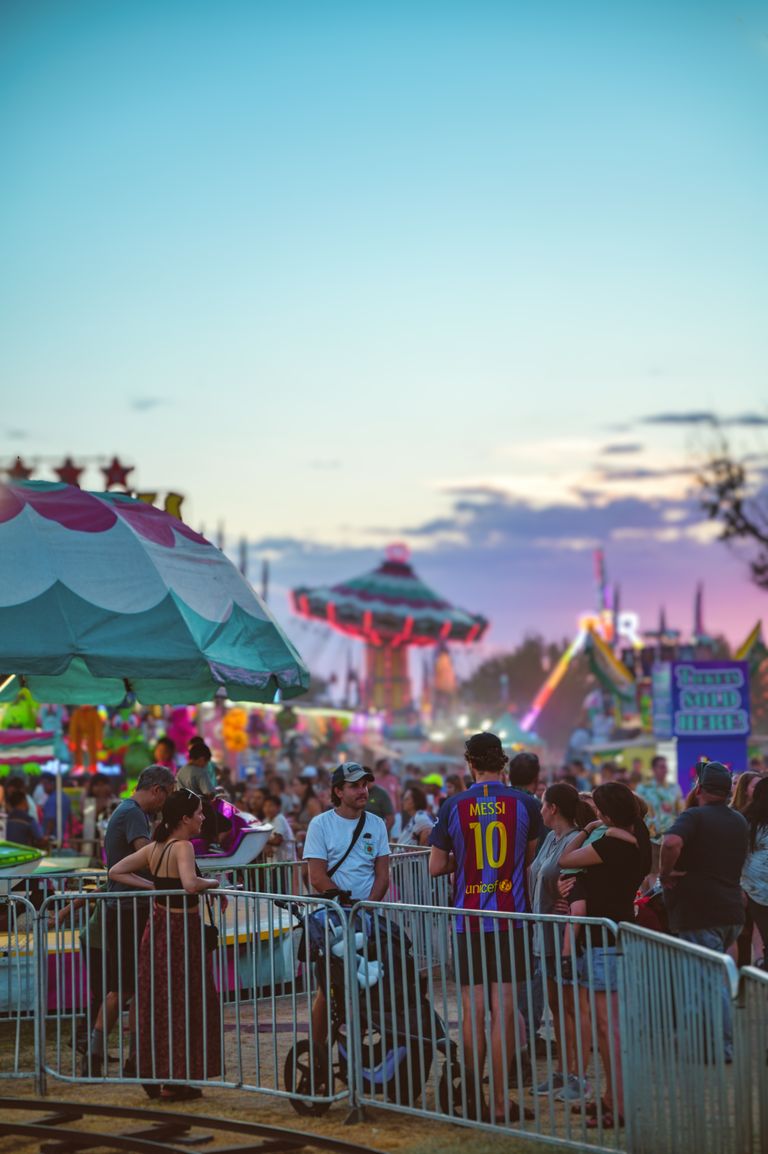
Carnival, food, and entertainment
The fair’s entertainment program can include children’s activities, contests, livestock events, and grandstand or track attractions. Past fair programming has included figure-eight races, minivan races, a rodeo, cornhole, a youth pedal pull, inflatables, and other family activities.
The grounds have a concession stand and spaces used by local groups for food service. Community food stands are also an important way for participating organizations to raise funds. The exact food vendors, carnival arrangements, ride offerings, wristband deals, and evening entertainment depend on the year’s schedule.
A travelling carnival, a particular number of rides, or a specific concert should not be treated as confirmed unless it appears in the current fair program.
Admission and parking
Visitors should check the annual fair information for current gate admission, parking arrangements, special-event charges, and any free-admission periods. Exact prices and age-based discounts cannot be assumed from one year to the next.
For the busiest livestock shows and evening entertainment, arriving early is a sensible way to allow time for parking and walking between buildings. Visitors attending with young children should check the schedule for the locations and starting times of family activities.
Facilities and Grounds
The fairgrounds contain several purpose-built facilities rather than one large exhibition hall. Each supports a different part of the county fair.
Explore Audubon County Iowa Fairgrounds Events for details about county fair activities livestock shows agricultural displays and family entertainment. Visitors can also visit Appanoose County Iowa Fairgrounds Events to discover more local fairground information.
Main buildings and their uses
- Agri-Hall: An air-conditioned building with a kitchen, updated bathrooms, commercial booth space, open-class exhibits, and an administrative office. It is also available for certain off-season rentals.
- 4-H building: Houses youth static exhibits and the Extension staff office. Garden plots around the building are maintained as 4-H projects.
- Swine barn: Features more than 50 pens, concrete alleys, and a loading dock near the show ring.
- Livestock pavilion: Provides cattle stalls and an indoor show ring.
- Pen-of-three barn: Used for pen-of-three beef projects and associated weighing facilities.
- Sheep and goat barn: Provides animal housing and washing facilities.
- Poultry and rabbit buildings: Accommodate smaller livestock and poultry exhibits, with additional outdoor cages for certain birds.
- Horse facilities: Include two walk-through barns, a sand-surfaced pipe-gate arena, wash stalls, and showers.
- Antiques building: Houses open-class antiques and a historic fire wagon.
- Hoop building: Used for activities such as children’s contests, pet and dog shows, pie competitions, exhibitor meals, and bingo.
- Grandstand and track: Used for selected entertainment, including figure-eight racing and tractor-pull events.
Camping, accessibility, and visitor amenities
The horse facilities include indoor showers, but visitors should confirm whether overnight camping or RV hookups are available for their intended dates. Stall reservations and camping arrangements should not be assumed to be included with an event entry.
The grounds have public restrooms, including a facility on the east side, and concession space. The available information does not establish a complete inventory of ADA parking, accessible routes, first-aid services, ATMs, or total parking capacity. Visitors who need step-free access or specific accommodations should confirm these details with the fair board before arrival.
Parking locations, temporary traffic arrangements, and overflow areas may change during the busiest days of the fair.
Vendor and Exhibitor Information
Audubon County Fairgrounds provide opportunities for commercial exhibitors as well as individuals entering competitive exhibits. Agri-Hall is the main indoor location for open-class displays and commercial booths, and outdoor booth space may also be offered.
Applying for a vendor booth
Prospective vendors should request the current year’s booth application and confirm:
- Whether indoor, outdoor, or food-booth spaces are available.
- Booth dimensions, setup hours, and removal deadlines.
- Fees, insurance requirements, and payment procedures.
- Electrical access, food-service rules, and any equipment restrictions.
A previous booth application listed separate fees for single and double indoor booths, outdoor booths, and food booths using the Agri-Hall kitchen. Those historical rates should not be used as current prices; vendors need the applicable year’s form.
Entering exhibits
Competitive exhibitors should obtain the current fair book or open-class book before preparing an entry. These documents explain eligible categories, entry requirements, check-in times, judging arrangements, and exhibit release procedures.
Livestock exhibitors may need identification records, health documentation, and other paperwork before animals can be checked in. Static exhibitors should prepare entry cards and labels in advance when required.
For fairground rental or booth questions, the fair board can be contacted at 712-563-4467. The published fair contact email is [email protected].
Getting to Audubon County Fairgrounds
The fairgrounds are in the city of Audubon at 400 North Division Street West. Visitors travelling from within Audubon can navigate to North Division Street and follow local signs or event-day directions.
From Exira and other communities in Audubon County, drivers can use the connecting county and state roads leading toward Audubon. Visitors coming from larger western Iowa communities should plan a route to Audubon before leaving and check local traffic instructions if arriving during a major fair event.
The precise best route depends on the starting point. Confirm the street address before travelling because individual facilities, including Agri-Hall, may appear under a slightly different street number in local directories.
There is no confirmed regular public-transit or fair-week shuttle service in the available information. Rideshare availability may be limited in a rural community, so visitors should arrange a return journey in advance if they are not driving. During large events, follow posted signs and directions from parking attendants rather than assuming the normal approach will remain open.
4-H and FFA at Audubon County Fairgrounds
The fair is an important showcase for youth development in Audubon County. Iowa State University Extension and Outreach coordinates the county’s 4-H programming and helps organize educational activities, project exhibits, and livestock-related requirements.
The county has several established 4-H clubs, including C.D. Starlighters, Bunkhouse Gang, Exira Explorers, Leroy Leaders, Tip Top, and Clover Kids. The county’s 4-H program has a long history: documented youth agricultural project activity dates to at least 1918, and organized baby-beef and sheep clubs followed in 1924.
FFA participation also forms part of the local agricultural education community. Audubon FFA and Exira-EHK FFA are among the chapters associated with local youth agricultural activities.
Livestock sales and youth projects
Junior livestock sales give exhibitors a chance to present animals they have raised and managed, while buyers support youth development and agricultural education. Specific sale times, eligible projects, bidding procedures, and payment or processing arrangements are set out in the annual fair book.
The fair program also includes activities beyond livestock. Youth may exhibit photography, gardening, woodworking, food projects, clothing, and other practical skills. These entries give visitors a broader view of 4-H than the livestock barns alone.
The Extension office is located at 608 Market Street in Audubon and can answer questions about joining 4-H, project deadlines, and the process for participating in the county fair.
Special Events Beyond the Annual Fair
The fairgrounds’ mix of indoor buildings, animal facilities, horse arena, and outdoor track makes them useful for more than the annual July gathering.
Past programming has included rodeo activities, figure-eight racing, minivan races, tractor pulls, children’s competitions, and community food fundraisers. The hoop building can accommodate smaller indoor activities, while Agri-Hall offers a practical setting for selected meetings and private functions.
Not every activity is a recurring annual event. There is not enough confirmed information to present gun shows, flea markets, motocross meets, holiday festivals, or particular touring concerts as regular fixtures. Anyone looking for one of these activities should verify the event directly with the organizers.
People interested in renting the grounds should specify the type of event, expected attendance, preferred date, and facilities needed. Availability, fees, insurance, cleanup obligations, and access to kitchens or livestock areas must be agreed with the fair board.
History of Audubon County Fairgrounds
The history of the fairgrounds is closely connected to Audubon County’s agricultural traditions and the development of youth education through 4-H. Early agricultural projects gave young people practical experience with livestock and home economics, and the county fair became a place to demonstrate those skills publicly.
By 1918, records show youth project activity involving corn, beef, and pigs. Organized baby-beef and sheep clubs emerged in 1924, alongside clothing clubs for girls. Over subsequent decades, the program expanded to include cooking, photography, gardening, electrical projects, safety, and other skills.
The fairground buildings have developed alongside these activities. The swine barn was dedicated in 1999, and the livestock pavilion was built in 2013. The east concession stand and restroom building was added for the 2016 fair. The former Bull Valley Speedway track was converted into a venue for figure-eight racing and other motor-related entertainment.
The antiques building preserves a connection to local history through its historic fire wagon. Garden plots maintained by 4-H members also connect the fairground’s educational purpose with practical agricultural learning.
These changes show how the fairgrounds have evolved from an agricultural exhibition site into a multi-use community venue. Specific records of historic attendance records, notable visiting performers, and past cancellations should be confirmed through local archives or fair-board records rather than repeated without documentation.
Frequently Asked Questions
When is the Audubon County Fair in 2026–2027?
The 2026 Audubon County Fair ran from July 14 through July 19, 2026. The 2027 dates should be confirmed through the fair board when the next annual schedule is released.
What time does Audubon County Fairgrounds open?
Opening times depend on the event. Livestock check-in, judging, commercial exhibits, and evening entertainment may have different schedules. Check the daily fair program before visiting.
Is there camping at Audubon County Fairgrounds?
The horse facilities include showers, but current camping availability, RV hookups, fees, and reservation rules require confirmation with the fair board.
How do I enter livestock in the Audubon County Fair?
Obtain the current 4-H fair schedule and livestock requirements through Audubon County Extension. Check animal identification, paperwork, check-in times, and show eligibility before bringing livestock to the grounds.
Are dogs allowed at Audubon County Fairgrounds?
Pet and dog activities have been held at the fairgrounds, but this does not establish a general pet policy for visitors. Ask the fair organizers about leash requirements, restricted buildings, and animal-entry rules before bringing a dog.
Where do I park at Audubon County Fairgrounds?
Use designated event parking and follow signs or directions from parking attendants. Confirm the arrangements for large evening events because overflow parking and traffic access may vary.
Who do I contact to rent Audubon County Fairgrounds?
Contact the fair board at 712-563-4467 or [email protected] to ask about Agri-Hall and other available facilities, rental dates, fees, and conditions.
How much does it cost to get into the Audubon County Fair?
Admission prices and special-event charges can change each year. Check the current fair information before travelling rather than relying on historical ticket prices.
What animals can visitors see at the fair?
Depending on the year’s program, visitors can see beef cattle, swine, sheep, goats, poultry, rabbits, and horses. The current schedule identifies the specific livestock departments and judging times.
Are commercial vendors allowed at the fair?
Yes. The fair has offered indoor and outdoor commercial booth opportunities, including food-booth space. Vendors should request the current application and verify fees, insurance requirements, and setup arrangements.
What can children do at Audubon County Fairgrounds?
Activities in past fair programs have included a pedal pull, inflatables, pet and dog shows, youth contests, and 4-H exhibits. Check the current daily schedule for confirmed activities and age requirements.
Is Audubon County Fairgrounds open throughout the year?
The grounds host the annual fair and may accommodate rentals and other scheduled events during the rest of the year. Individual buildings are not necessarily open to the public every day, so visitors should arrange access before arriving.
One Comment